
Machines age despite regular maintenance. Repairs become more frequent, spare parts costly, and sometimes difficult to procure. Downtime and costs rise. Mathieu Peroche, managing owner of Lasserre, sought a replacement for a machining center that had become outdated. In addition to high precision and quick availability, he had one main requirement: The machine had to be compact to fit in the designated space in the hall. "Actually," reveals Mathieu Peroche, "I just wanted a new machining center. I hadn't immediately thought about the possibility of automation."
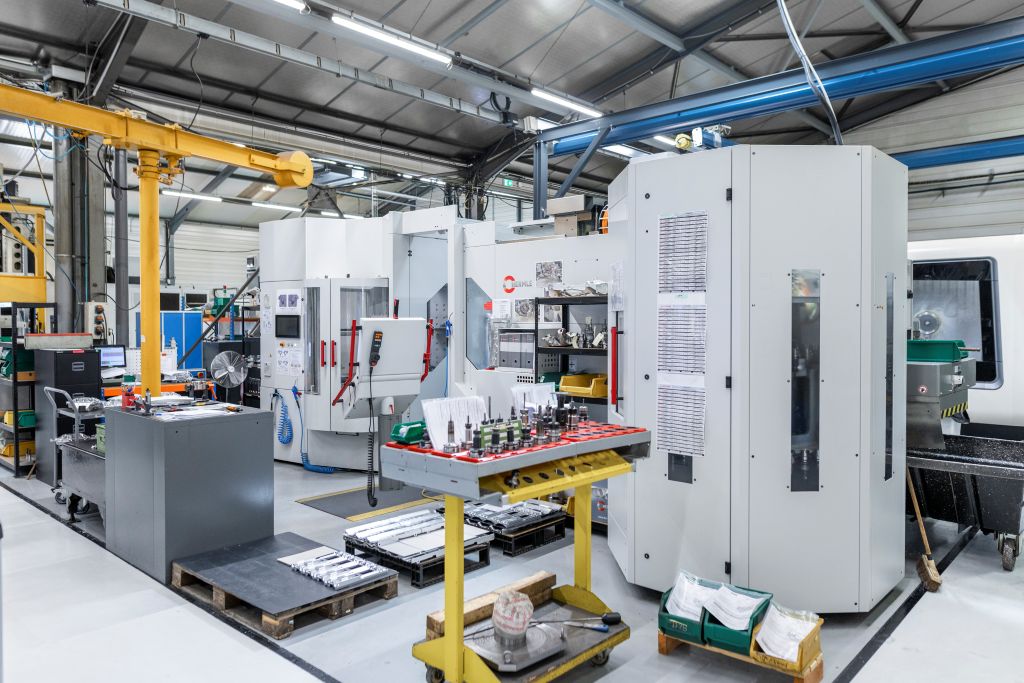
But then he remembered the EMO in Hanover, where he had seen the C 12 U with RS-Automation at the HERMLE booth two years earlier. Four drawers, compact design, a robot that turns night into day. Mathieu Peroche had immediately thought of which parts he could automate back then, but at that time he didn't need a new system. Now the right moment had come, and he inquired with HERMLE.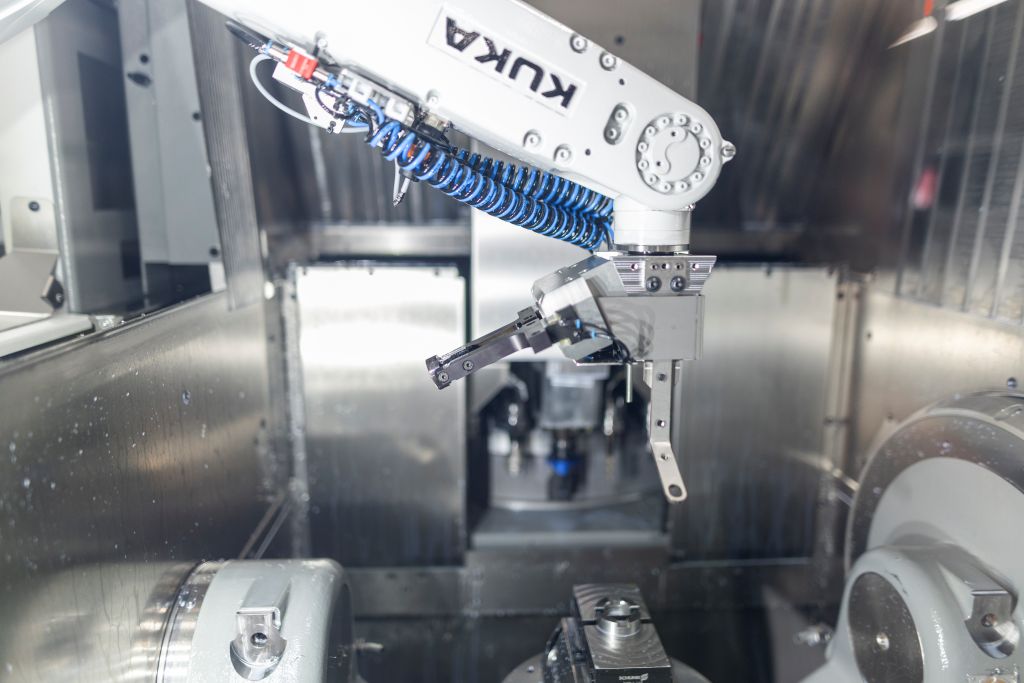
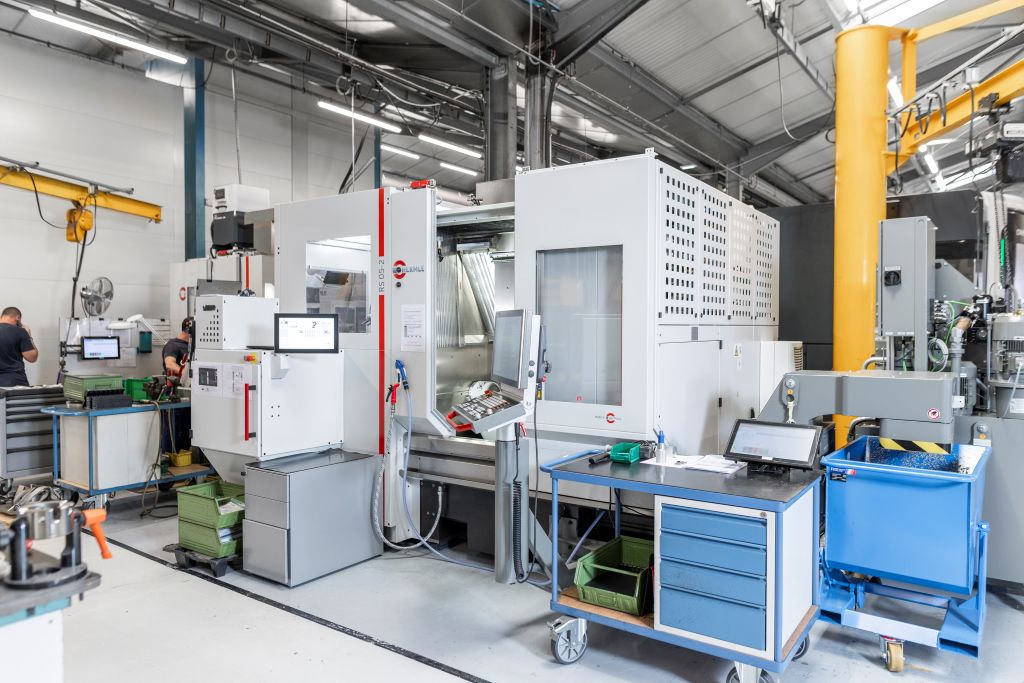
Jean-François Denis, CEO of HERMLE France, had just the right offer: a C 12 U with the adapted robot system RS 05-2, which was available for immediate delivery. Shortly after the phone call, Mathieu Peroche was in a car with two colleagues. Their destination: Gosheim. Within 48 hours, they configured the robot system together with HERMLE experts to optimally meet their needs. Two weeks after the first call, the order was placed.
The budget had increased significantly due to the integration of automation. "Opportunities rarely come twice – so I had to seize it," says Mathieu Peroche.
Tradition meets high-tech
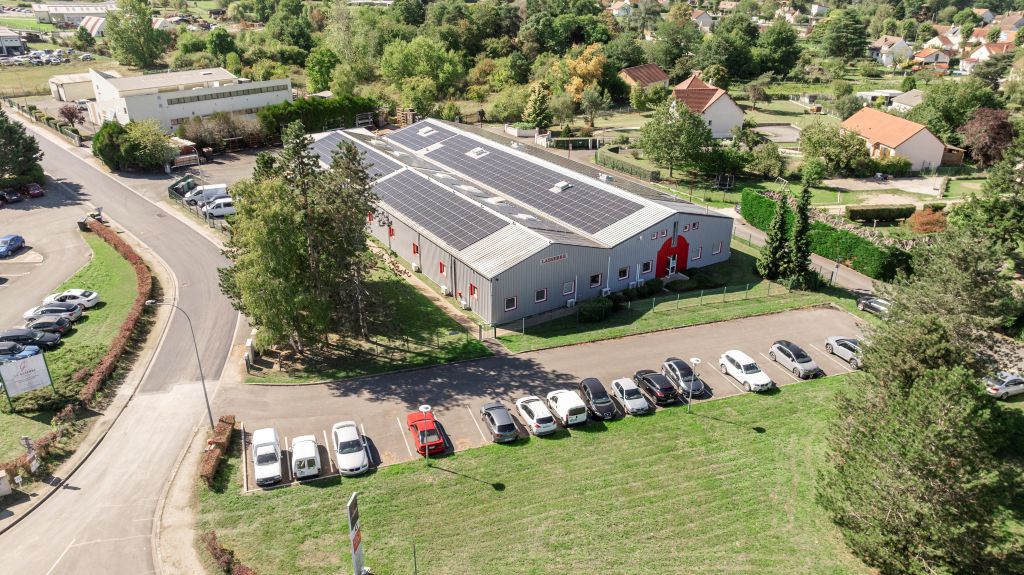
Lasserre was founded in 1947 in Méreau in the Cher department, Centre-Val de Loire region. With its 37 employees, the company specializes in precision mechanics and machining complex workpieces, generating an annual turnover of around seven million euros. The company's focus areas are in defense, automotive, and aerospace, along with clients from the railway and energy sectors.
In addition to aluminum, Lasserre also machines steels, titanium, bronze, and plastics. One third of the components are prototypes and developments, two thirds are small series of up to 500 pieces that are regularly repeated. The machine park includes twelve machining centers and nine multi-axis lathes, among others.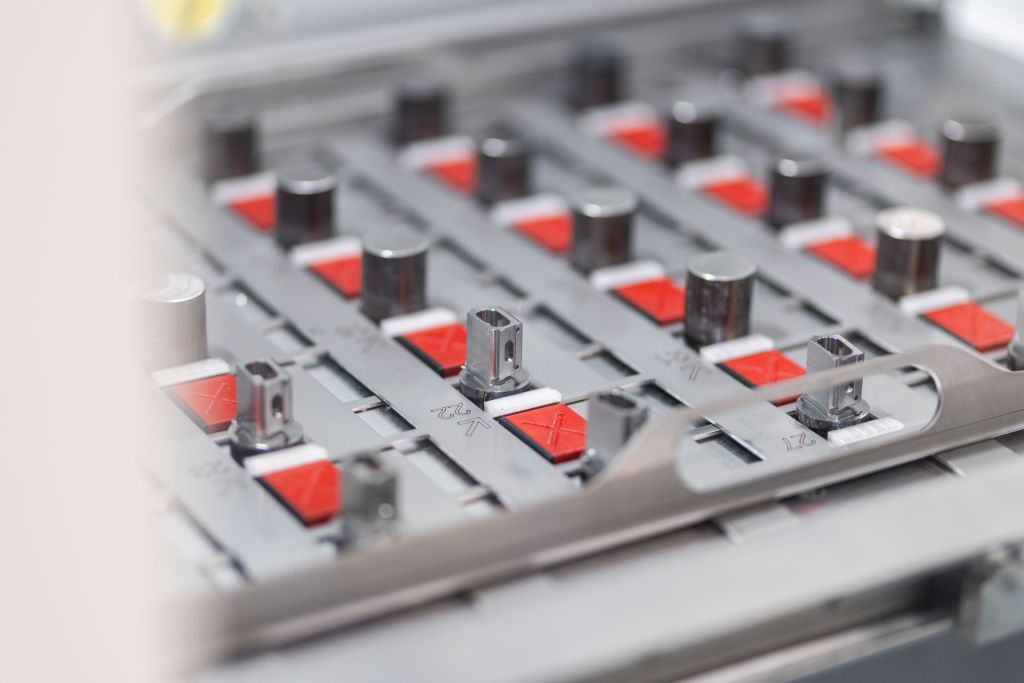
Mathieu Peroche took over the company in 2021. He knows the company from all perspectives: first engineering, then sales, finally ten years in management. Since then, the boss has consistently aligned the company with modern manufacturing processes and digitization. The process is not yet complete, but anyone walking through the hall today sees a different picture than five years ago.
When reliability becomes the benchmark
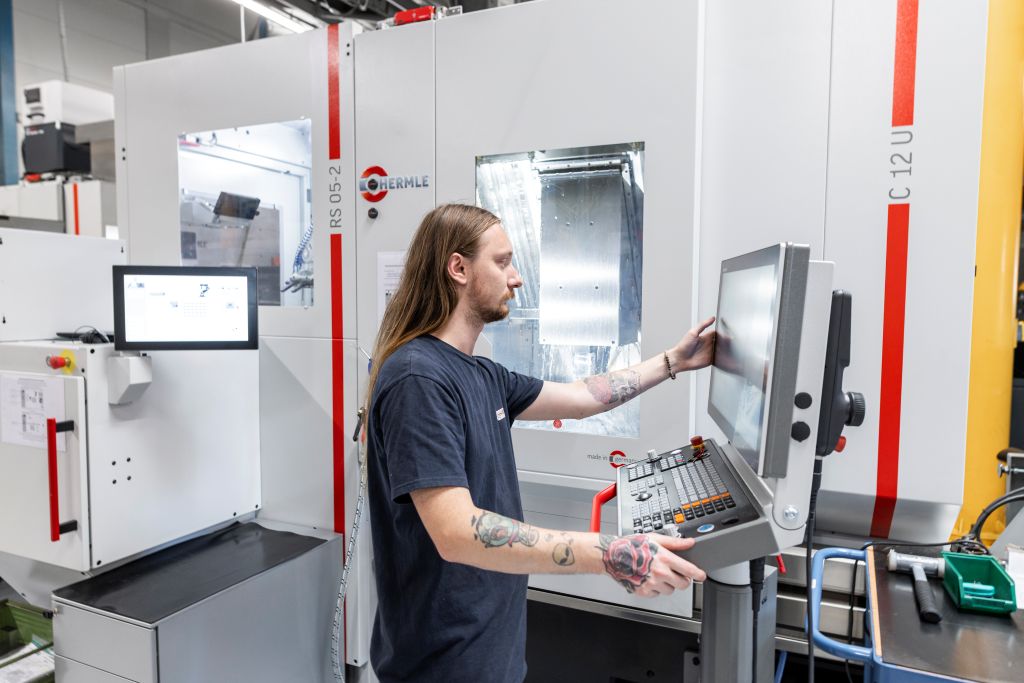
The quick decision for a new machining center with its integrated robot system from HERMLE was also made because Lasserre had already gained experience with such an automation solution: A C 400 U with the adapted handling system HS flex has been machining workpieces with diameters of up to 650 millimeters since 2022 – fully automatically thanks to the pallet changer. Another brand was also in the running at that time, with the machines priced almost equally.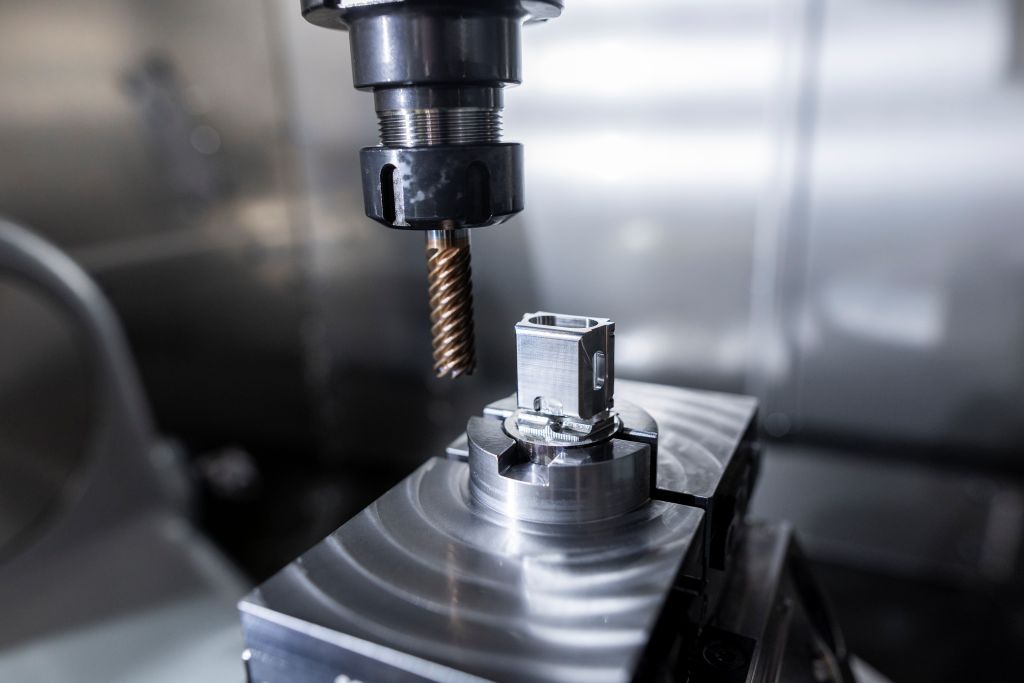
"What made the difference was the quality of the workpieces," explains the managing director. "The precision and repeat accuracy of the Gosheim machining centers is unmatched." Another advantage: At HERMLE, automation and machining work perfectly together. "While other manufacturers work with external service providers, everything at HERMLE is made from a single cast. There is only one contact person. The system has been running smoothly and absolutely reliably for three years," says Mathieu Peroche.
The HS flex is equipped with a nine-fold and a six-fold storage system. "This allows us to bridge the night and the weekend well."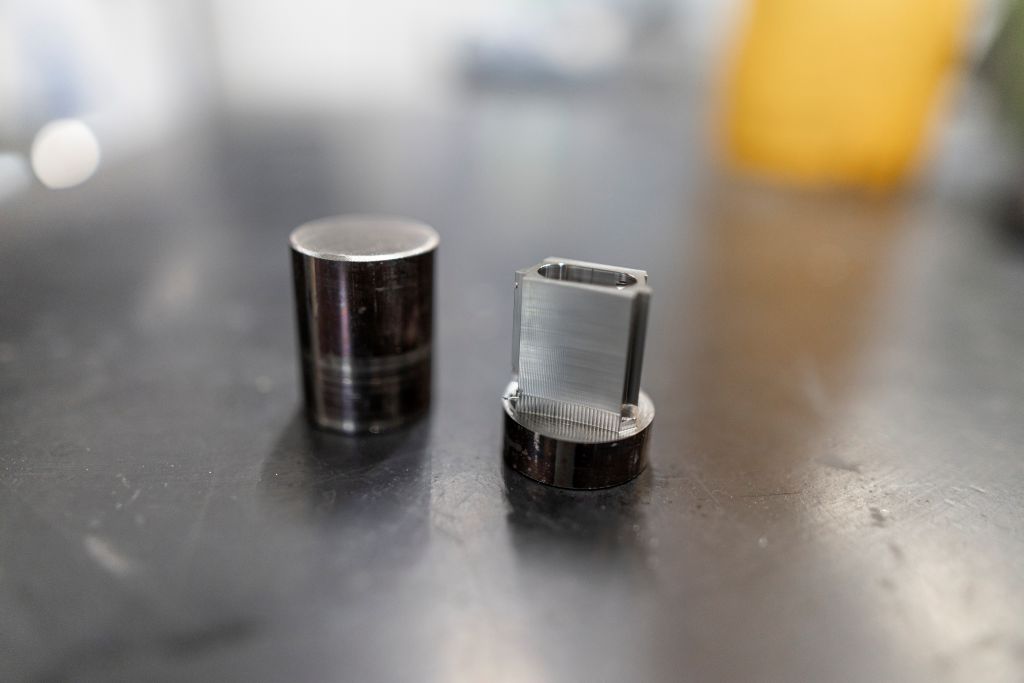
With the new robot system, he was also convinced by the control architecture: The robot controls the machining center, not the other way around. The process is fluid, and the user interface is intuitive. "The employees don't have to check every five minutes what the machine is doing," he emphasizes. The C 12 U is still too new for a final assessment, but the potential is recognizable. Parts that were previously uneconomical can now be produced profitably. Example: a machining time of ten to fifteen minutes.
"Previously, this constantly tied up an employee who had to be ready to change the parts," explains the managing director. The time and comfort gain is measurable – in time that remains for more demanding tasks.
Downtime was yesterday
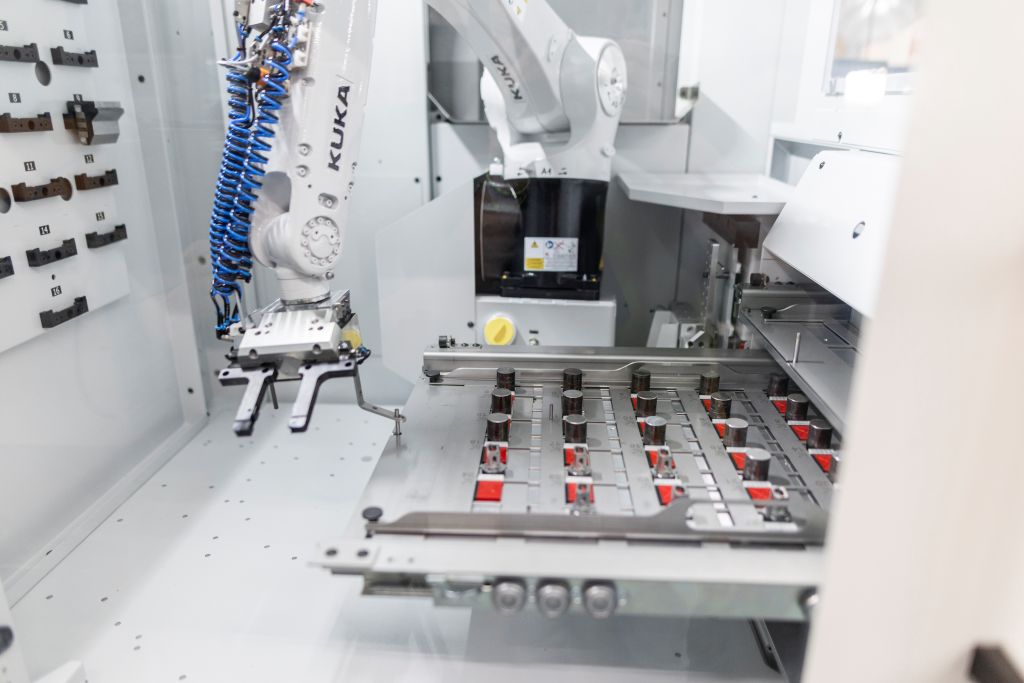
The four drawers – three for workpieces up to 90 millimeters, one for up to 110 millimeters – provide enough space to prepare sufficient raw parts for the night and the weekend. "We work in three shifts, but at night there are only three people in the company who take care of 20 machines," says Mathieu Peroche.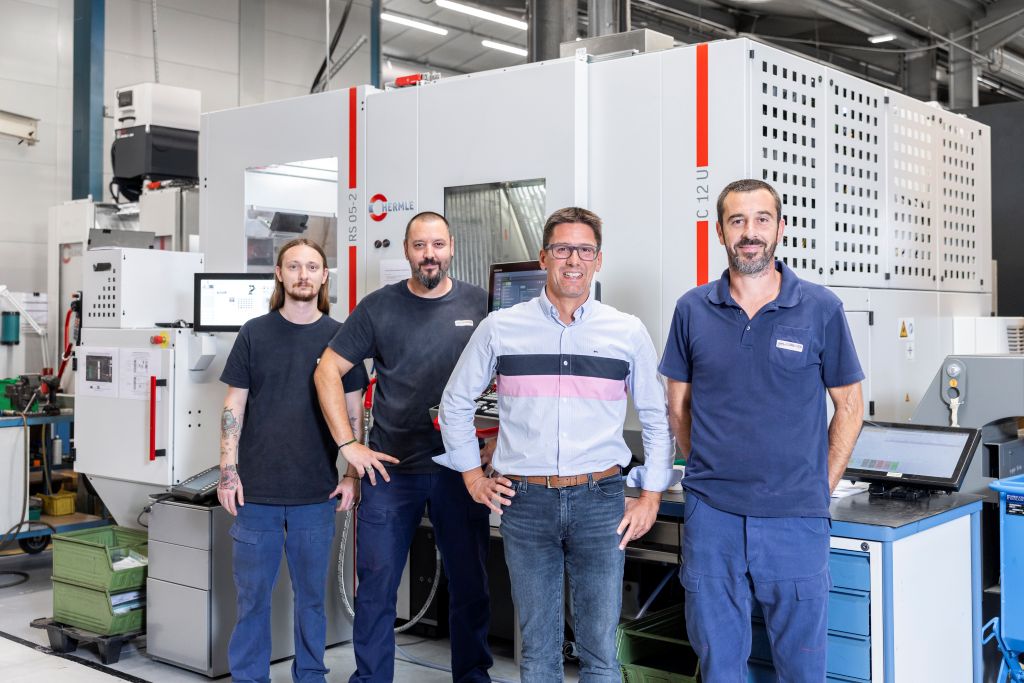
The milling team uses the day shift to optimize processes. The specialists improve milling strategies to shorten tool paths and extend tool life. They work on the cutting data, thereby reducing processing time and tool load. In the evening, they load the machine, which runs until the next morning. One challenge remains: Not every part is suitable for unattended machining.
Some require intermediate checks, where an operator must stop the machine. The art lies in defining workpieces that can be manufactured without inspection.
Shorter run times, motivated people
A side effect particularly interested Mathieu Peroche: The processing time of a recurring component decreased on the C 12 U from 22 to 18 minutes. Not only thanks to better programs but also due to the more compact design of the machine. "The travel paths are shorter, the tools are closer and therefore more stable. This saves us 18 percent of the runtime on each part," emphasizes the owner. "All in all, it adds up significantly."
He believes that automation is not only good for the company's productivity but also for the workforce. "Our skilled workers enjoy challenging and appreciated work, which is of course better paid. This allows us to inspire the next generation and attract new people. The overall package is right." For the boss, this is an important argument and a clear recruiting advantage: "The fact that we are modernizing and automating the company is particularly well received by the younger generation."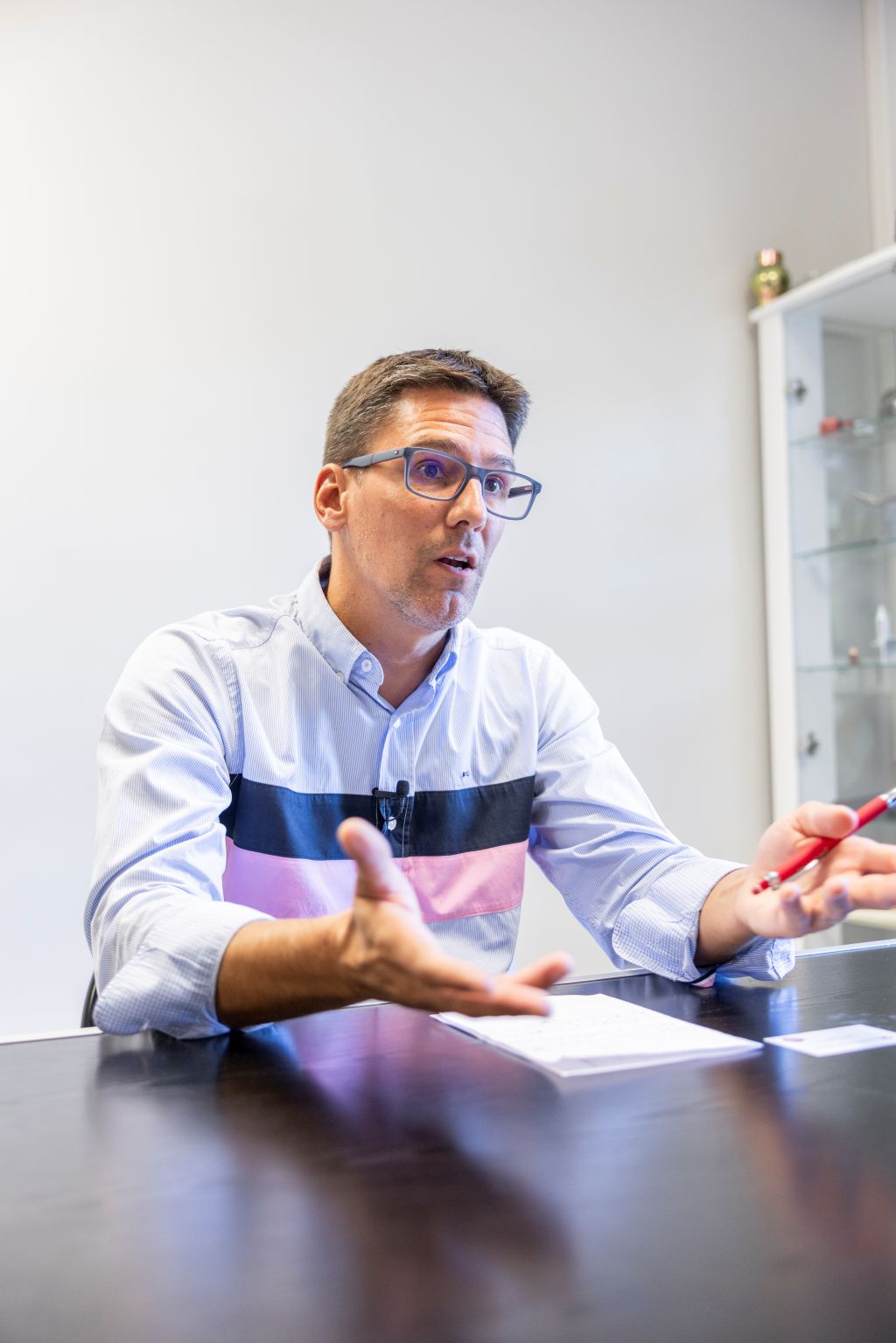
The calculation works out
The investment was significantly higher than originally planned, but the managing director is very satisfied. "It was a fortunate circumstance: suitable machine, good price, early delivery date. So the decision was not difficult for me." The strategy is clear: further automation, even with the lathes. "That is the future," says Mathieu Peroche, "especially in connection with the shortage of training and personnel." Therefore, he wants to continue the strategy he started three years ago. Today, four out of 24 machines are automated. That is still not enough for him: "Once the course is changed, there is no turning back," he knows. "I would probably not buy a machine without automation anymore."
Contact: