
Rising carbide costs and delivery difficulties have been putting pressure on manufacturers of cutting tools and precision components for some time. When carbide becomes more expensive and availability is critical, every blank, every grinding cycle, and every machine hour increasingly affects production costs. Therefore, many companies are shifting their focus from pure output to the cost of each sellable tool. Key factors include shorter cycle times, controlled material removal, less scrap and rework, higher machine utilization, and better use of existing equipment.
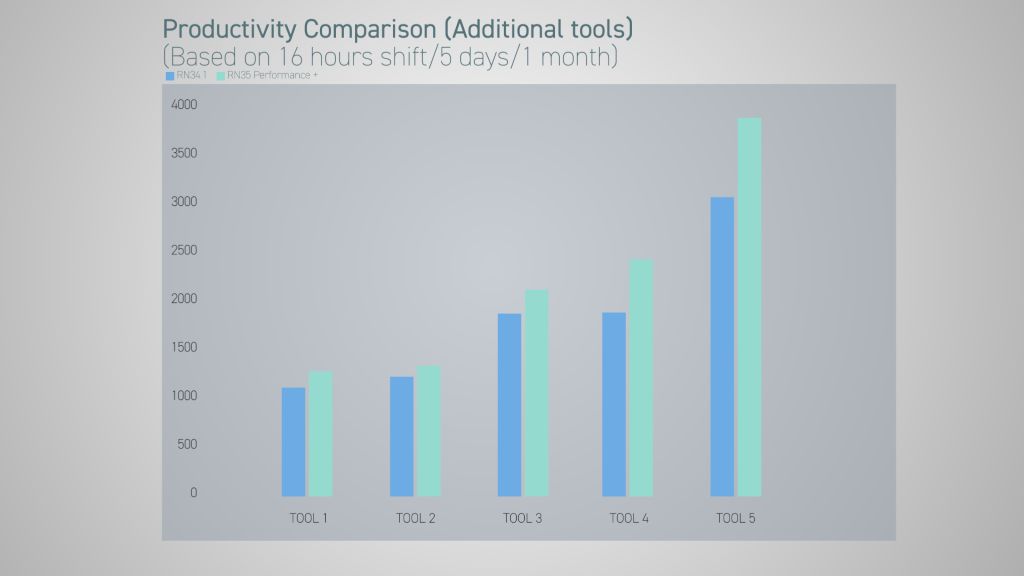
ANCA supports this approach with new options for CNC grinding machines, software innovations, the application package 'Performance+' with feedrate optimization, process control, advanced measurement systems, automation, and application expertise. The goal: to convert carbide, machine time, and operator input more efficiently into finished precision tools.
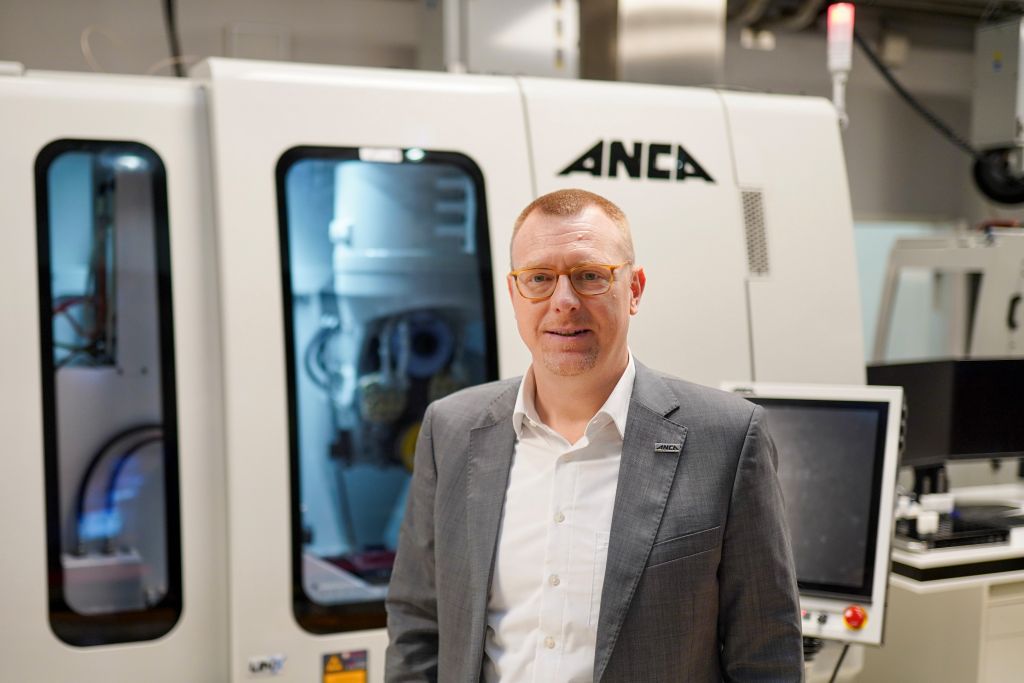
'Higher carbide costs and uncertainty regarding raw material availability make controlled, efficient grinding more important,' says Martin Winterstein, Managing Director at ANCA Europe. 'With our current grinding software ToolRoom RN35 and Feedrate Optimization, we use process data to optimize feeds, make material removal more uniform, and reduce cycle times. For our customers, this directly impacts the cost per manufactured tool.'
More Output from Existing Production Resources
One focus is on reducing cycle time. When floor space, workforce, or investment resources are limited, manufacturers need to achieve more output from the machines already in production. ANCA's Performance+ program begins with a baseline analysis of the customer process. Based on this, ANCA's application experts identify optimization potentials with new features of the grinding software ToolRoom RN35. The feedrate optimization function allows for shorter cycle times while simultaneously optimizing the process. The recommendations may also include software settings, grinding strategies, hardware or consumable adjustments, as well as operator training. If the recommendations are implemented, Performance+ guarantees a cycle time reduction of at least 10%. Documented projects have also achieved significantly higher values.
In addition to shorter cycle times, feedrate optimization can support more stable grinding conditions by reducing unnecessary process fluctuations. In customer projects, this can lead to better feed control, lower spindle load, and fewer wheel dressings. This supports higher machine performance, shorter lead times, and lower production costs without necessarily requiring additional machines.
Reduce Scrap and Achieve Good Parts on the First Try
When carbide is expensive, the impact of trial grinding, rework, and scrap on costs increases. The quick path to good parts thus becomes an important component of cost control. ANCA supports this through simulation, measurement, and automatic compensation. CIM3D checks grinding paths and possible collisions before a tool is ground. ToolRoom RN35 supports programming and process control.
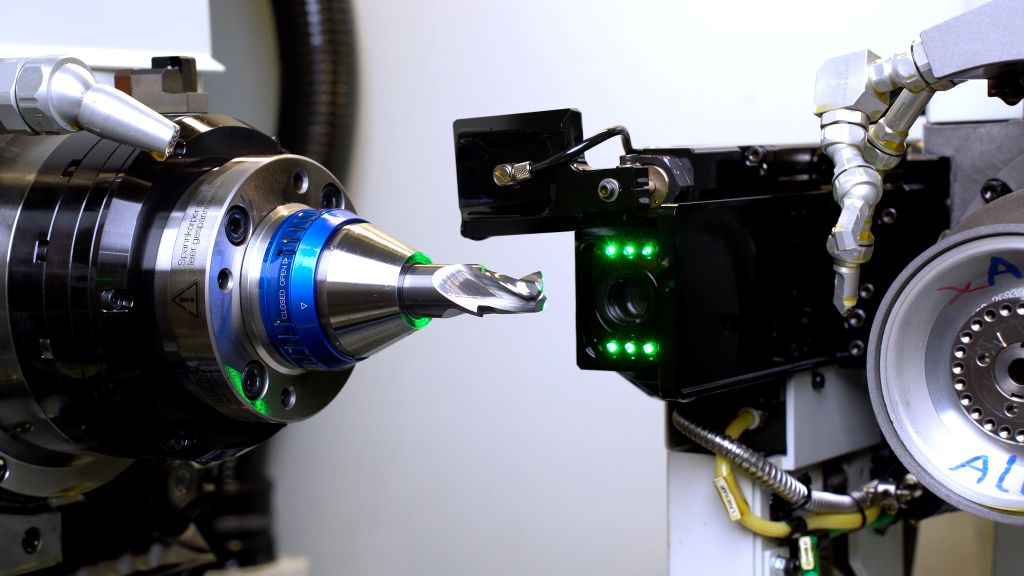
Integrated measuring and compensating with LaserUltra, Tool Runout Compensation, measuring probes, and the iView camera assist in setup and enable series production without intervention. These technologies also help ensure accuracy and repeatability across batches.
'First-Tool-Right production is a practical cost lever,' says Winterstein. 'When a manufacturer reduces test grindings, avoids rework, and stabilizes the process, they not only save machine hours. They also save carbide and labor time and gain delivery reliability.'
Regrinding: Maintaining Carbide Value Throughout the Tool Lifecycle
extend
Reconditioning used tools is a direct response to cost pressure and availability issues with carbide, as it extends the life of existing carbide tools. If geometry and coating are restored correctly, the lifespan of tools can be multiplied while simultaneously reducing the effective carbide costs per edge.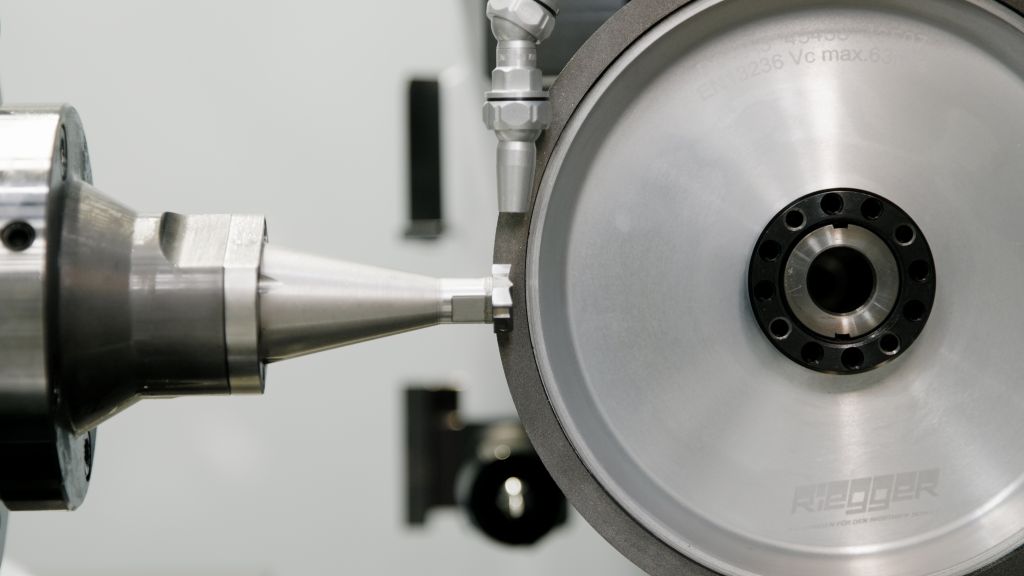
Depending on the tool type, geometry, and application, a typical regrind can cost about 30 to 40% of a new tool while delivering around 85 to 95% of the original tool performance, provided that geometry and coating are properly restored. Over several regrinding cycles, often up to three per tool, lifecycle costs can be reduced by up to 70% and carbide usage minimized.
ANCA supports regrinding through specialized software modules, RFID-based workflows, tool identification, and automated handling. RFID-based dynamic tool management links each tool holder with the appropriate tool file, grinding cycle, collet, and wheel package. This allows tools to be loaded in different sequences, reduces manual setup effort, and enables automatic regrinding of mixed batches. Different tools and priorities can thus be processed in a common workflow. In combination with automated software logic or process automation (ANCA Scripting), each scanned tool can trigger the correct grinding instructions and the appropriate handling sequence with minimal operator intervention. This makes the regrinding process better traceable and repeatable.
Flexibility as a Cost and Competitive Factor
Volatile carbide prices and changing order patterns also increase the pressure to avoid overproduction and high inventory levels. Manufacturers must handle smaller batch sizes, rush orders, and a wider range of tool types without increasing setup losses.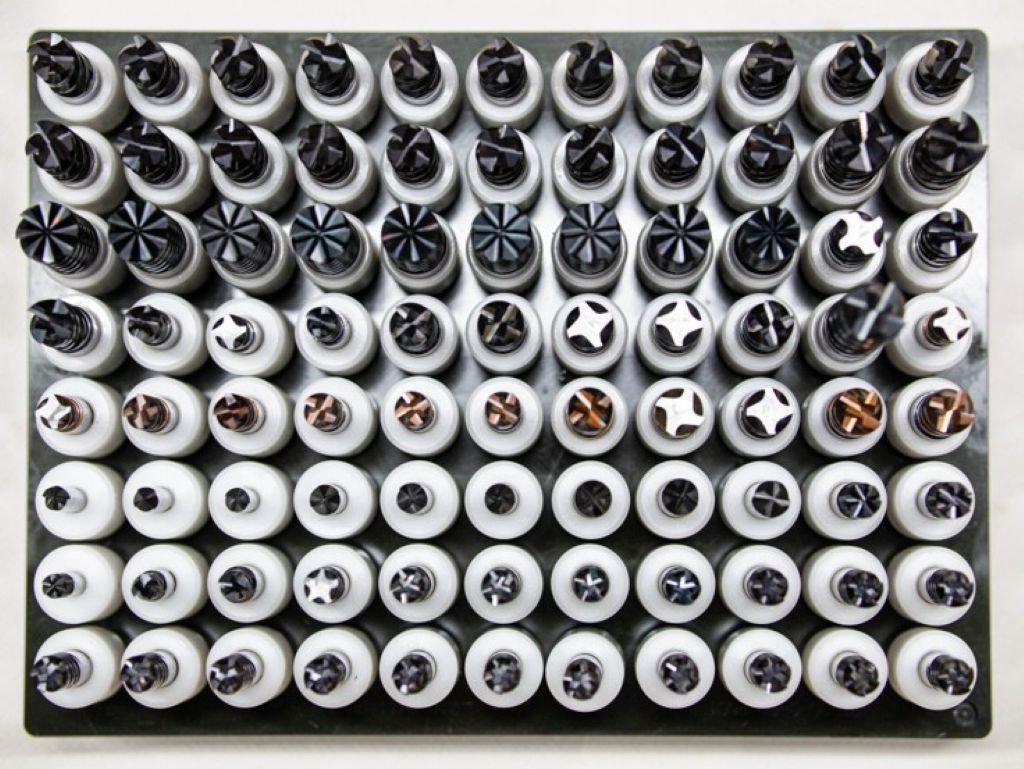
ANCA supports this with machines and software for shank tools, indexable inserts, profile tools, special tools, and precision components. Special software packages like InsertsPRO for grinding indexable inserts align the programming workflow with the application. This flexibility helps manufacturers utilize existing equipment for a broader range of applications, including standard and special tools, indexable inserts, and precision components. At the same time, the need to permanently reserve machines for narrowly defined production tasks decreases.
Improve Machine Utilization and Process Stability
Machine utilization remains a central factor for the cost per manufactured tool. Every downtime, every manual intervention, and every unplanned adjustment reduces output – which is particularly frustrating when labor and material costs are already critical.
ANCA technologies such as in-process measurement, closed-loop automatic compensation (AutoComp), motor temperature control, auto-stick dressing, wheel balancing, robot loaders, and pallet automation reduce non-productive time and stabilize production.
The AIMS ecosystem complements digital workflow control, inventory connectivity, autonomous pallet transfer, process instructions, and production transparency. Reference applications demonstrated 19 days of unattended autonomous operation, a productivity increase of over 30% compared to a manual benchmark, and up to 60% labor savings per machine.
For manufacturers, these results are relevant as they address both machine utilization and workforce deployment. Automation can also relieve qualified operators: they can focus more on process control, programming, and quality rather than performing repetitive handling tasks.
Integrated Efficiency Instead of a Single Upgrade
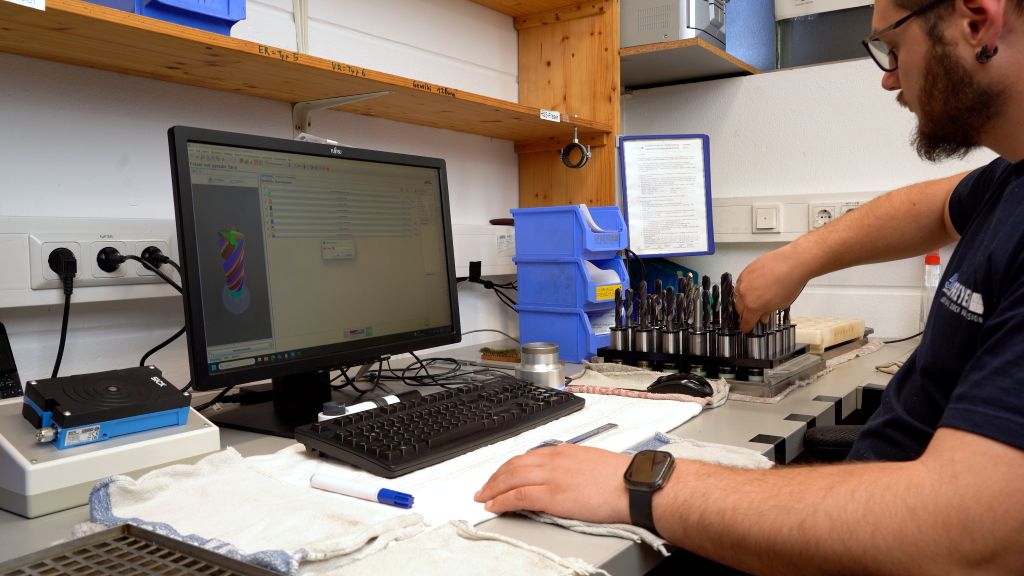
ANCA's approach is not based on an isolated product or a single function. It connects machine capability, software, measurement, automation, process analysis, and training.
The machine provides the grinding platform. Software supports programming and feed control. Measurement and compensation technologies ensure quality. Automation improves utilization and workflow stability. Performance+ complements a structured method to analyze processes and identify concrete improvements.
For tool manufacturers and manufacturers of precision components facing carbide cost pressure, this integrated approach can reduce waste, shorten cycle times, increase flexibility, and make better use of already installed systems.
"Customers are looking for measures that can be implemented in their existing production environment," says Winterstein. "Feed optimization directly addresses the grinding cycle, while regrinding extends the value of the carbide tool over its lifecycle. Together with measurement and automation, these are practical steps to reduce costs per manufactured tool."
Contact: