
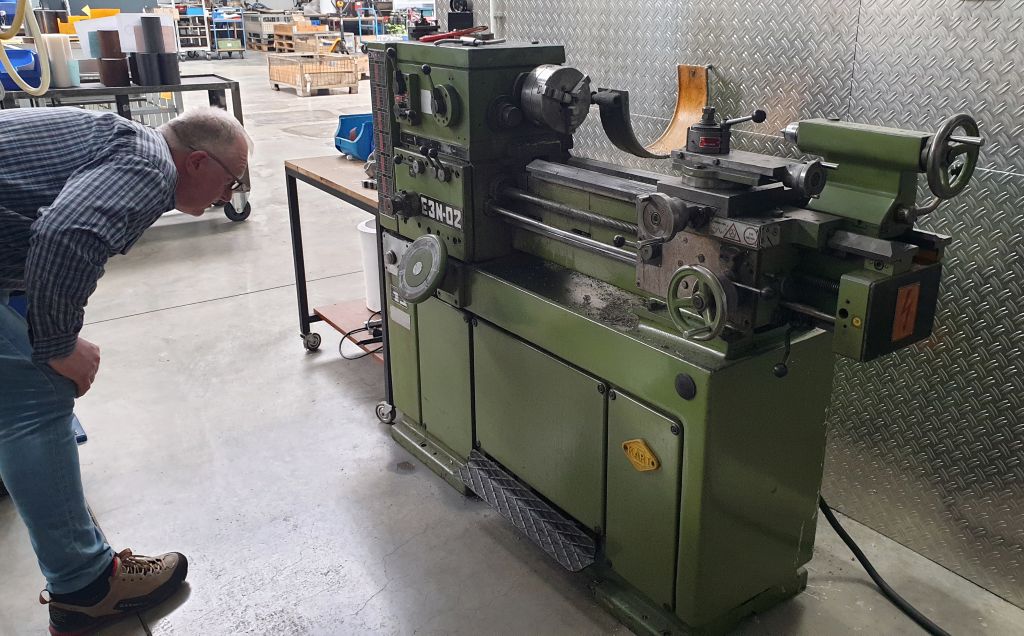
Harry Reichstein completed his training as a toolmaker at Siemens in Redwitz. After finishing this training, he worked in prototype construction for automotive parts, where air conditioning systems, heating systems, and control devices were manufactured at that time. His professional experiences benefited him when he initially started his own business part-time and later full-time. The foundation consisted of a lathe, a milling machine, and a copy milling machine with a pantograph, which he acquired for a total of 10,500 DM at a bankruptcy auction.
Through pure word-of-mouth, the young company received numerous orders, enabling it to develop well and achieve solid growth.
From the garage, it became a small workshop, and finally, the hall of a former basket-making factory had to be rented to produce at two locations. In 2018, HaRei then moved into a newly built hall with a production area of 2,600 square meters. The company now employs a dozen staff.
Wide customer base
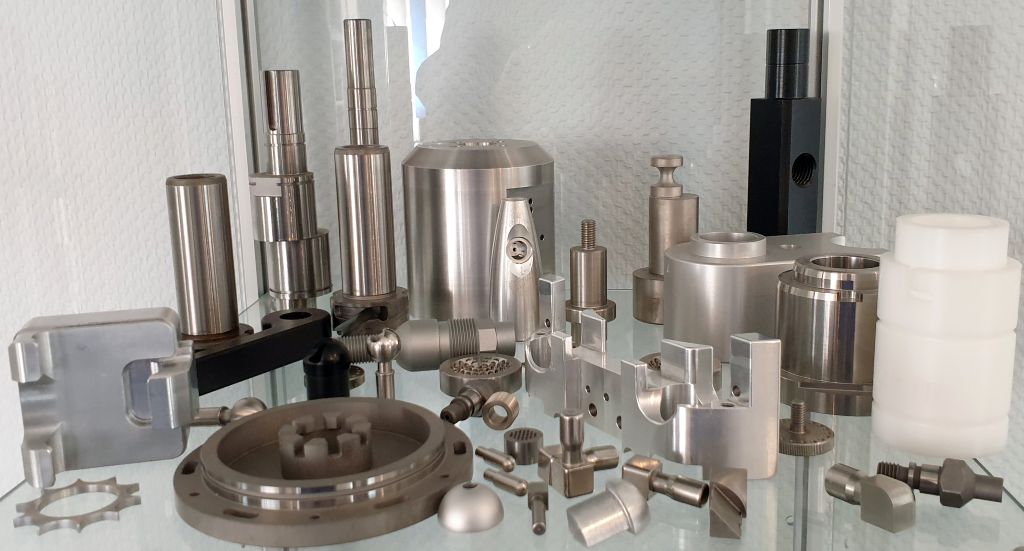
At times, the company produced a large number of components for a manufacturer of machines for metallic 3D printing from Lichtenfels. Today, a wide customer base from various industries is served, including general mechanical engineering, special machine construction, tool manufacturing, as well as the food and toy industries. HaRei has also supported the development of new sports equipment with prototypes, including runners for bobsleds, ski bindings, or chassis technology for bicycles.
HaRei is also active in the glass industry. This includes processing molds and grippers for handling bottles, as well as cutting systems for flat glass used in digital cameras, smartphones, and other end products. Another customer manufactures telescopic masts for various applications. THW and fire departments equip the masts with lamps to illuminate danger spots, while for military applications, they are fitted with cameras. Accordingly, the precision required for the components varies greatly. When it matters, HaRei maintains tolerances of up to 5 µm.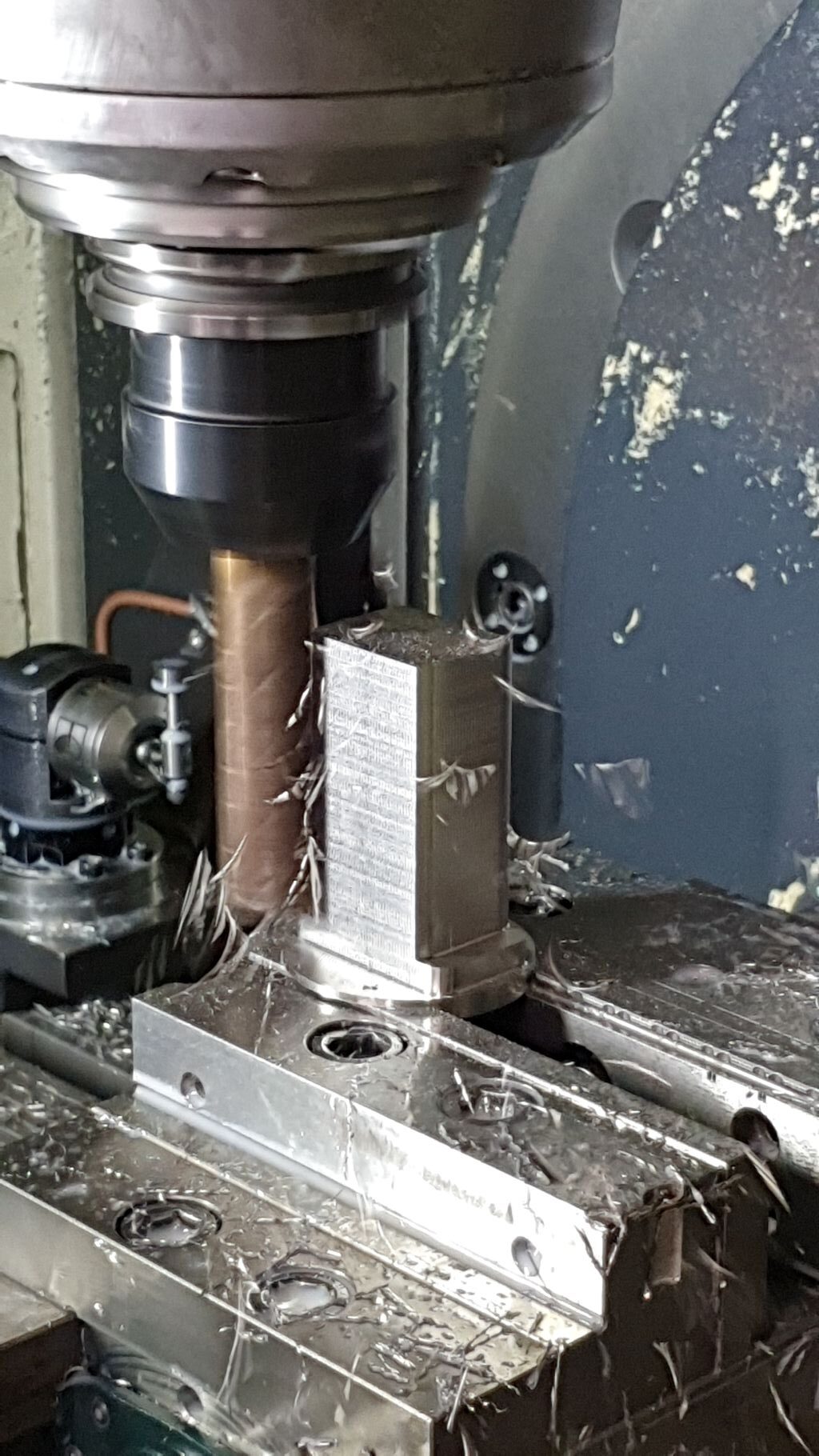
Very little is intended for the automotive industry. On behalf of a supplier, the company from Redwitz is currently milling entry strips of a vehicle for a military special version. The quantity of 5,000 strips in six versions is so low that it is not worthwhile for the supplier to produce the variant themselves. For HaRei, however, that is already a lot of parts. 'We also do series of 1,000 pieces and more, but typical batch sizes for us are between 1 and 200 pieces,' explains Harry Reichstein. 'With higher quantities, we are at a disadvantage compared to real series manufacturers.' The machinery, which essentially consists of nine machining centers, an automated turning-milling center, and four CNC lathes, is designed for the production of smaller series. All common materials from plastics to non-ferrous metals to tool steel are processed.
Same consultant, new tools
Through technical consultant Siegfried Bayer, HaRei came to the tool manufacturer INGERSOLL just over a year ago. The contact with Bayer has existed for about 15 years; he was previously employed by a tool dealer. The relationship has become closer over the years, as Reichstein reports: 'When I have a problem, I call Siggi and get advice on the required materials and processing. It just fits.'
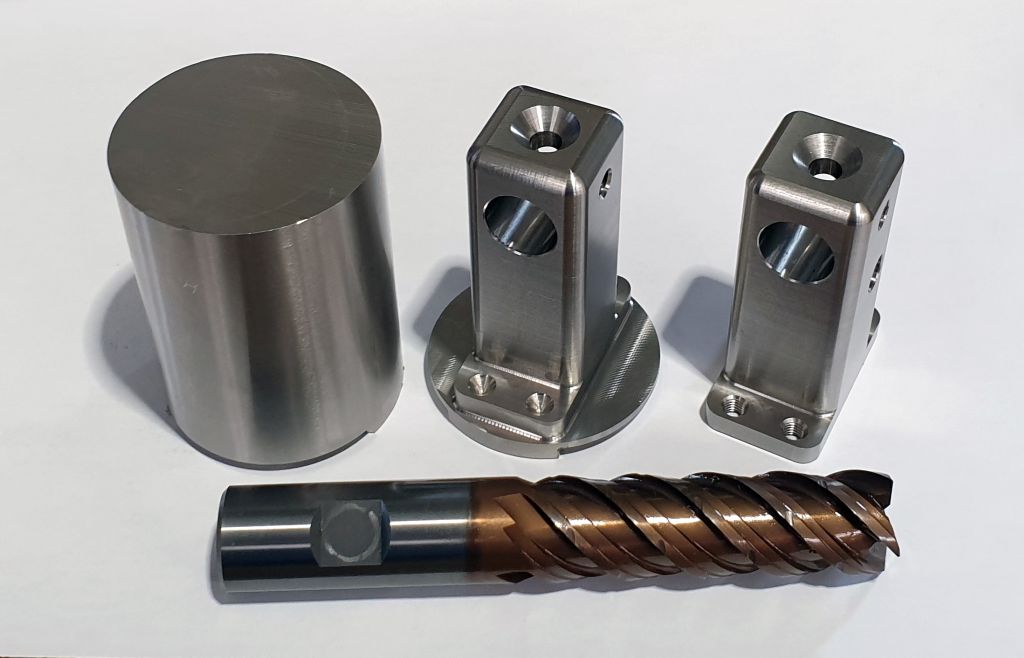
Thanks to Bayer's commitment, tools at HaRei were gradually replaced and replaced with more powerful models from INGERSOLL. It started with solid carbide milling cutters, followed by face mills, corner mills, high-feed milling cutters, and various indexable inserts. Reichstein is just as satisfied with the new tools as he is with the associated consulting. The latest addition is a solid carbide milling cutter from the SplitLine series of INGERSOLL with HPC geometry and chip breaker.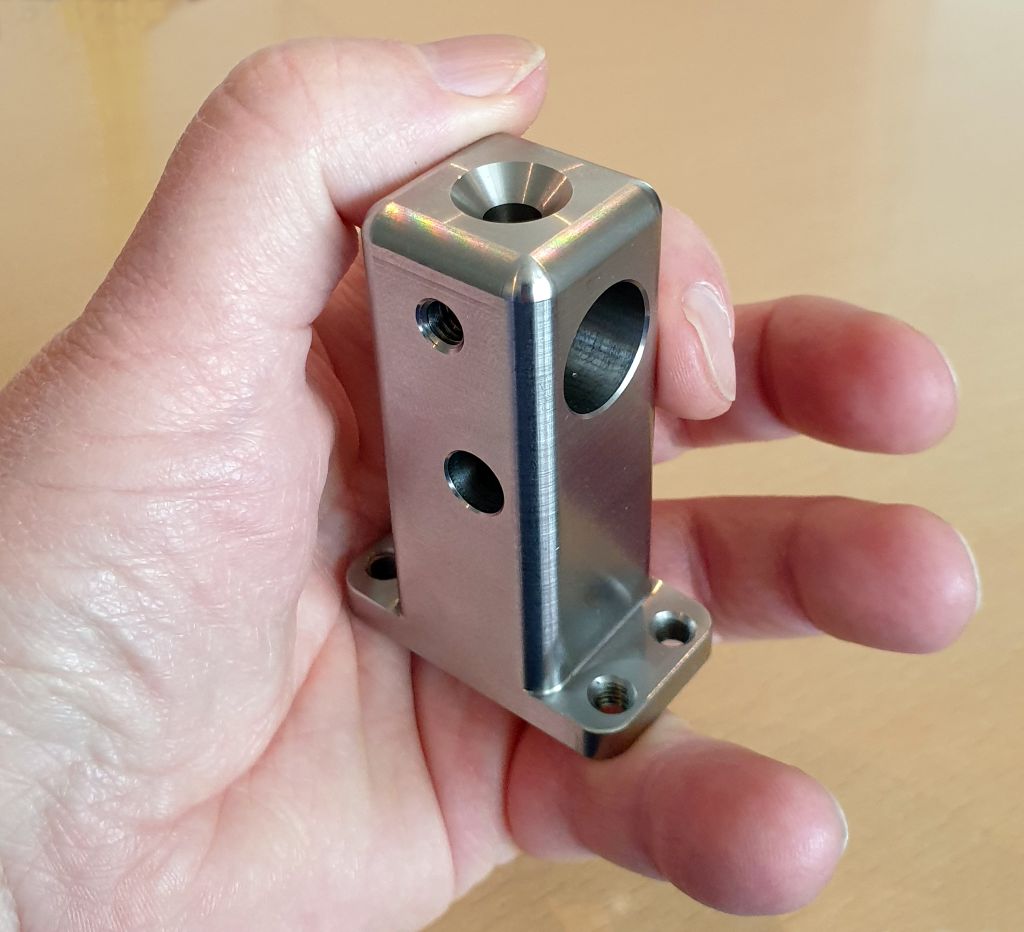
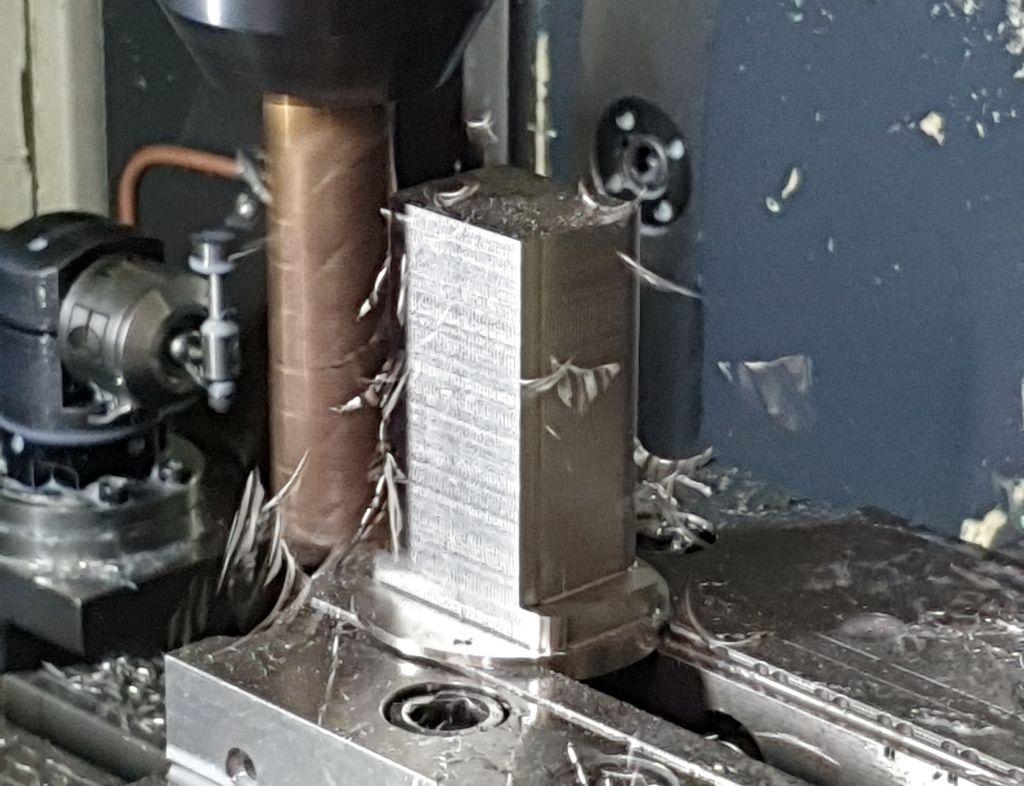
Once again, this was based on a request for help from Redwitz. It was about a small cubic component made of stainless steel, for which HaRei used round bar material for cost reasons. For an Austrian company that manufactures welding machines for roofers, HaRei has produced different quantities of this part several times over the past eight years. The previous batches were always produced on a turning-milling center CLX 450 TC from DMG. The corner dimension was turned to size, and the side surfaces were subsequently milled.
Milling instead of turning
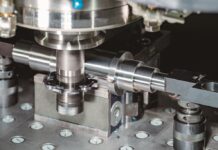
When a new order for 250 of these parts came in, the turning-milling center was not available because it was needed for other workpieces. To avoid the bottleneck, it was decided to switch to the DMG DMU 50 and to mill the components completely instead of turning them. For this, the bar material had to be initially sawed into suitable blanks and then processed in two setups. What sounded like a reasonable alternative in theory posed problems in practice. With the initially used cutter head, production took too long and was not productive.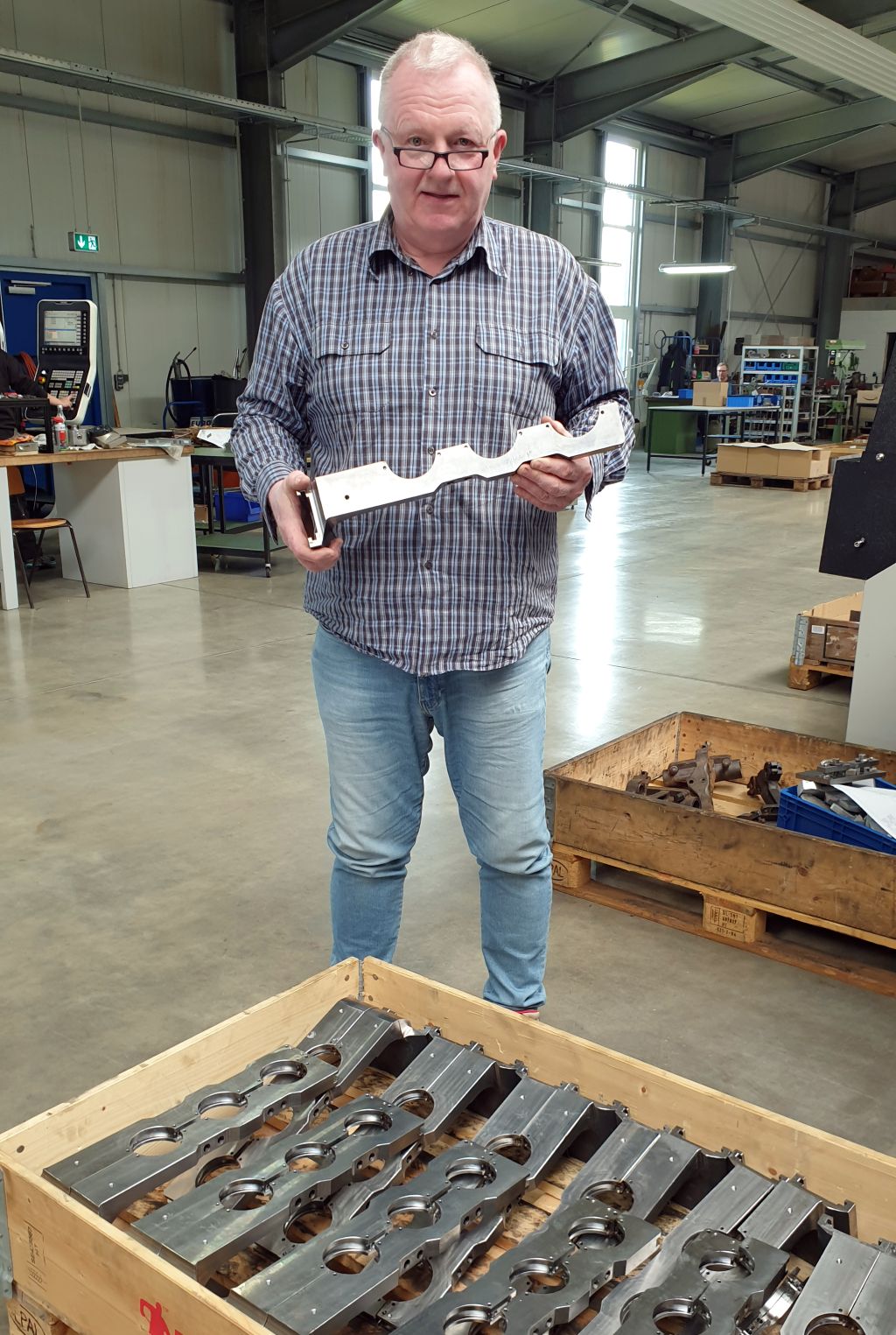
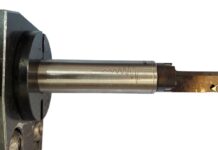
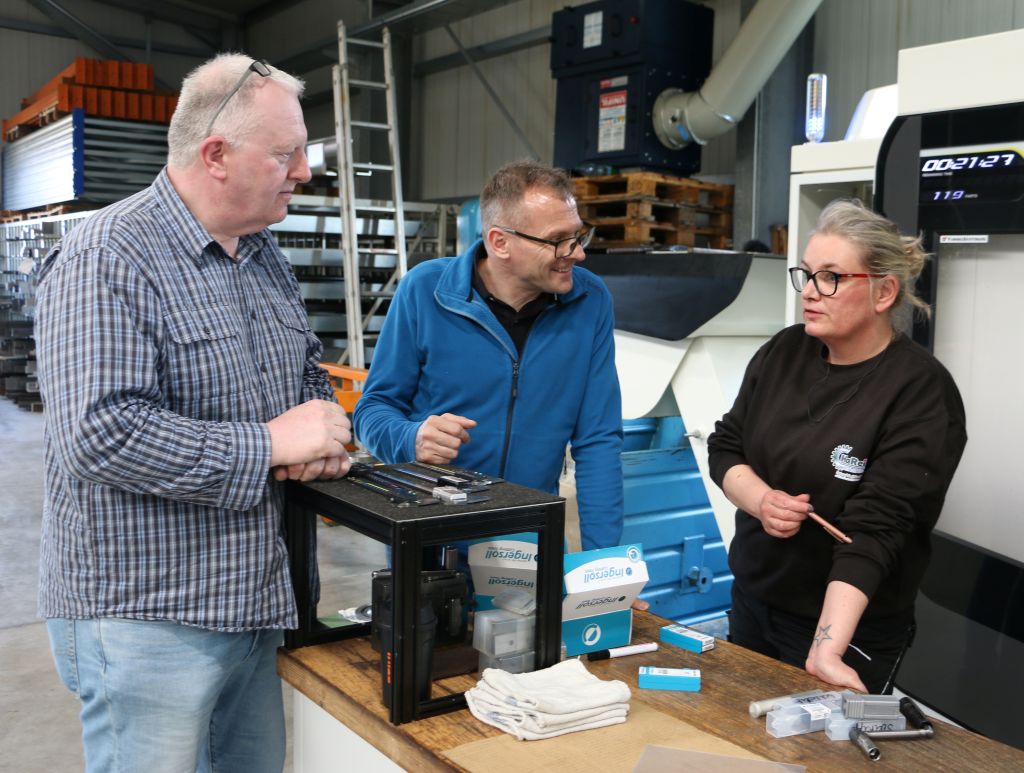
With a length of 3xD and a diameter of 20 mm, the cutter introduced by Bayer was a perfect fit for the component. INGERSOLL offers the coated solid carbide cutters with chip removal grooves for the highest material removal rates. The very first test was successful. 'With the recommended cutting values, it worked great right away, and we were able to really push it,' reports Harry Reichstein. Excited about the processing times achieved, machinist Bianca Fischer wanted to order a higher quantity of 10 to 15 tools to complete the order. Her boss held her back and was right: For the 250 parts, one cutter for roughing and a second for finishing were sufficient. In the end, there was hardly any noticeable wear on the tools.
Reichstein expects that more follow-up orders for this component will come. They will again be manufactured on the turning-milling center whenever possible, as the processing can be done from the bar without an operator. The milling work should also be carried out here with the SplitLine cutter.
Contact: