
Milling is a machining method that originated in the 18th century and is now one of the most important machining technologies. Meanwhile, the demand for higher productivity, greater precision, and more sustainability is driving technological developments in milling. The new challenges require innovative solutions – such as the precision tools from ISCAR.
Milling machines are indispensable in workshops. The process is an integral part of machining technology, whose significance is increasing due to the constantly changing demands in manufacturing. For example, the accuracy of metal forming has significantly increased due to technologies such as precision fine machining and forging. However, 3D printing processes or new composite and sintered materials also require adapted processes.
Machinists are in demand: They must increase productivity when machining difficult-to-cut superalloys and titanium grades, and further optimization measures are necessary due to the strong focus on electric and hybrid vehicles in the automotive industry. Furthermore, multi-axis machine tools enable the precise machining of complex parts, and new machining strategies increase productivity. Modern processes can also significantly reduce the amount of raw material required for milling, while the demands for surface quality and accuracy are increasing.
Developments and approaches
Among the most important developments in milling tools are high-speed machining and precision milling, as well as multi-axis, adaptive, and sustainable milling.
In high-speed machining, the focus is on increasing the material removal rate (MRR) to achieve higher productivity through significantly faster cutting speeds or more feed per tooth. Users achieve this through high-speed milling (HSM) and high-feed milling (HFM) during roughing. In precision milling, high accuracy is the focus.
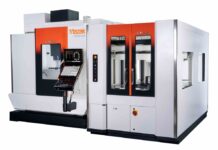
In multi-axis milling, appropriately equipped machining centers are used, allowing for complex processes. The goal of adaptive milling is to develop intelligent systems that can adapt to changing conditions during the machining process. Sustainable milling aims to reduce environmental impacts. This includes the development of environmentally friendly cutting fluids, recycling, reusing materials, and using energy-efficient machine tools and milling cutters.
Coordinated components
The success of all developments in milling relies on a synergy of machine tools, cutting tools, and computer-aided design systems (CAE). For example, high-speed milling requires machines that deliver high speeds as well as tools made from advanced cutting materials and with innovative coatings. At the same time, more precise milling processes require not only tools with lower tolerances but also improved control systems and drives.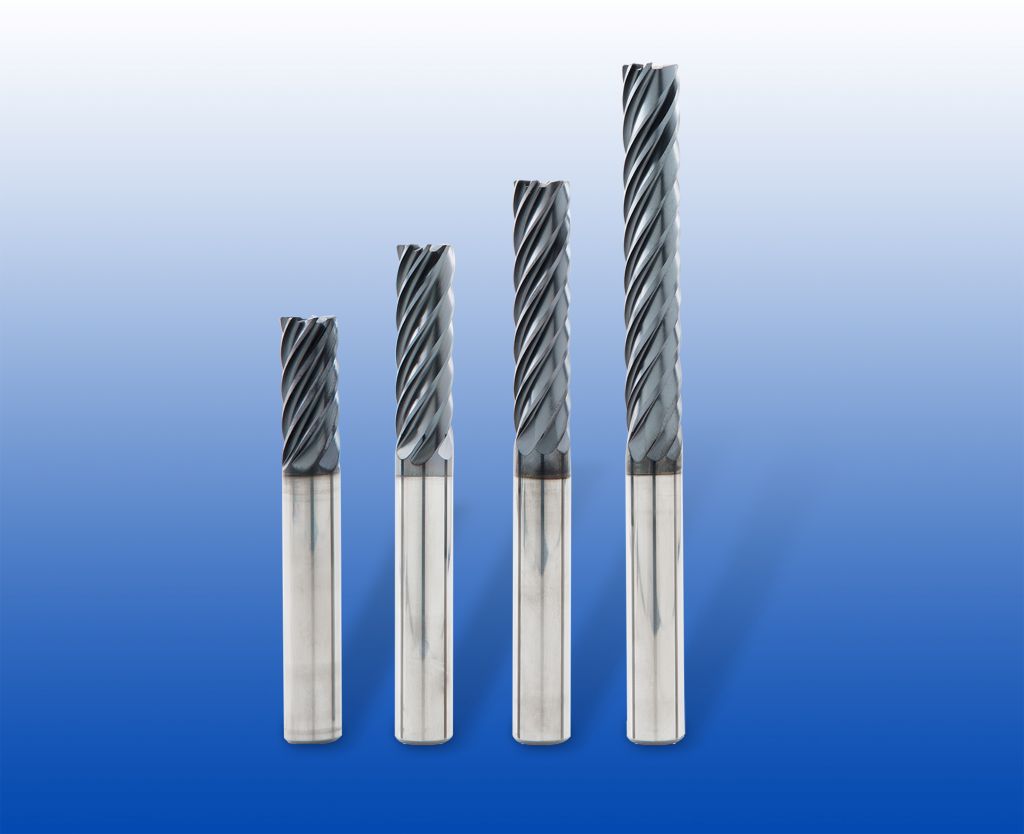
In multi-axis milling, optimally controlled axes and the appropriate cutting geometries of the milling tools ensure breakthroughs. Adaptive milling includes innovations such as modern monitoring systems, highly sensitive sensors, and efficient algorithms that optimize cutting data and tool paths in real-time. Sustainable milling is enhanced by the use of energy-efficient processes, suitable machine tools, adapted cutting tools, and environmentally friendly coolants.
Replaceable cutting inserts
When milling, users often rely on tools with replaceable cutting inserts (WSP), whose cutting materials are constantly evolving. New carbide grades, ceramics, and ultra-hard cutting materials are leading to ever better results in machining.
New coatings improve wear and heat resistance while also increasing lubricity. With modern cutting geometries, the chip formation topology of the cutting inserts can be optimized. This improves cutting action and chip flow during milling, and also reduces cutting forces. The effective use of the cutting material involves an intelligent insert design that offers maximum cutting performance without reducing machining efficiency.
Smart Manufacturing
The focus on Smart Manufacturing requires designers to integrate digitalization into the design of milling processes and tools. Digital twins and corresponding software applications are already a must for a comprehensive tool offering. How manufacturers of cutting tools are addressing the emerging challenges is demonstrated by ISCAR's solutions.
Grooves, pockets, cavities
In trochoidal high-speed milling, the tool follows a curved path to maintain a constant load on the cutting edge. Sudden load spikes upon material entry are avoided. This strategy is very efficient for milling deep grooves, pockets, and cavities, especially in cases of low machining stability. Furthermore, the process delivers very good results when machining demanding workpiece materials such as alloyed steels or highly heat-resistant superalloys.
Specifically for trochoidal milling, ISCAR has developed the CHATTERFREE EC-E7/H7-CF product line for multi-edged solid carbide (VHM) milling cutters. The geometric design of the tools includes different spiral angles and variable pitch angles that improve dynamic cutting behavior.
Highly productive and effective
With modern machines, highly productive milling of aluminum alloys at extremely high spindle speeds of up to 33,000 revolutions per minute is possible. To meet this challenge, ISCAR has developed 90-degree milling cutters that can accommodate large-format WSP with a cutting depth of up to 22 millimeters. The cutters are designed to prevent radial displacement of the cutting insert, which can occur at very high speeds due to high centrifugal forces.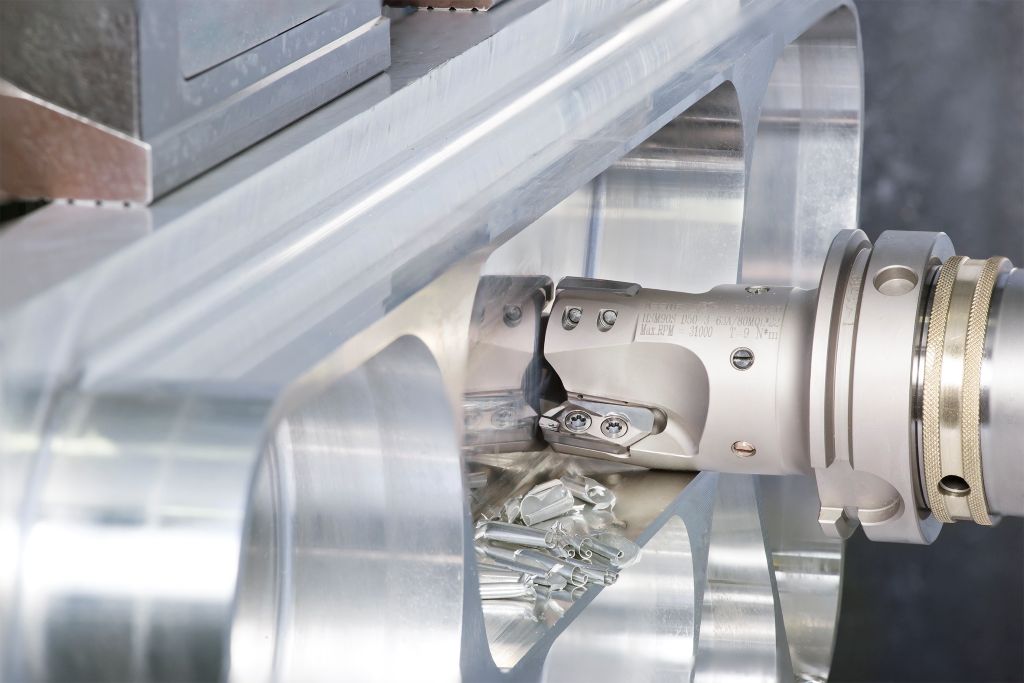
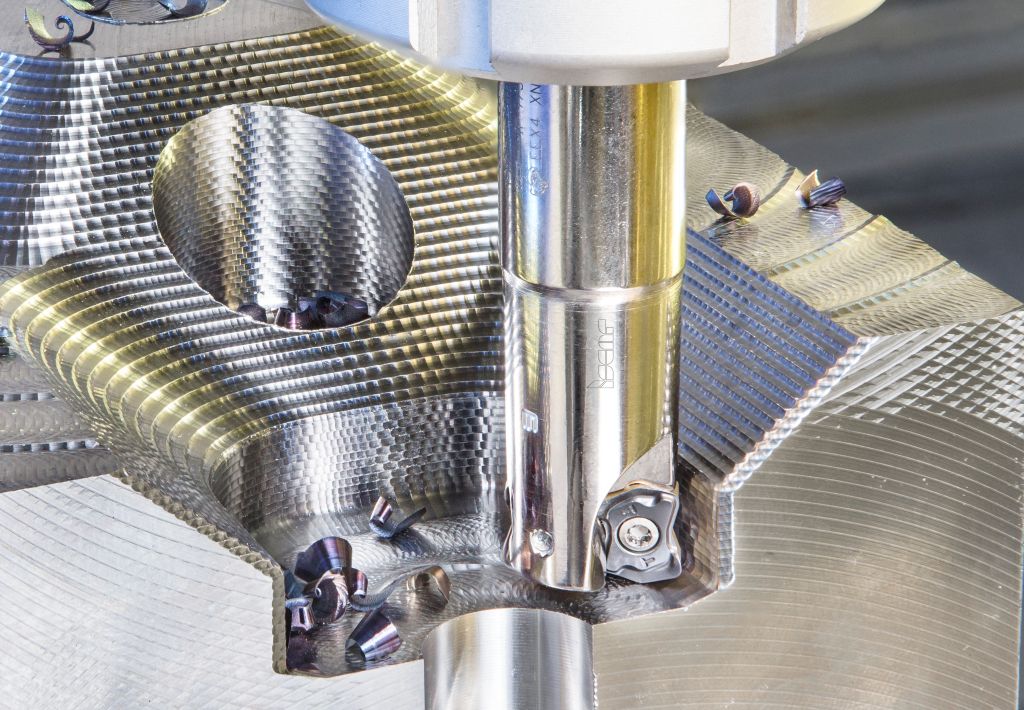
High-feed milling has become a widely used method for efficiently roughing complex surfaces. ISCAR offers a wide range of tools for this purpose. The characteristic bone-shaped WSP of the LOGIQ4FEED family is now also available in larger versions. They significantly expand the application range, especially for high-feed milling of deep cavities in tool and mold making. Another innovation is the economical NEOFEED milling cutters with their double-sided, square inserts with eight cutting edges.
Precise and fast
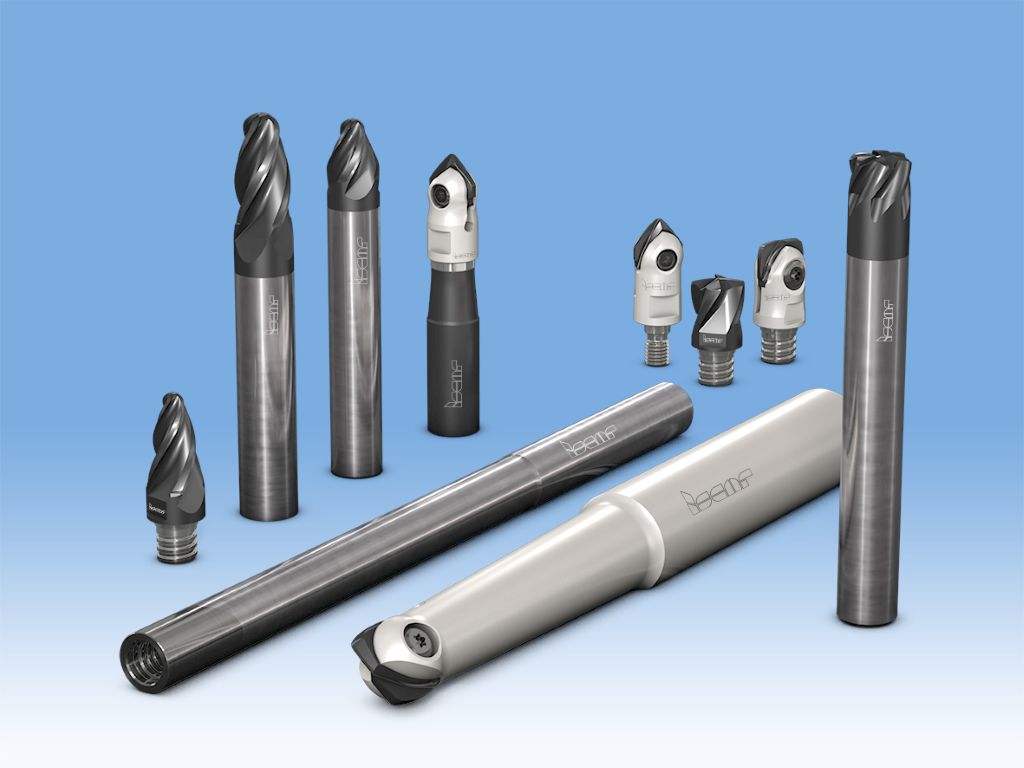
Advancements in multi-axis machine tools and CAD/CAM systems allow for precise milling of complex shapes with minimal material removal using segment or barrel-shaped end mills. These are available as solid carbide versions, as MULTI-MASTER milling heads, or as versions with a replaceable cutting insert.
When milling highly heat-resistant superalloys, users can significantly increase cutting speeds with ceramic cutting materials – speeds of up to 1,000 meters per minute are possible. Among ISCAR's latest ceramic tools are ceramic solid carbide and WSP milling cutters with double-sided round ceramic inserts. The double-sided design aims to maximize the use of ceramic materials, such as black ceramic, whisker-reinforced ceramic, and SiAlON – a type of ceramic based on silicon nitride.
Contact: