
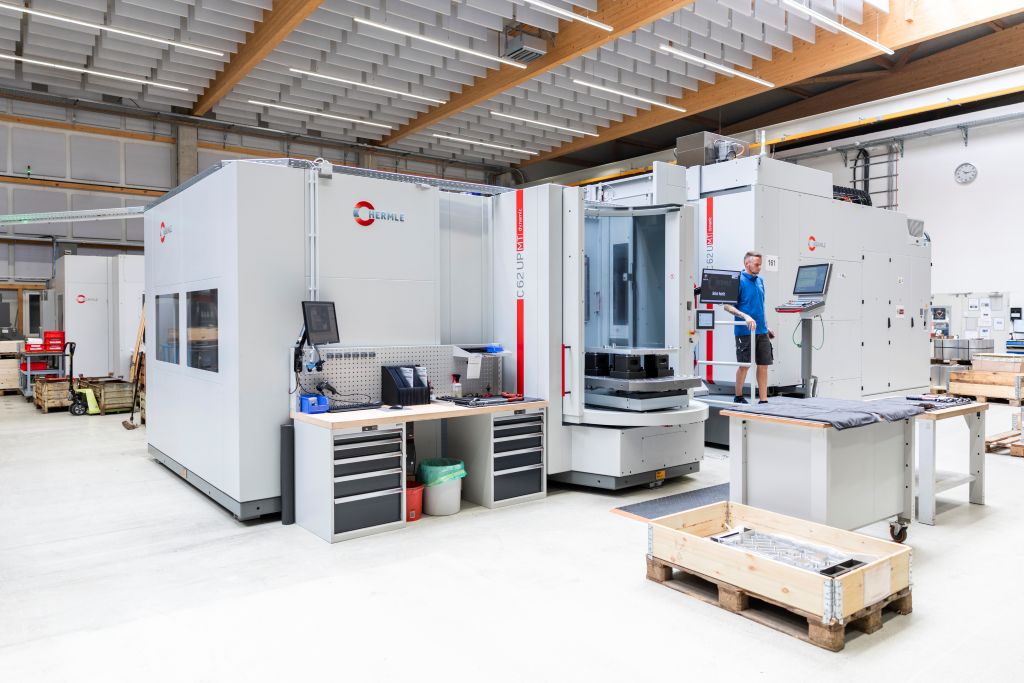
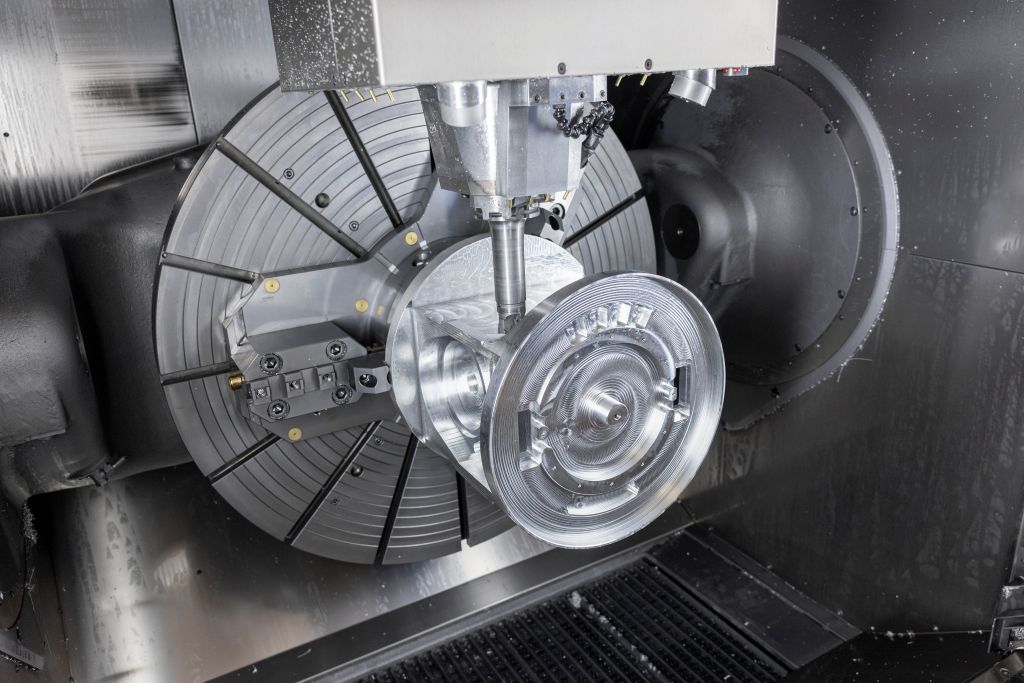
At the setup station, the next workpiece is already ready while the 5-axis machining center is machining a component – this usually takes 20 to 40 hours. To ensure that this time can also be utilized at night and on weekends, not only the program and machine must function. Tool inventory, pallet handling, chip removal, and quality control also form a coordinated overall system. At Ossenbrüggen Feinwerktechnik, these processes seamlessly interact in everyday operations. The contract manufacturer machines large, tolerance-critical workpieces on a HERMLE C 62 MT with turning functionality in just one clamping.
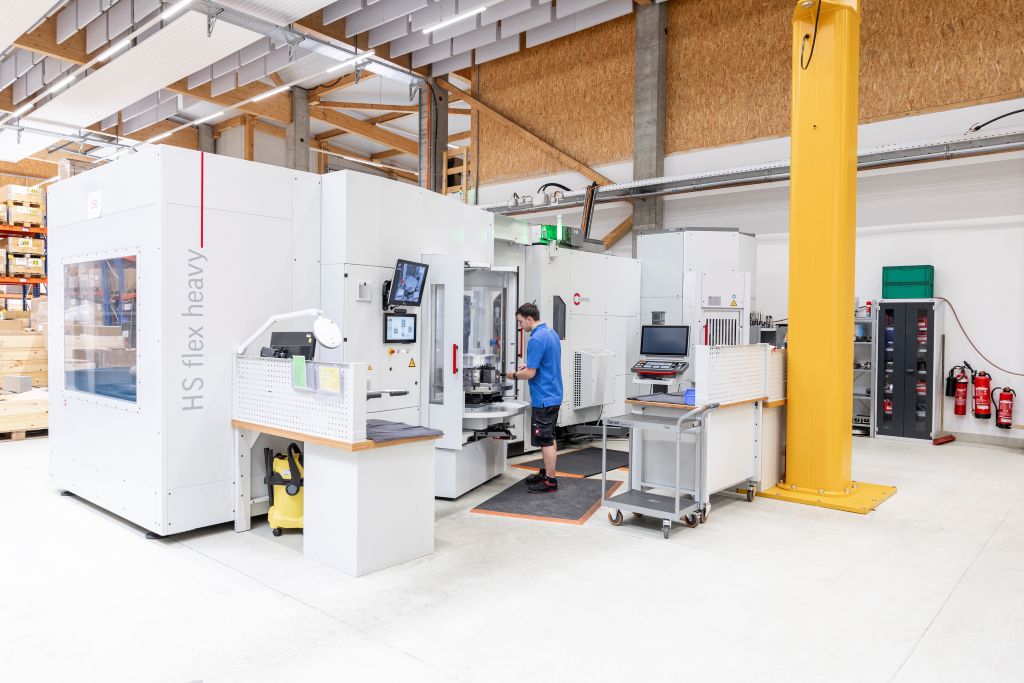
The goal: The component should no longer switch between a turning center and a milling center. Each step means another clamping, additional measurement tasks, and an increased risk of positional deviations or damage. 'Especially with large workpieces with long runtimes and tight shape and position tolerances, we want to avoid these interfaces,' says Daniel Kiefer, production manager at Ossenbrüggen.
Previously, turning was done first and then further machined on a milling center. Today, the company combines several machining steps on one machine.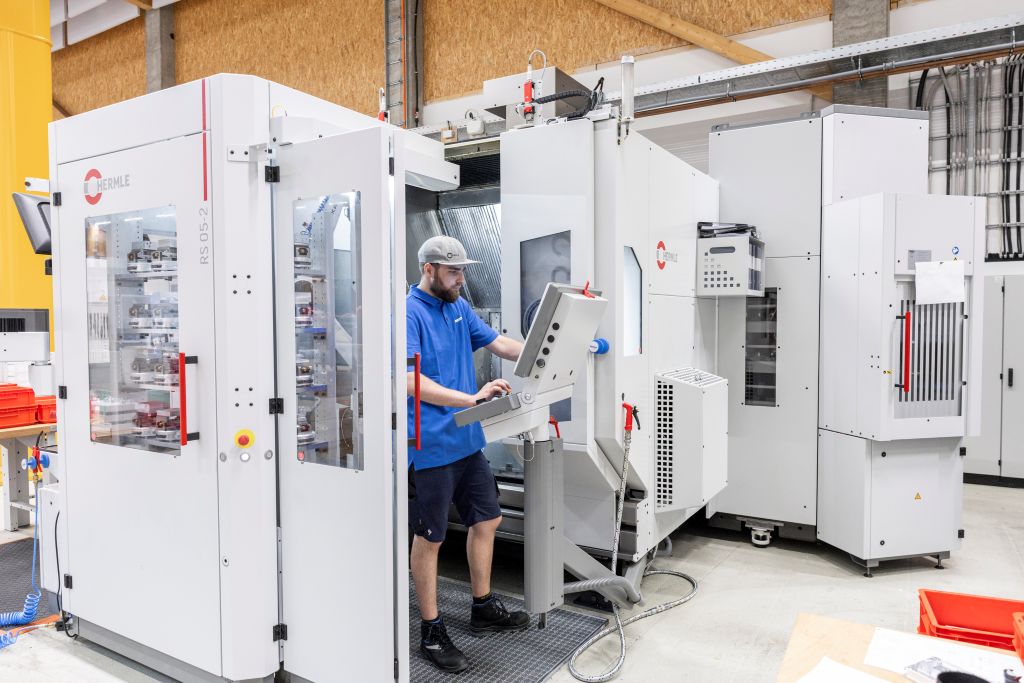
Many industries, small batch sizes, tight specifications
Almost 10,000 square meters of production space, around 75 CNC machining centers, and components for laser, analysis, and medical technology, semiconductor industry, and mechanical engineering: At Ossenbrüggen, large-scale manufacturing meets a wide variety of parts. Between small series and large components, the company must safely and economically manage every order through the process.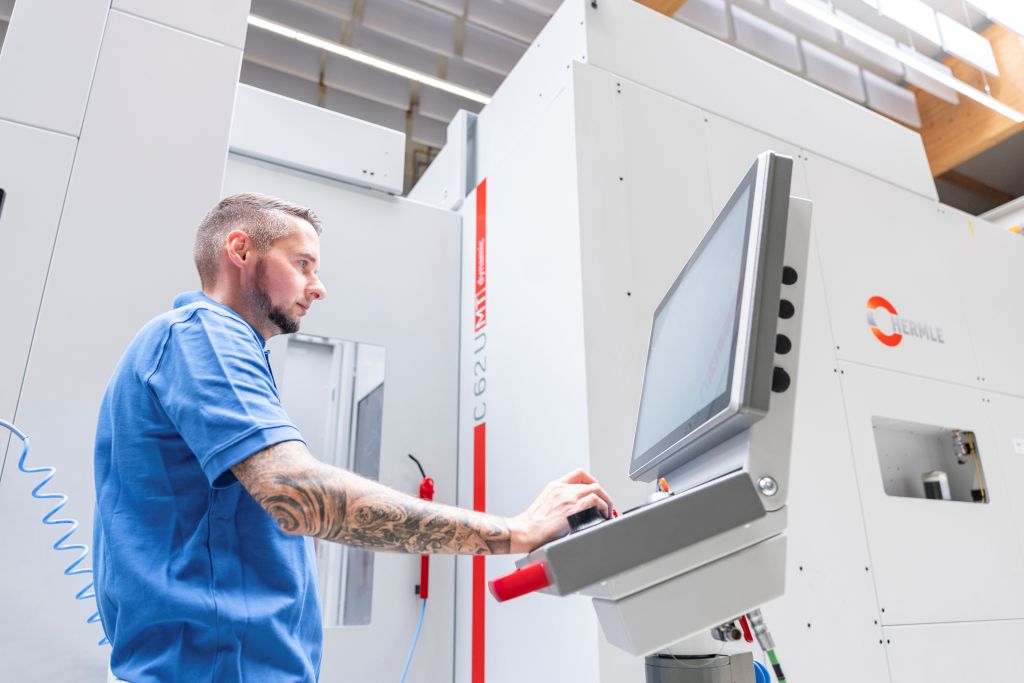
Ossenbrüggen Feinwerktechnik GmbH & Co. KG was founded in 2000 and is now located in Moorrege, northwest of Hamburg. It employs around 240 people and machines aluminum, stainless steel, steel, non-ferrous metals, plastics, and occasionally titanium. The batch sizes range from prototypes to small series to recurring orders with many workpieces. 'The components, regardless of size, have become significantly more demanding in recent years,' reports Jens Ossenbrüggen, managing director and company founder.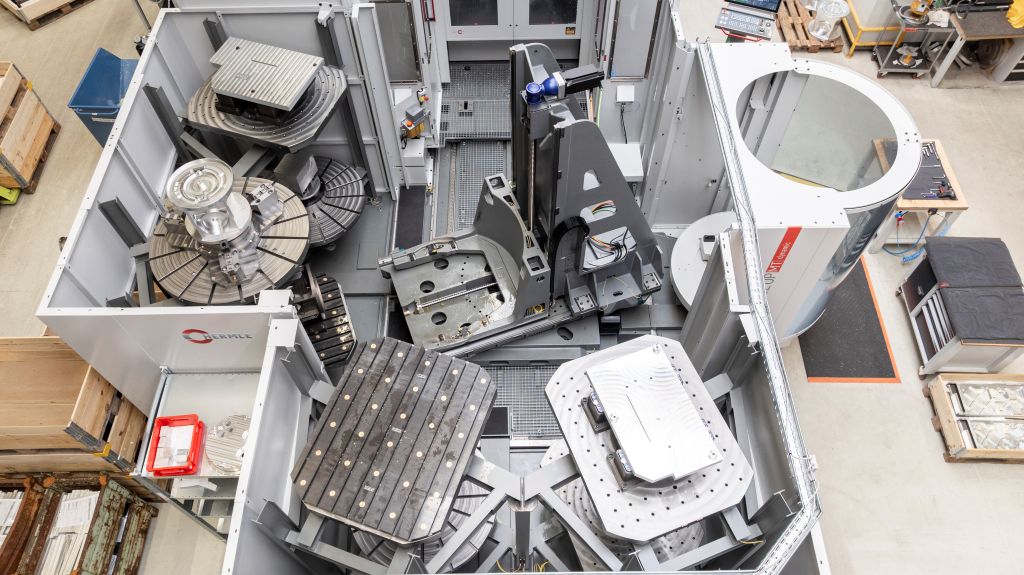
For components used in laser technology, additional specifications apply. Cooling lubricant must not act on the surface for long, as residues may later evaporate. 'This can damage lenses or mirrors in laser systems,' emphasizes the managing director. Such requirements illustrate why Ossenbrüggen does not reduce the process to actual machining: cleaning, material flow, and quality control are just as essential for component safety as the machining itself.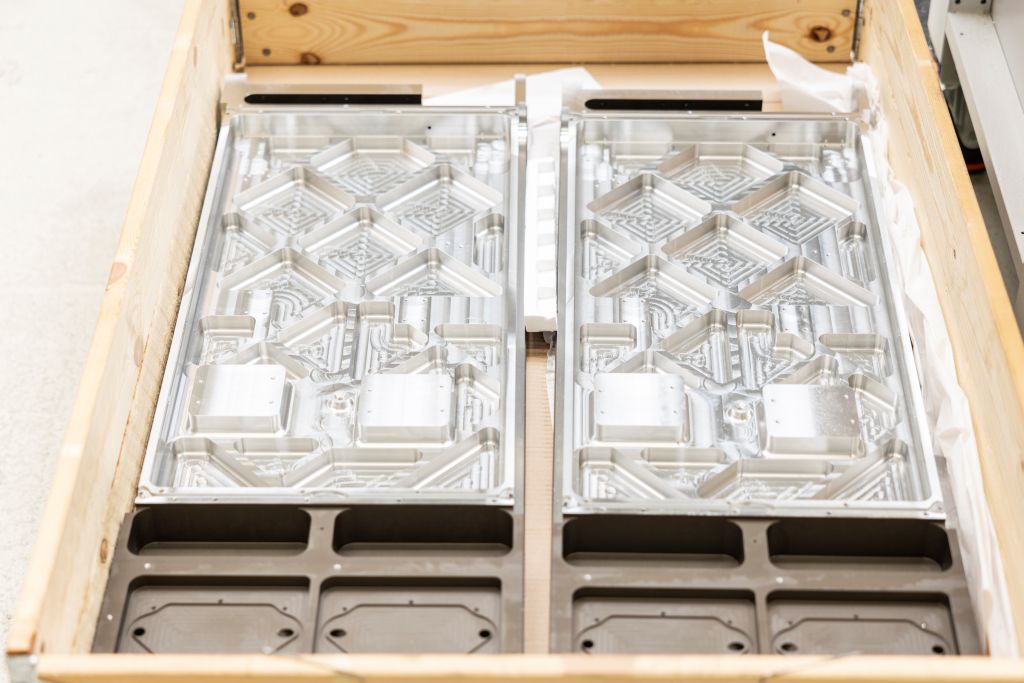
Better stable than just fast
Ossenbrüggen does not evaluate processes solely based on the shortest cycle time. A program that produces a product faster can have disadvantages if it puts more strain on the milling head and machine. A tool break at night stops the machining center for hours. In the worst case, this can also damage the component.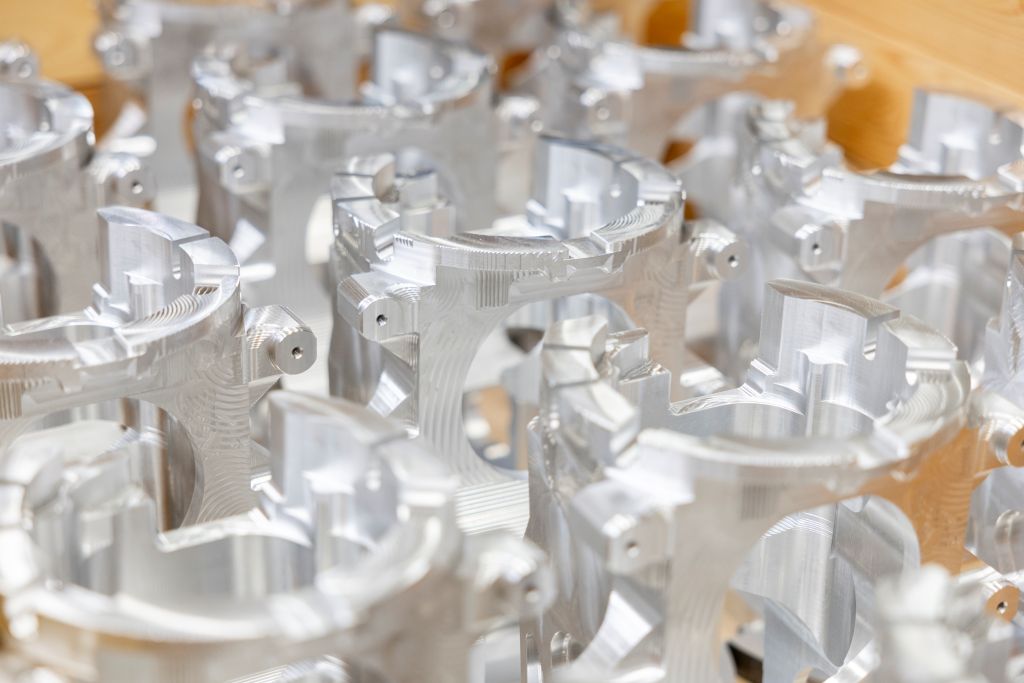
'If the program runs two minutes longer, we might have used more time overall. However, there will be no downtime, and the next morning, precise parts will be in the pallet changer's storage,' explains Jens Ossenbrüggen. For the contract manufacturer, reliable overall performance counts: a stable process, perfect results, and machines that actually utilize their maximum runtime.
When the market picks up, requests often increase on short notice. Production planning and customer service must then realign deadlines, machine capacities, and runtimes. An additional system should not only process a single order but also reduce bottlenecks and create capacities for changing orders.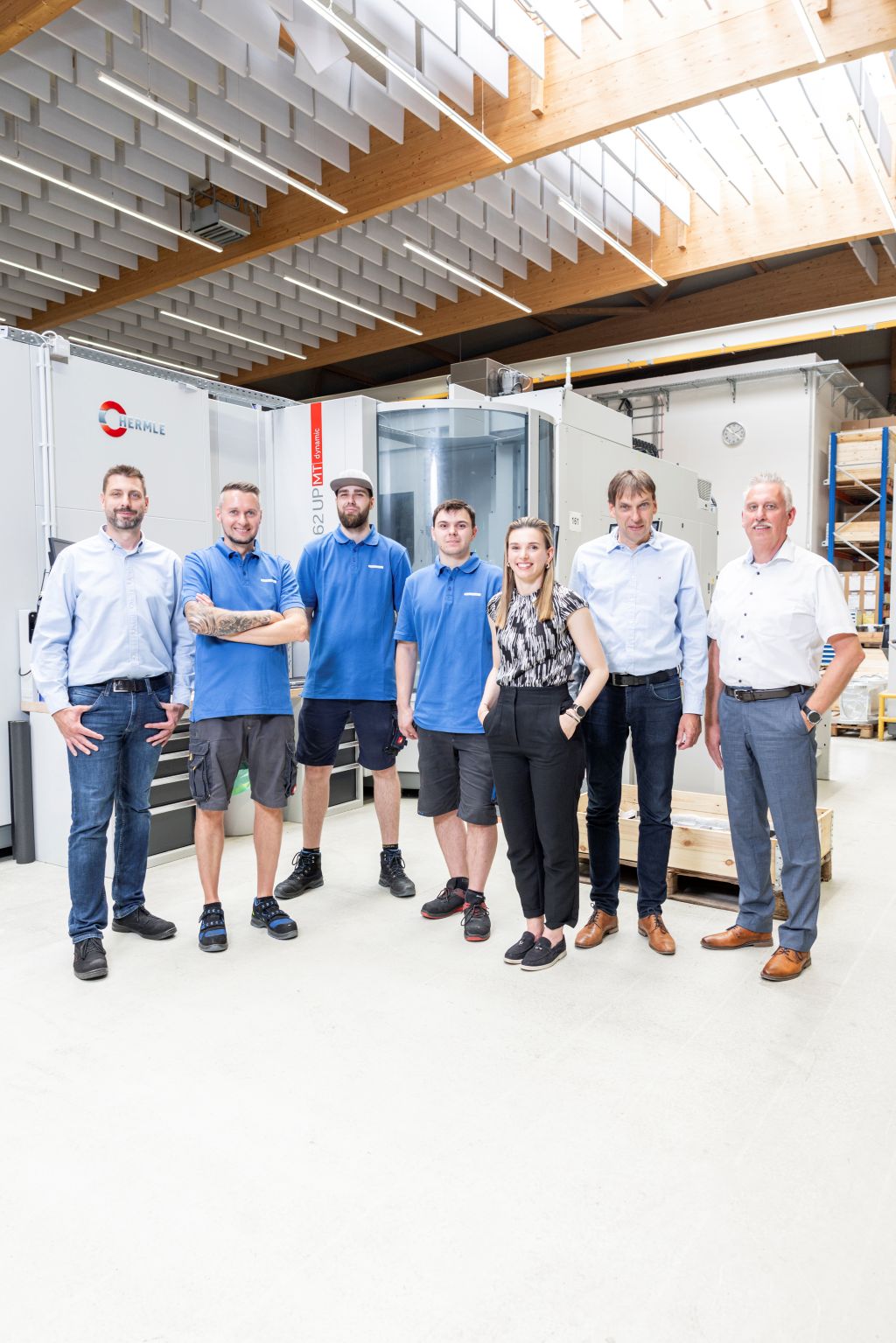
Uniform control simplifies fine planning
In 2025, Ossenbrüggen expanded its machine park with a second C 62 MT, a C 42 MT GEN2, a C 32 GEN2, and the robot system RS 05-2. This allows the company to distribute workpieces of various sizes even more precisely to the suitable machines and further increase the degree of automation. The C 62 MT takes on large and complex workpieces. It is already the second machining center of this type in the company.
For Jens Ossenbrüggen, part of the scope of action is to maintain multiple machine types in stock. Identical or technically closely related milling centers create alternatives when order peaks occur or a system fails. For the contract manufacturer, this reserve is an important factor, as it allows production to absorb short-term changes. The operating logic of all HERMLE systems is the same.
'This allows us to deploy our personnel very flexibly,' says production manager Daniel Kiefer. This facilitates fine planning. Ossenbrüggen also relies on uniform processes in control: All CNC machines operate with Siemens. This allows specialists to quickly adapt regardless of the machining center.
Automated machining of large workpieces
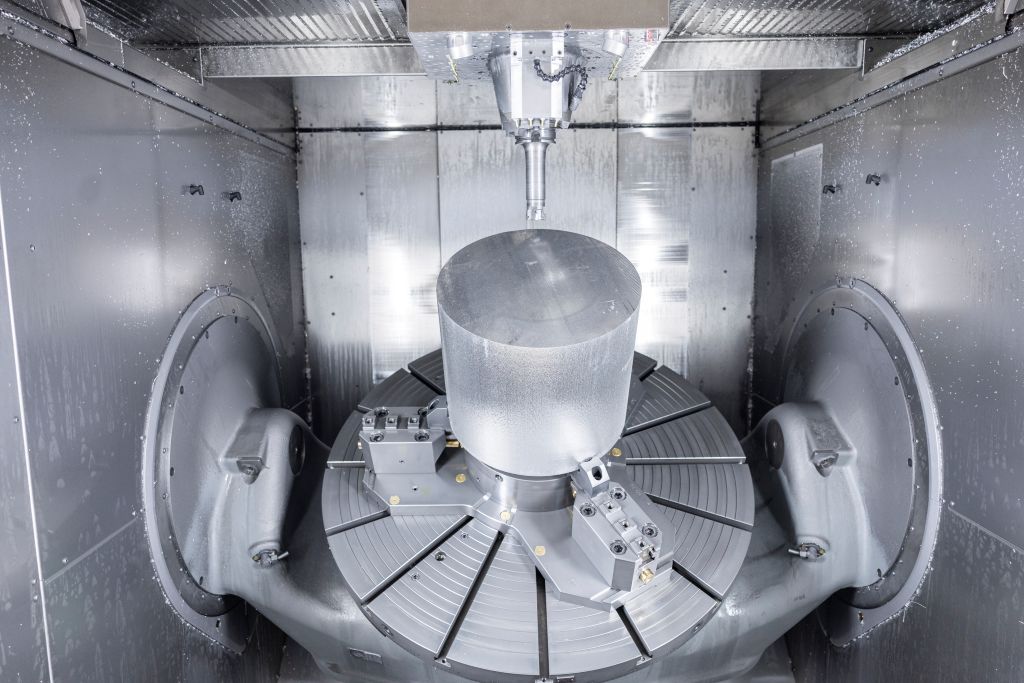
The turning-milling center C 62 MT processes workpieces up to 2,500 kilograms and accommodates parts with a diameter of up to 1,200 millimeters and a height of up to 900 millimeters. The additional magazine ZM 260 is configured as a double tower and offers space for 260 tools – thus complementing the 50 in the machine. The contract manufacturer can also prepare machining with extensive tool requirements without having to interrupt the process due to a tool change outside the magazine.
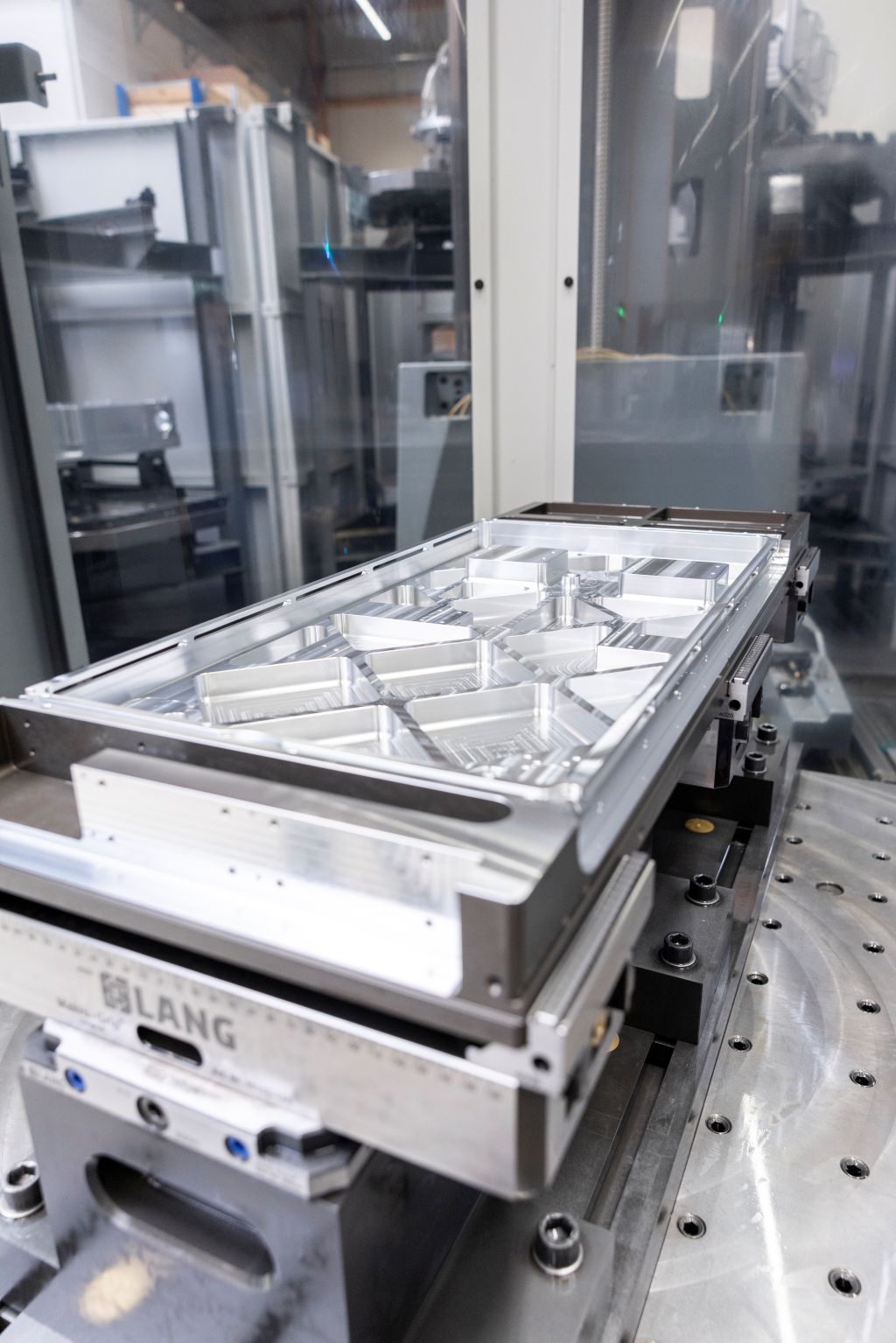
At the new C 62 MT, the adapted pallet changer PW 3000 stocks prepared components in eight places. 'Automation supports our production by creating additional unmanned hours,' says Daniel Kiefer.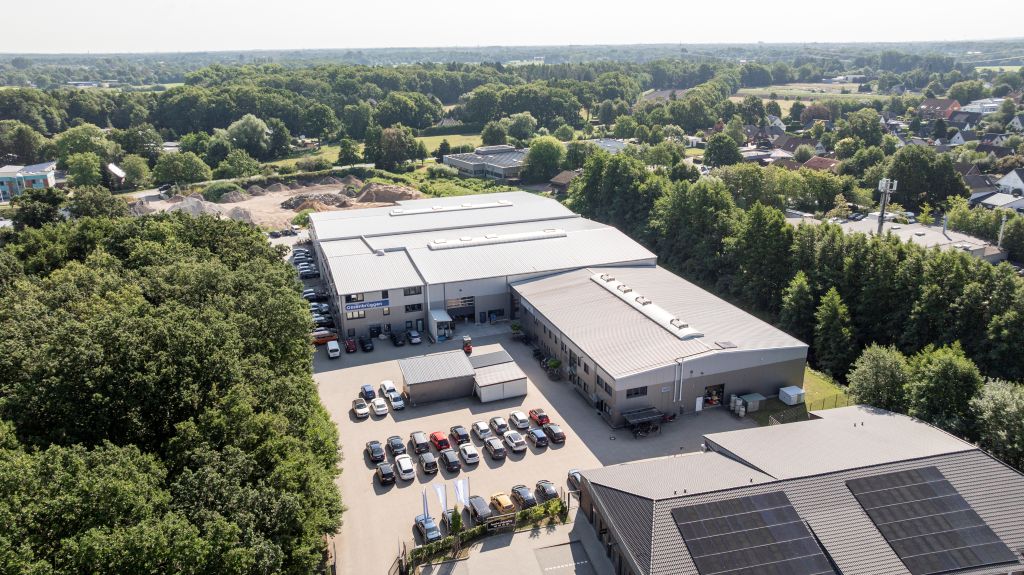
For large workpieces, the unmanned runtime does not end at the machine door. Chip removal can also limit it. With intensive machining, a collection container is full after about two hours. Then a specialist would need to change the cart, even though the machine could continue milling. 'Therefore, we particularly use chip presses for large CNC centers like the C 62 MT,' says Daniel Kiefer. They reduce the volume of chips to about one-eighth.
At the same time, Ossenbrüggen recovers coolant. The briquettes are easier to handle and more economical to utilize. This example makes it clear: Only the interplay of automation, tool provision, pallets, chip removal, material planning, and quality control creates the conditions for stable, long runtimes.
Contact: