
The core business of M-O-T Mikro- und Oberflächentechnik GmbH in Saarbrücken is systems for the production of microchips. In its effort to manufacture as many of the required plastic parts in-house as possible, the company has made significant progress with the use of the MAPAL NeoMill-Diamond-FlyCutter.
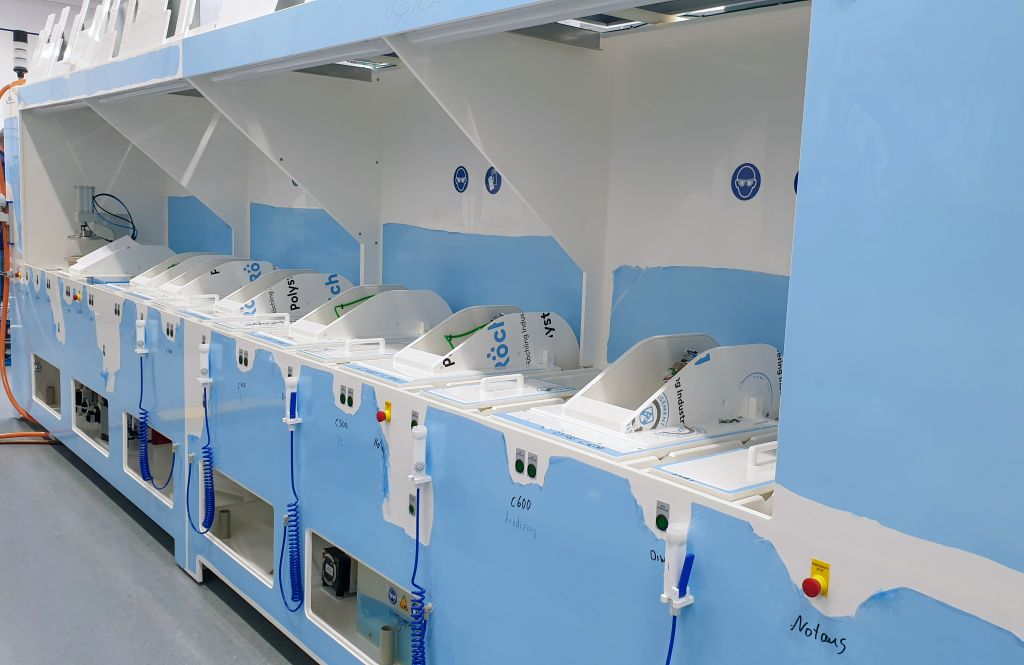
Founded in 2001, M-O-T Mikro- und Oberflächentechnik GmbH has been part of the Woll corporate group since 2011 and complements the spectrum of the versatile special machine builder with the production of wet chemical process systems for the fields of microsystems and semiconductors. With nearly 30 employees, the specialist is fully integrated into the group, which is also noticeable spatially: M-O-T occupies three rooms in the middle of a production hall of Woll.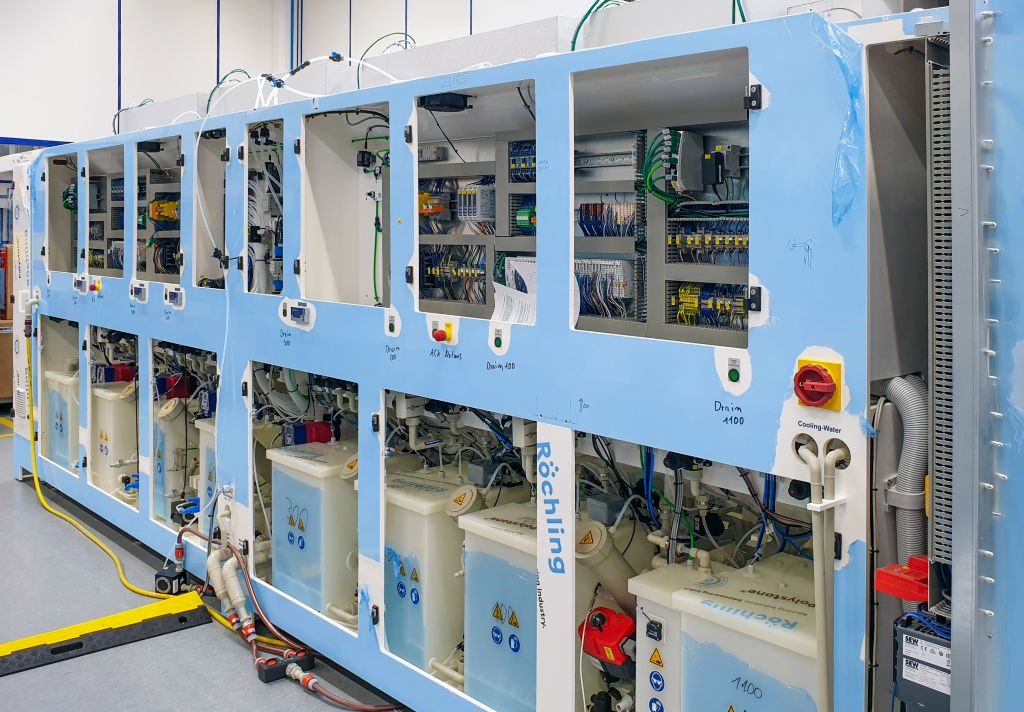
In this area, things are different from the rest of the production, which is primarily focused on metalworking. Street shoes are not permitted here, and there is a constant slight overpressure. Although production does not take place in a clean room, it does occur in a clean area, as production manager Mike Jakob explains. Introduced contaminants could alter values in the precisely working systems and thus jeopardize the process. The operation later takes place in clean rooms at the customers' facilities.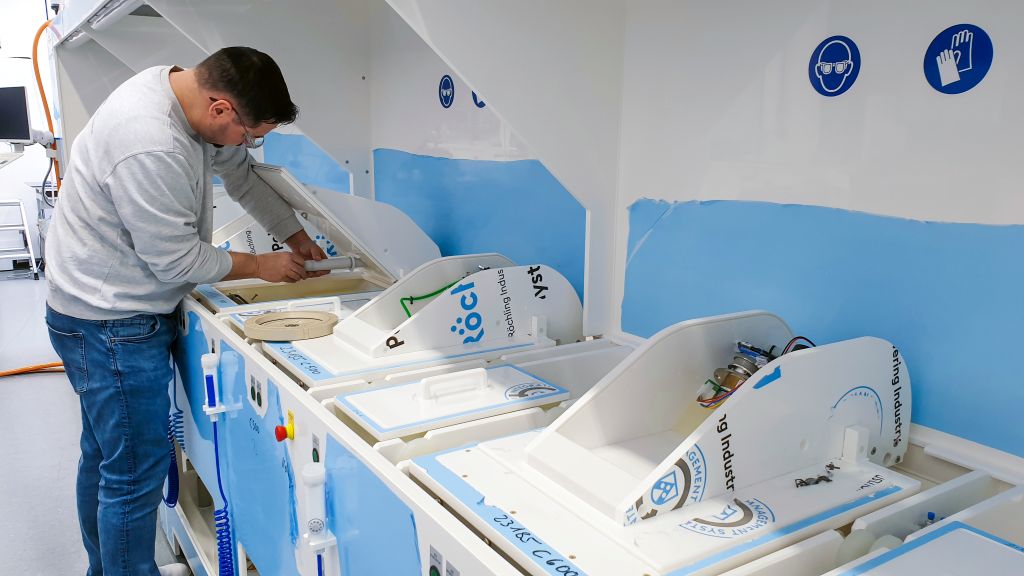
In addition to the installed electronics, the systems are practically made entirely of plastic and are modularly built for the individual process steps required in semiconductor manufacturing. At the front, process cells are lined up, into which silicon wafers are placed for processing. Behind the machine are storage containers with the necessary liquids, mostly acids, bases, and solvents.
Galvanizing is also possible if needed. Depending on the application case, surface treatment takes place on the individually designed systems from M-O-T either before or after the exposure of the wafers. With purchased components, photolithography can also be integrated directly into the system.
Plastics depending on the application
For the production of containers for the processes and the storage of chemicals, M-O-T primarily uses sheets that are welded together using a thermal bonding process. Different plastics are used for this, with the selection being crucially dependent on the respective chemicals and the process temperature. Usually, PP or PVC is used, but in some cases, high-temperature resistant PEEK or absolutely acid-resistant PVDF is required. When various extreme requirements come together, PTFE, also known as Teflon, is often the best choice.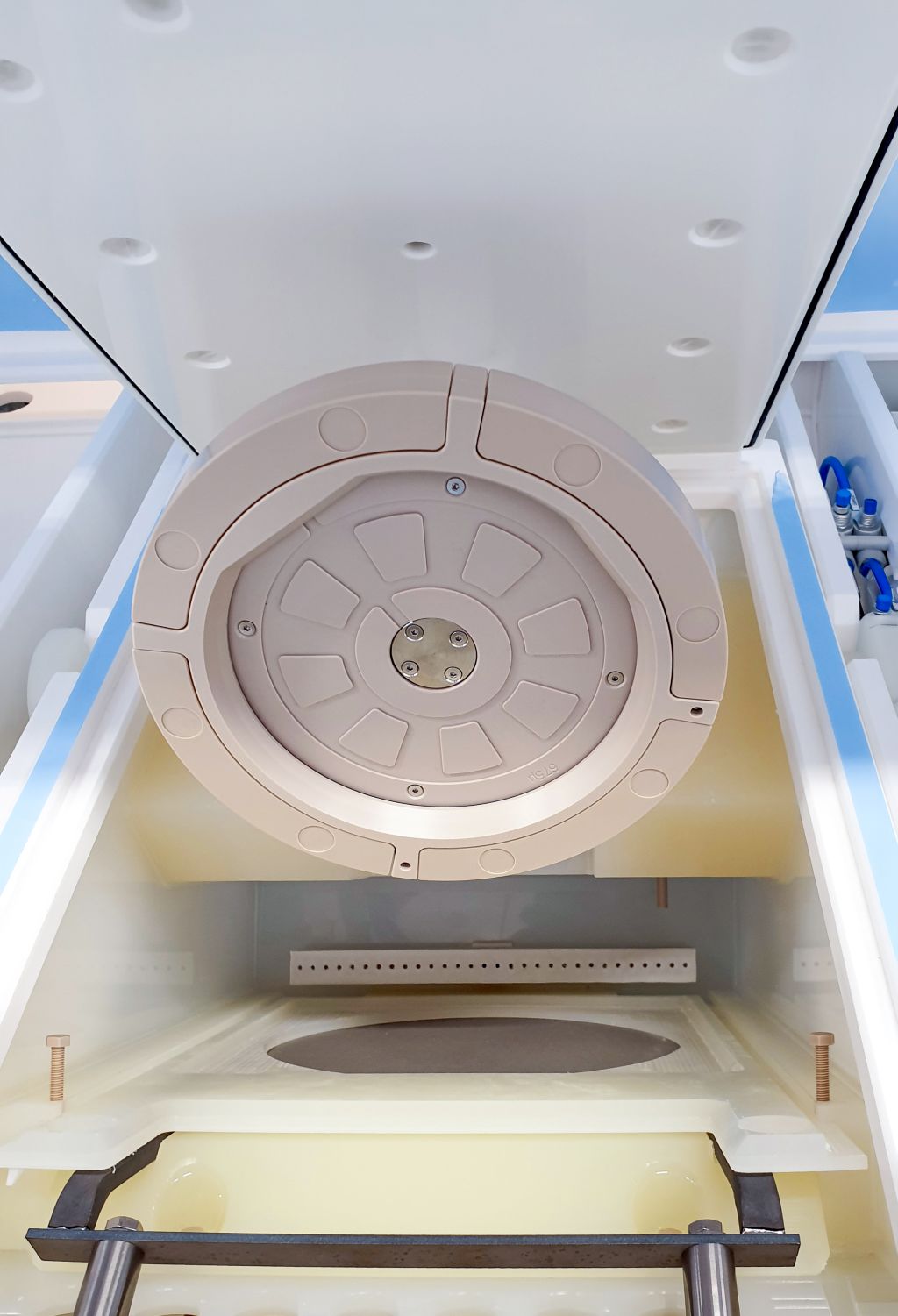
The number of built systems has increased significantly in recent years. While there were still five to six per year in 2021, M-O-T now delivers 20 to 30. However, there are fluctuations depending on the market situation, which in turn depends on developments in the global semiconductor market. Additionally, the systems are becoming more complex. Initially, production primarily worked with suppliers. The fact that responsibilities at M-O-T have been focused on in-house production since 2022 is also related to quality issues with the supplied parts: finished systems had repeatedly experienced leaks.
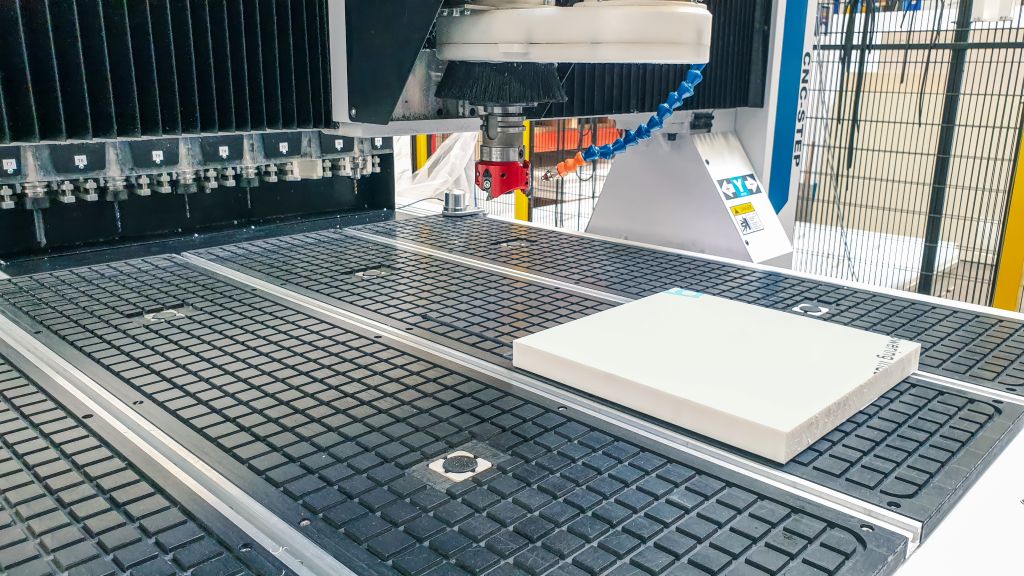
The way M-O-T processes its plastic sheets initially seems curious: the machine comes from model making, the tool was developed for aluminum milling, and the coolant (KSS) is actually a disinfectant. However, for the purposes of the plant builder from Saarbrücken, the unusual combination is quite effective.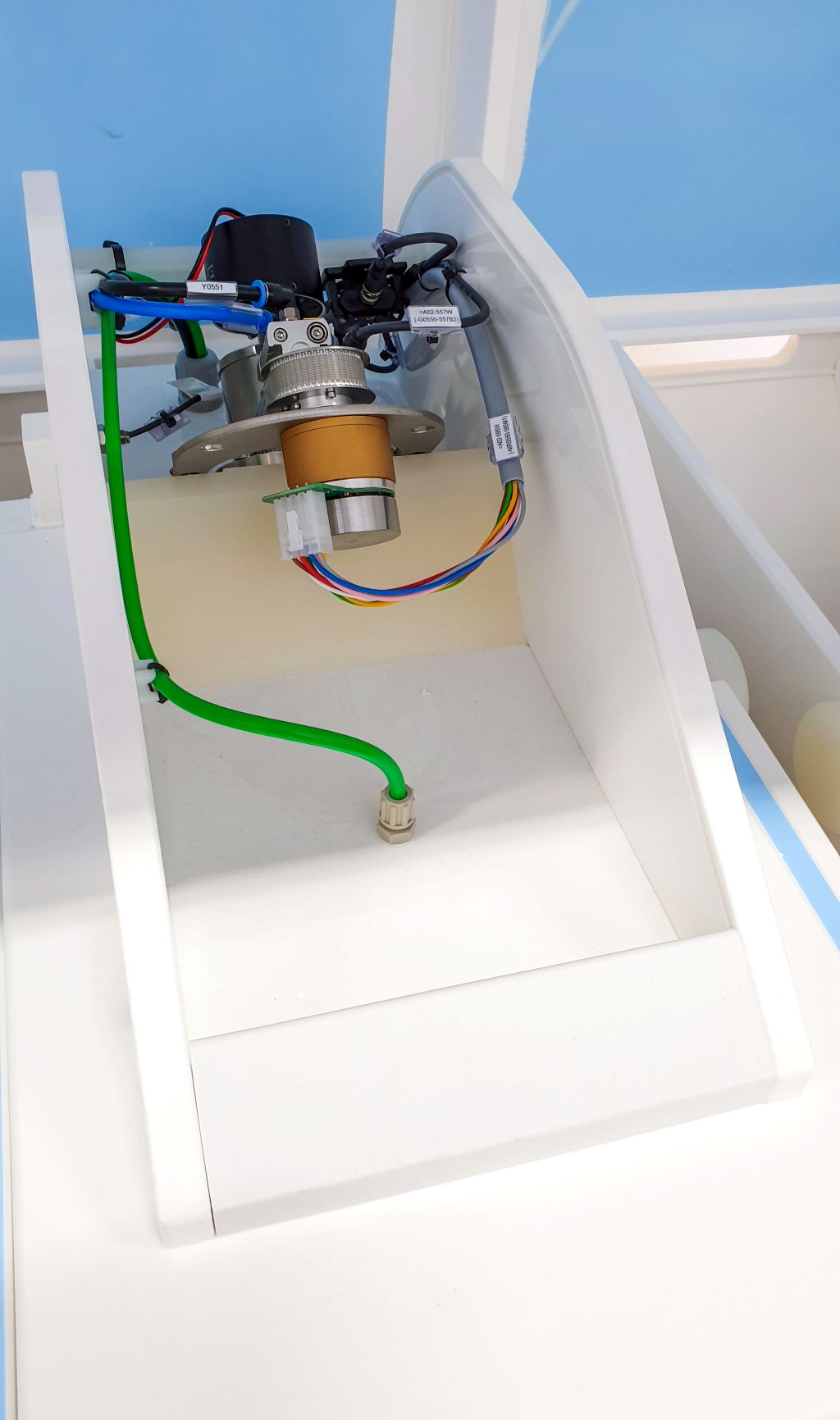
After a year of searching, the NeoMill-Diamond-FlyCutter brings the solution
For the machine, the open portal milling machine T-Rex from the manufacturer CNC-Step was chosen. The small SK30 interface serves as the tool holder, and workpieces up to a size of 1,000 x 1,000 mm can be clamped on the vacuum table. The search for a suitable tool for the intended machining, which primarily focused on good surface quality, proved to be difficult. Mike Jakob reports: 'We were not satisfied with the quality we initially achieved. I searched for a suitable cutter head for a year, but no one could offer us anything really suitable for the surface finish. At AMB 2024 in Stuttgart, I found what I was looking for at MAPAL, where there was a milling cutter with our holder.'
Together with application technician Klaus-Dieter Leick from MAPAL, it was worked out what the best solution was that could be achieved on the existing machine.
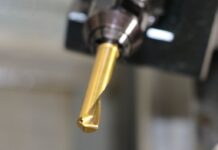
The choice fell on a NeoMill-Diamond-FlyCutter with a 63 mm milling head diameter. 'We originally developed this tool for the machining of aluminum components in the electronics industry, where the goal was to create as perfect surfaces as possible in planar machining,' reports Leander Bolz from MAPAL's Component Management.
At the tool manufacturer from Aalen, they were immediately sure that it would also work with plastic, especially since the tool was originally designed for critical machine concepts such as small spindles and vacuum clamping.
With its special cutting geometry, the lightweight three-flute cutter reduces cutting pressure and removes chips relatively quickly from the cutting area. The low cutting pressure was already a decisive feature when milling aluminum surfaces. With an appropriate choice of cutting material, MAPAL can adapt the tool to different materials.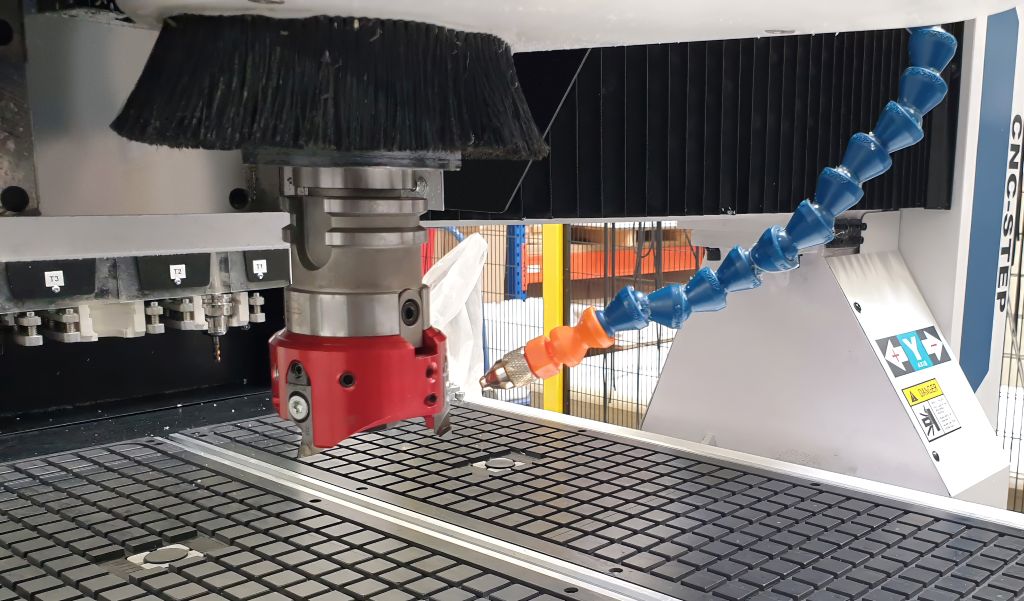
M-O-T is very satisfied with the now widely used NeoMill-Diamond-FlyCutter, which has proven to be a true game changer in surface processing. When the milling machine was purchased, the manufacturers initially only had the processing of the doors for the housings in mind. Gradually, more and more components from their own production came in. M-O-T now completely manufactures the supply tanks for the required chemicals in-house and plans to also produce the process cells independently in the future.
Special components, such as process baths made of Teflon, will continue to be manufactured externally. M-O-T uses the NeoMill-Diamond-FlyCutter for face milling the plates. For side machining and to finish contours, another tool from MAPAL, a PKD end mill, is used.
Further optimization is underway
The department of Mike Jakob does not see itself at the finish line yet. Further experiments with the coolant are to be conducted to optimize surface quality and protect the tool. Especially the machining of the rigid and brittle PVDF has occasionally damaged the PKD cutting edges of the NeoMill-Diamond-FlyCutter. However, M-O-T is significantly restricted in its choice of coolant.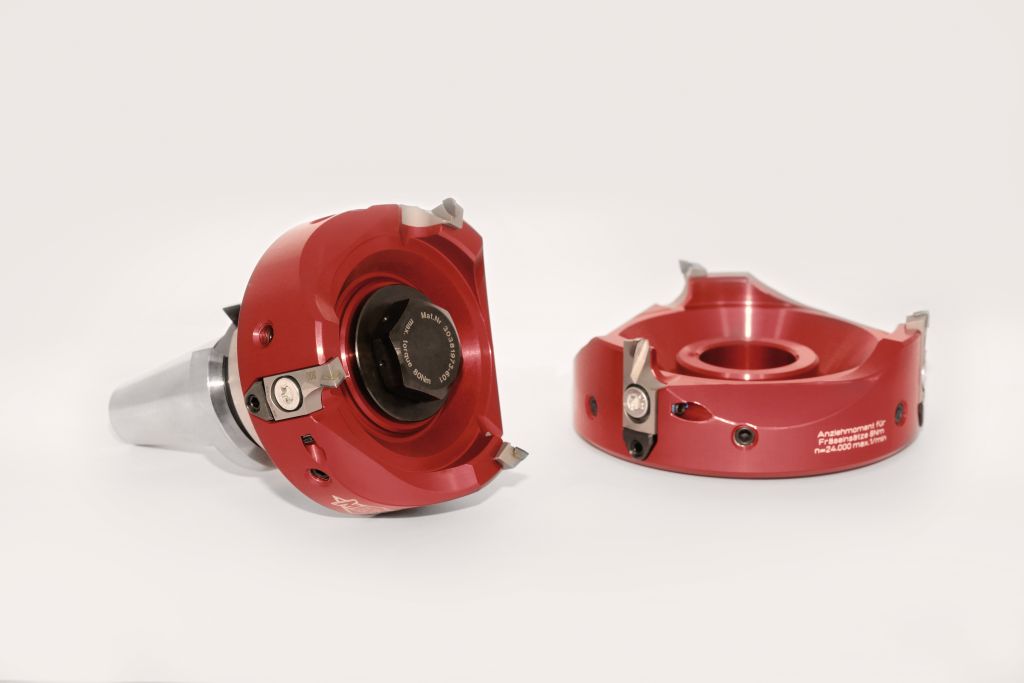
Oil is not an option to avoid introducing contaminants into the system that could affect the pH value or other process parameters. For this reason, no metal chips are allowed to enter the production area of M-O-T. Isopropanol was chosen as the coolant because it evaporates very quickly. However, due to its significant odor nuisance, it can only be used to a limited extent at the machine.
Plastics also present special requirements for cooling, as Robin Kollmann, who is responsible for milling at M-O-T, describes: 'Plastic absorbs less heat than aluminum, which cannot be dissipated quickly enough from the component. The chips can melt or clump together, which builds up more pressure and potentially damages the cutting edge. The surface quality is also not as good as we would like.' During machining, 0.3 mm is milled off per cut. Depending on the material and quality class, the allowance can be up to 1 mm.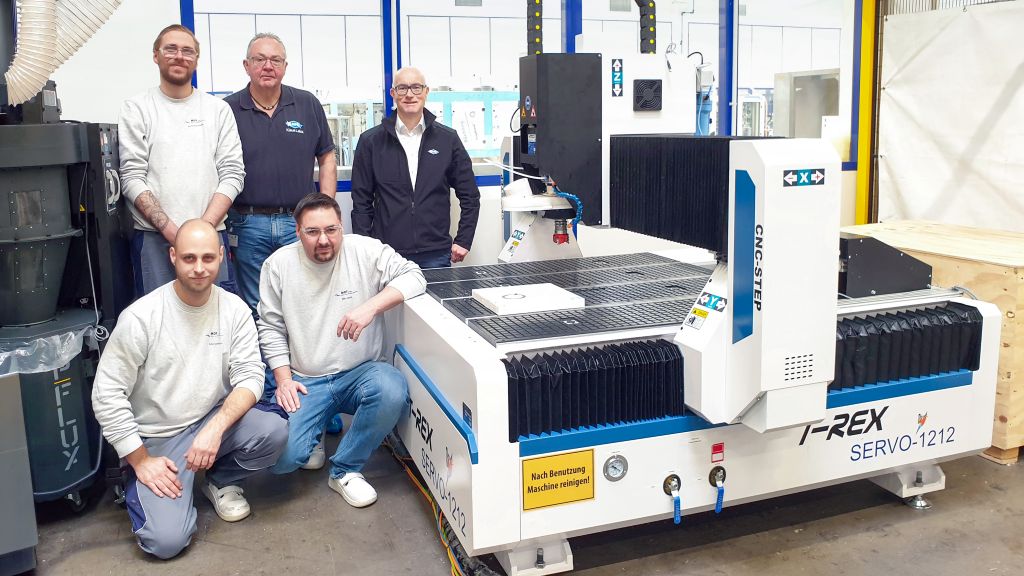
To avoid generating too much heat during machining, M-O-T is currently operating at a cutting speed of 6,000 rpm and a feed rate of 1,200 mm/min. This keeps the manufacturers significantly below the values initially suggested by MAPAL, which were already set lower than for aluminum machining. Not enough experience has yet been gathered to assess the impact of isopropanol cooling on the tool life.
In parallel, M-O-T has begun testing a new water-based coolant. As part of the trials, the manufacturers also want to test higher cutting speeds.
Meanwhile, the next optimization step has been successfully tested: M-O-T tested a larger variant of the NeoMill-Diamond-FlyCutter with a 100 mm milling head diameter and subsequently ordered the tool. The change is possible in the modular system without major effort, as all milling head diameters offered by MAPAL from 63 to 160 mm can be mounted on the same adapter. This clearly shows that MAPAL not only supports the application with a suitable tool but also develops further approaches to increase productivity in continuous exchange with the customer.
Contact: