
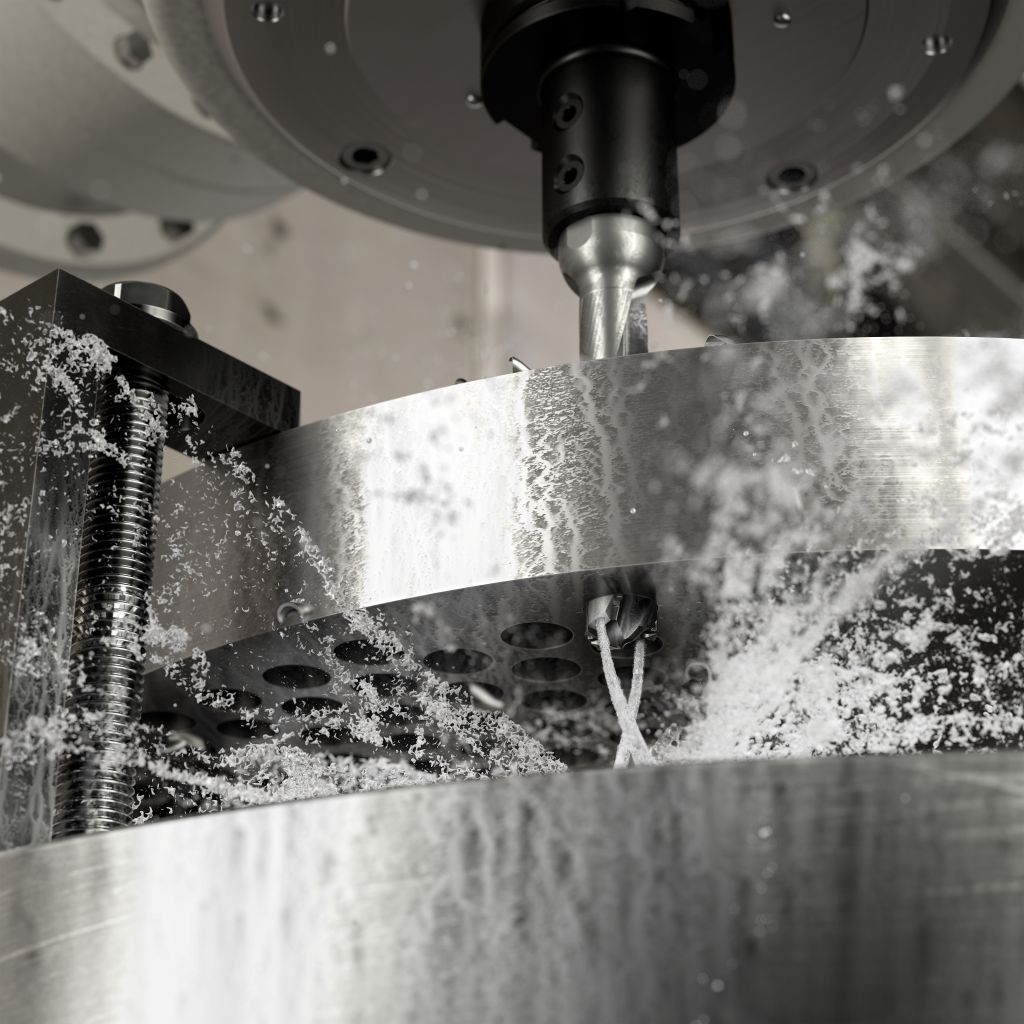
When Sandvik Coromant launched the CoroDrill DE10 in March 2025, it was more than just the introduction of a new drilling tool: the drill with interchangeable head was the first of its kind for mass production. With its plug-and-play approach and universal M5 geometry, it aims to enable faster, higher quality, and more versatile machining. However, such advantages must also be confirmed in practice. Mikael Carlsson, Global Product Specialist for Indexable Rotating Tools at Sandvik Coromant, therefore explains the performance capability of the CoroDrill DE10 in real-world use.
In the development of the CoroDrill DE10, three core objectives were pursued: user-friendliness, robust performance, and adaptability. To this end, the tool features a patented interface between the interchangeable head and tool body, as well as a drill body made of high-strength steel. This combination ensures maximum stability under demanding cutting parameters.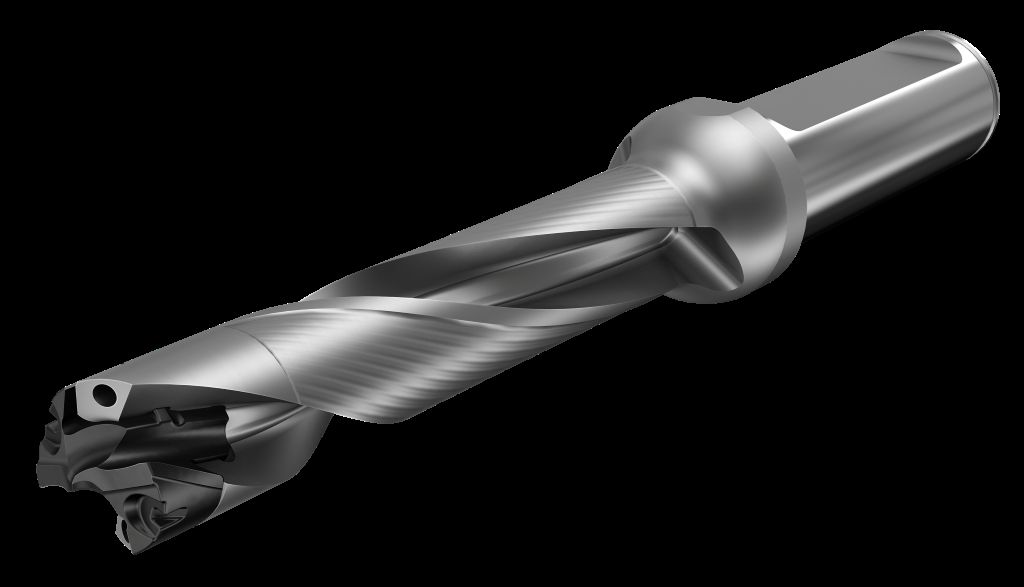
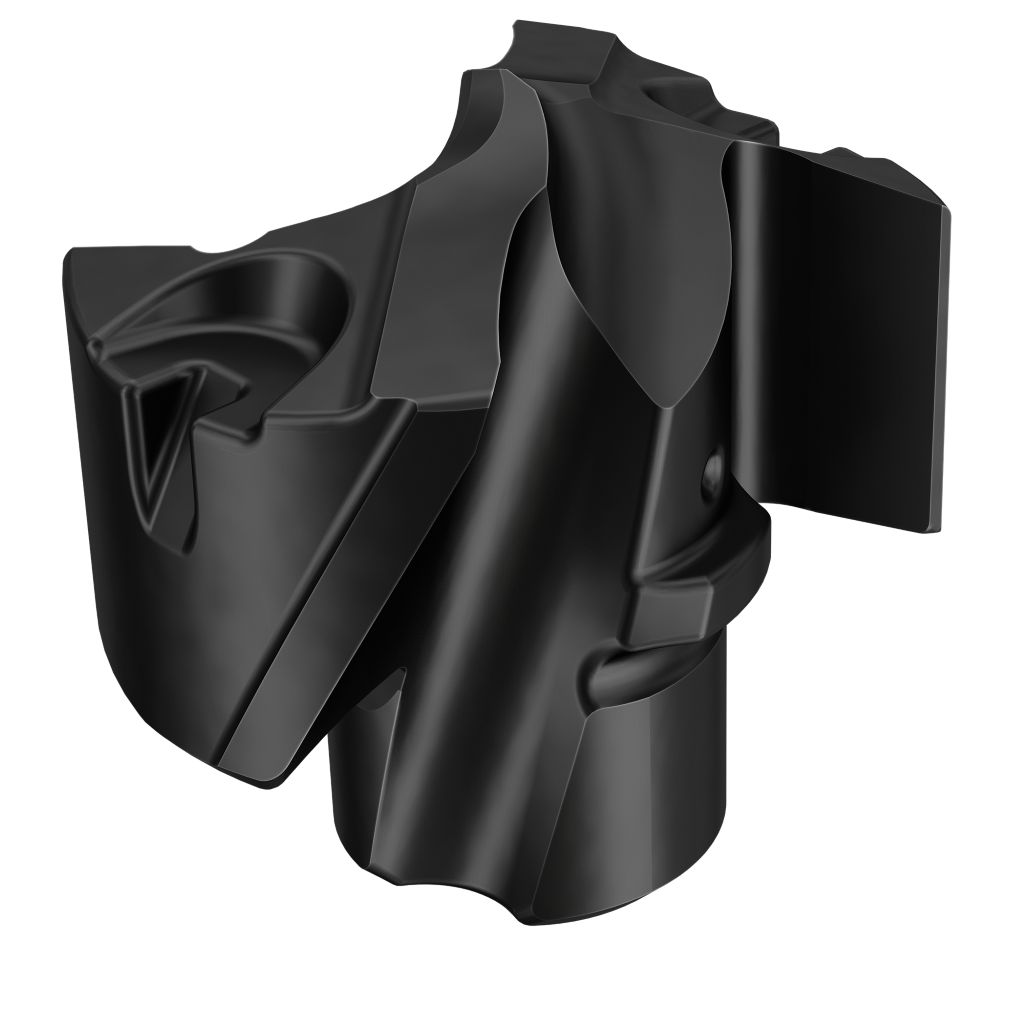
One of the key innovations of the tool is its injection-molded solid carbide tip, which represents a first development by Sandvik Coromant. By adapting the powder injection molding process originally used for plastics, the team was able to develop a refined and more consistent tool geometry. This allowed for more accurate control of the drill center and a reinforced corner design.
The result is a tool that operates reliably even under demanding cutting conditions.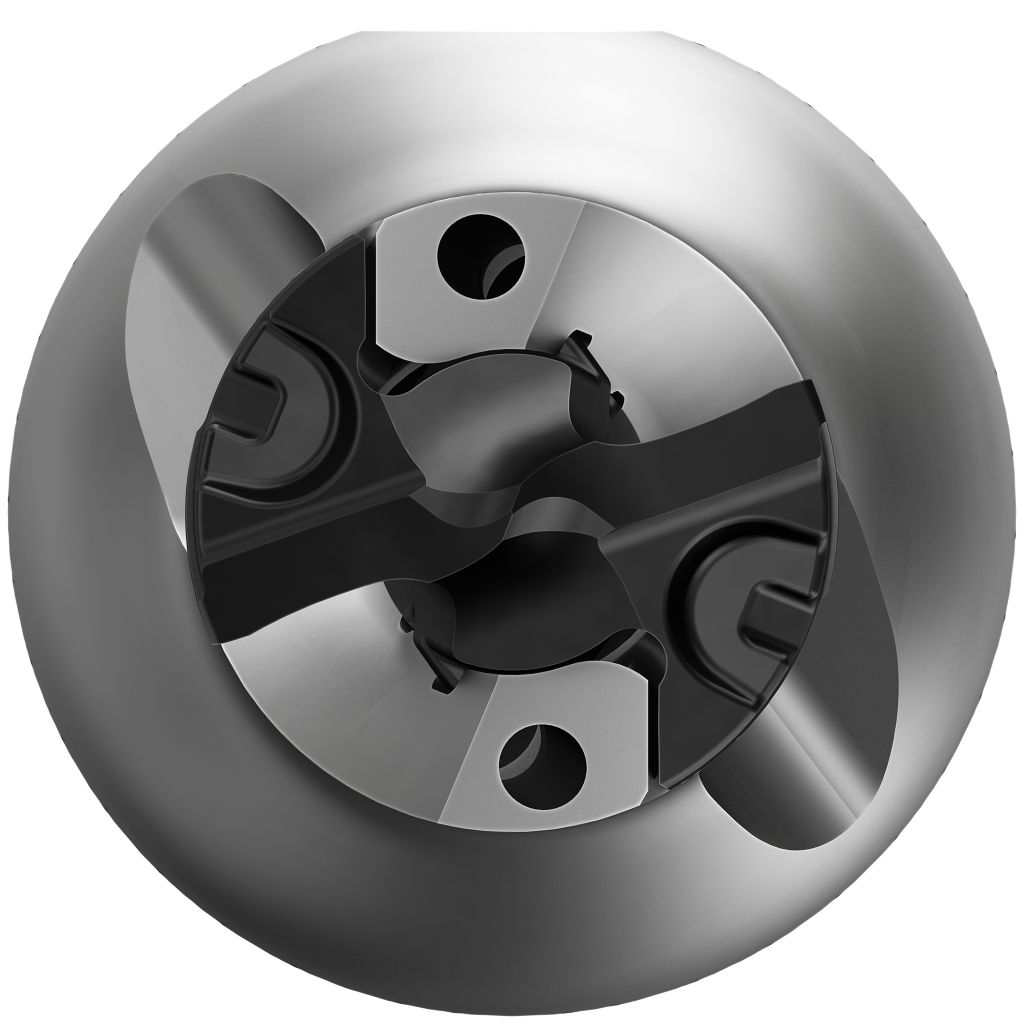
Also crucial is the patented pre-tension interface with preloaded clamping. It combines a proven design with increased safety, enables quick and easy exchange of the interchangeable head, and requires no spare parts. The interface ensures reliable drilling at high feed rates and speeds, provides excellent clamping force, and achieves straighter holes with tighter tolerances – all without a pilot drill. Additionally, it extends the lifespan of the drill body, making the CoroDrill DE10 the most robust drill with an interchangeable head.
Regardless of its potential, a tool must prove in real machining environments that it actually changes the way manufacturing companies perform drilling operations.
Advantages in all ISO-P classes
After the CoroDrill DE10 was introduced to the market, Sandvik Coromant aimed to demonstrate the tool's performance capabilities through an extensive global benchmarking program. Over several months, four Sandvik Coromant centers in Sandviken (Sweden), Renningen (Germany), Chongqing (China), and Mebane (USA) conducted rigorous tests under real manufacturing conditions. At each location, standardized cutting parameters for various materials – including steels in ISO-P1 and P2 categories, as well as stainless steels in the ISO-M1 category – were applied to compare the drill with key competitors in the market.
To obtain a complete overview of the tool's performance, several features were tested and analyzed. The hole diameter, surface quality, burr height, chip formation, tool life, and process reliability were evaluated in comparison to the solutions of six competitors. Identical cutting data were used for the three tested materials.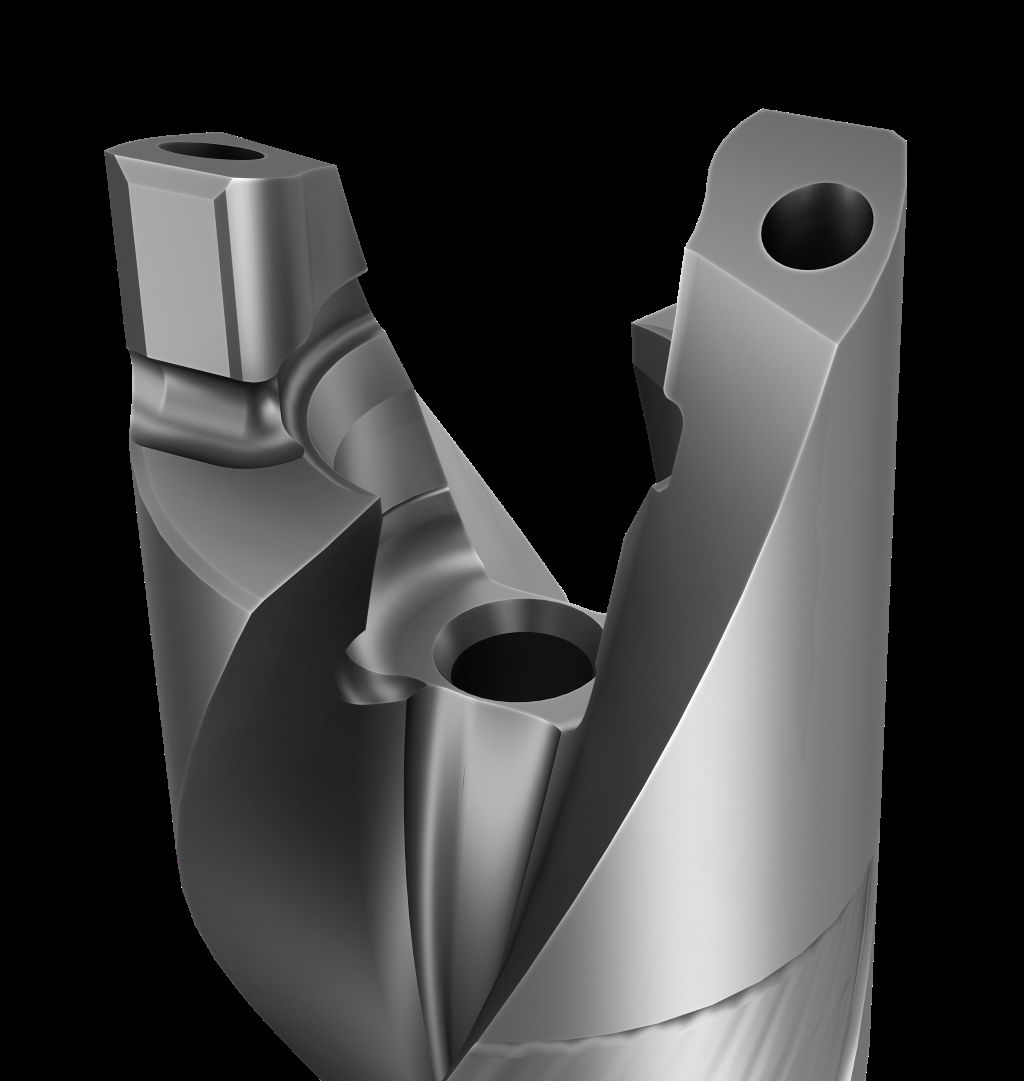
In all tests, the CoroDrill DE10 performed the best. Trials with high-strength ISO-P2 materials at the Sandvik Coromant Center in Sandviken pushed all drills to their limits. However, the CoroDrill DE10 achieved hole tolerances of H9/H10 with exceptional process reliability. The other two tested tools could not reach this accuracy range. Additionally, the CoroDrill DE10 delivers a consistent surface quality (Ra 0.8–1.3 µm) without tool damage. The competing tools exhibited chipping or edge wear despite similar surface roughness.
Other ISO-P tests also showed promising results. For example, tests on an ISO-P1 workpiece in Germany demonstrated that the surface quality could be improved or maintained under optimized conditions (1.2–1.9 µm) with the CoroDrill DE10, while the performance of a competing tool deteriorated to 3.3–3.8 µm even after optimization – an indication of an unstable process and poor cutting edge quality. Another competitor showed unstable surface quality from the outset and was not tested further due to its poor performance.
In Chongqing, wear images clearly showed that the CoroDrill DE10 exhibited the most stable and predictable wear pattern compared to competitors. After a drilling performance of 41 meters, the CoroDrill DE10 showed only slight flank wear and minimal abrasion. No cutting edge breakage was observed. The uniform and predictable wear indicates controlled cutting forces and stable chip removal. While a competitor achieved a similar cutting length, it exhibited corner breakage and edge damage. This type of brittle wear is a sign of an unstable process, likely caused by chip adhesion or micro-chipping at the cutting edge. Another drill showed significant wear after just 38 meters, including edge breakage and poor coating integrity.
Mastering Accuracy in ISO M
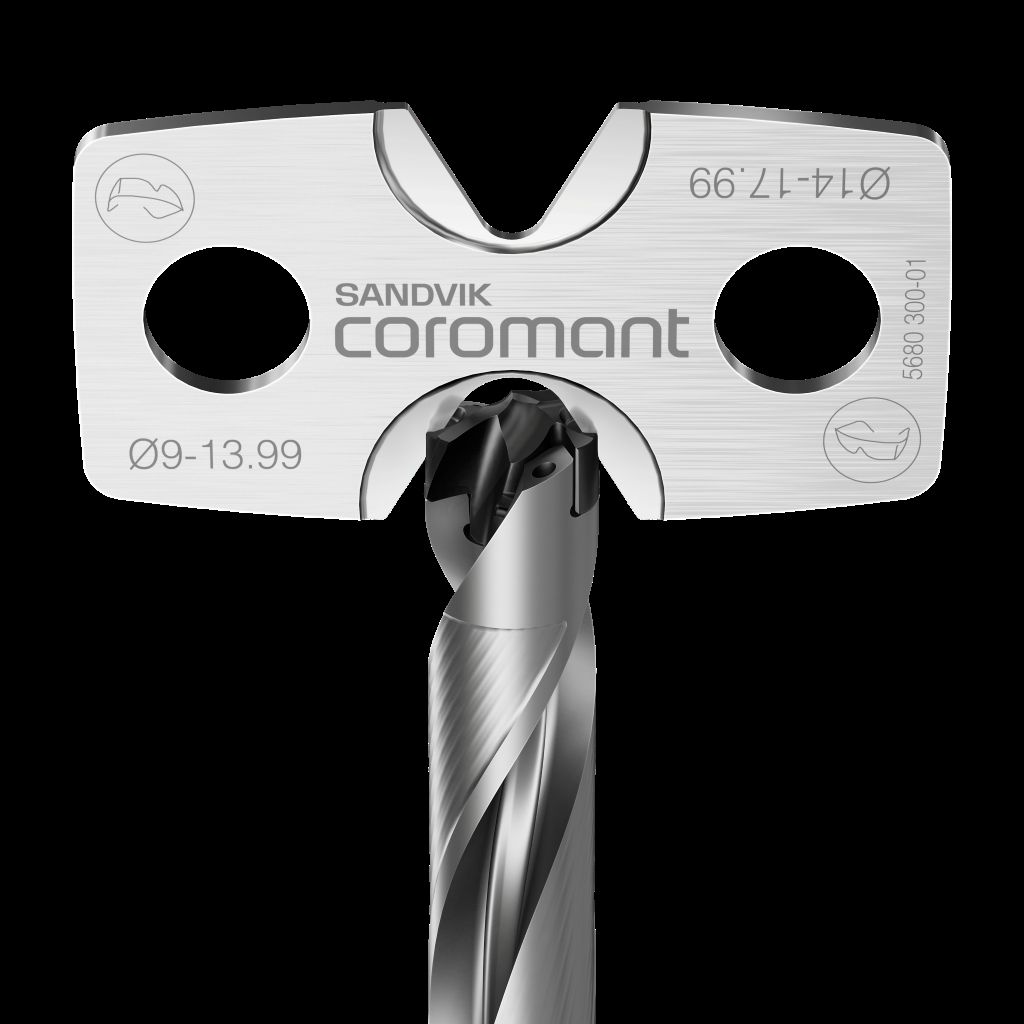
Even in tests with ISO-M materials, the CoroDrill DE10 was able to showcase its strengths. In Mebane (USA), the tool significantly outperformed a competitor's solution, achieving the best balance between accuracy, surface quality, and stability, while also exhibiting the longest tool life.
During the test, the CoroDrill DE10 delivered a precise hole diameter of 13.03 to 13.05 millimeters with a smooth surface quality of Ra 0.7 to 1.0 µm. It drilled over 52.5 meters without exceeding its tool life limit, while the other tools had already reached their wear limits at the same cutting length.
In Sandviken, the results with the ISO-M1 were once again convincing. While the competitive solution failed after just 53 meters and chip formation began to deteriorate, the CoroDrill DE10 drilled more than 76 meters and had not yet reached its maximum service life. The tool maintained the drilling diameter consistently at 13–13.02 millimeters, thus meeting the tolerance classes H9/H10. In contrast, the competitor's product produced slightly undersized holes ranging from 12.99 to 13.02 millimeters. Although this is only a minor difference, even the smallest deviations in hole size can lead to assembly problems in practice.
Conclusion
Bringing a new concept to market is one thing. Demonstrating its performance compared to other solutions, however, is always a special challenge. But the innovations behind CoroDrill DE10 not only sound extremely exciting, they have also proven themselves in practice. Thus, they are suitable for revolutionizing the production of holes in large quantities.
Contact: