
There is actually no such thing as a tool and mold maker. Hardly any other industry is as diverse. This presents manufacturers of precision tools with complex challenges. However, like all machinists, users from this industry are always interested in more productive, reliable, and precise tools. Process reliability and dimensional accuracy are the key characteristics.
"Tool and mold making requires tools for milling, drilling, turning, and broaching that work reliably and with high precision," says Thomas Mertel, product specialist for solid carbide tools at ISCAR Germany. "And in all conceivable materials - from aluminum to hardened steel to Inconel." Therefore, users need economical machining tools that can process both hard and soft materials - process-safe, precise, with long tool life and high surface quality.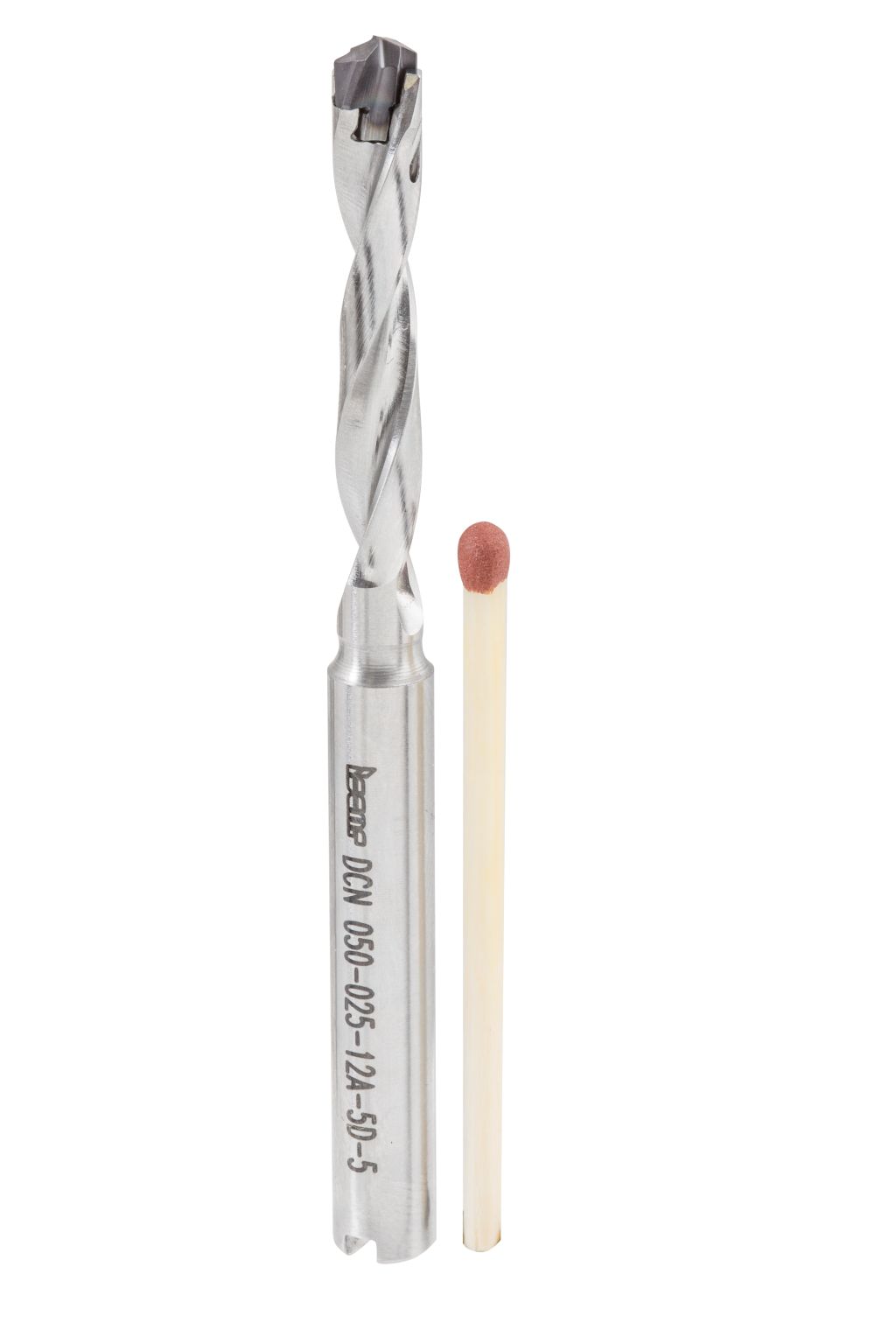
Dimensional accuracy meets reliability
"In the products of tool and mold making, dimensional accuracy with tolerances in the micrometer range is paramount," says Mertel. "Even a coating thickness of 2.5 to four micrometers can have a significant impact on the machining result." The tools used must work extremely precisely and enable excellent surface qualities during finishing, for example, through stable and robust designs as well as good vibration damping. "Since form tools often run for very long periods with the user and sometimes work with sister tools, reproducibility is a major topic," explains Mertel. "The sisters must match each other like two peas in a pod."
For high tool life and long engagement times, the tools are made from wear-resistant cutting materials. Temperature resistance also plays an important role, as the processes often run air-cooled. All this is made possible by the combination of the suitable substrate with an appropriate coating, such as TiAlN, PVD, or DLC, complemented by a matched cutting geometry, the right cutting data, and feeds. "And like all machinists, tool and mold makers value cost-effectiveness, flexibility, user-friendliness, and short setup times," says Mertel.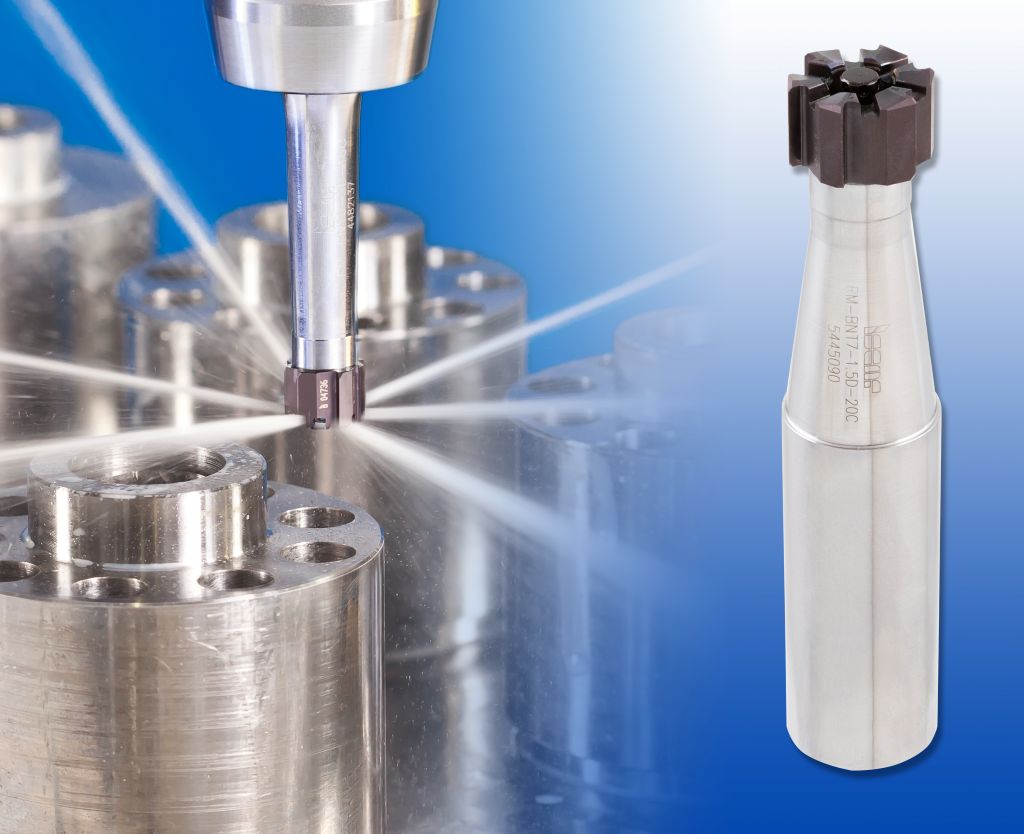
This is particularly important in tool and mold making, as usually small quantities, often even in batch size 1, are processed. "Modular systems offer great handling advantages here and practically reduce setup time to zero," says Mertel. "Additionally, users benefit from great flexibility, as they only need to change the milling head for a new task, for example." ISCAR offers a wide range of tools that are precisely tailored to the industry's requirements and have proven themselves in practice.
Processing a base plate from A to Z
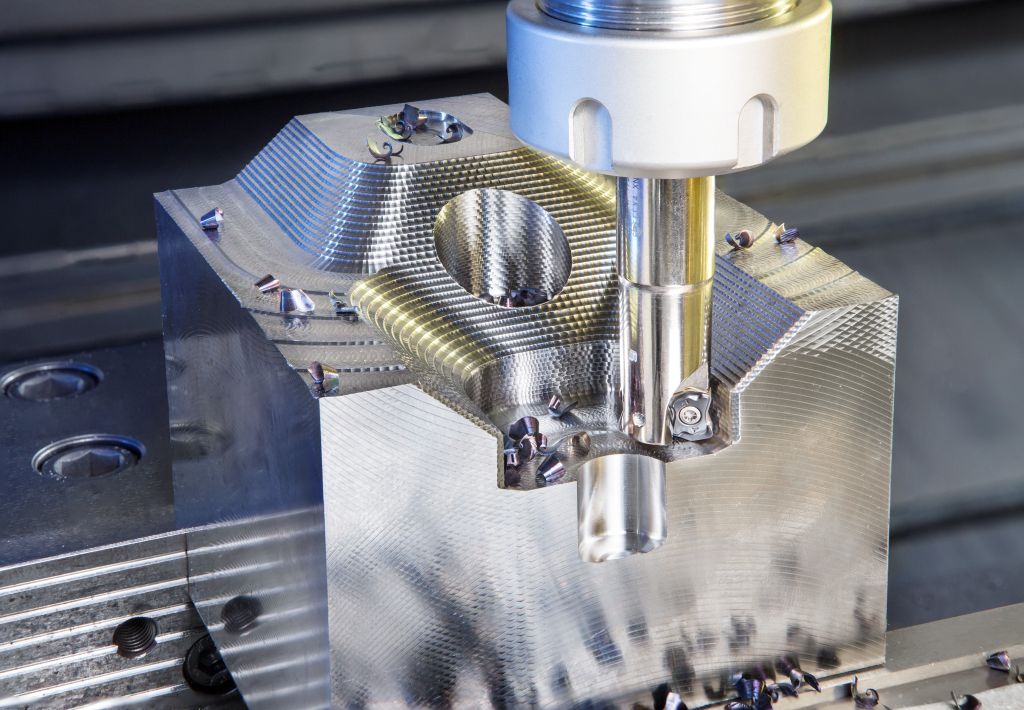
A user from mold making, for example, processes a complex base plate entirely with standard tools from ISCAR. For face milling, roughing, and profile milling, indexable insert (WSP) milling cutters from the HELIDO line are used, and for finishing, a DOVEIQMILL or TANGFIN milling cutter. A MILLSHRED with Weldon shank is responsible for cavities, and a CHATTERFREE solid carbide (VHM) milling cutter is used for pockets. Grooves are machined with a HELISLOT, and for corner milling, the HELII3MILL is the solution. Drilling can be done with tools from the CHAMIQDRILL, SUMOCHAM, and CHAMRING series or with an ITSBORE for reaming. SOLID-THREAD thread milling cutters, SUMOUNICHAM countersinks, MULTI-MASTER milling cutters with VHM indexable heads for chamfering, and the BAYO-T-REAM high-speed reaming system round off the tool package.
Process reliability in milling
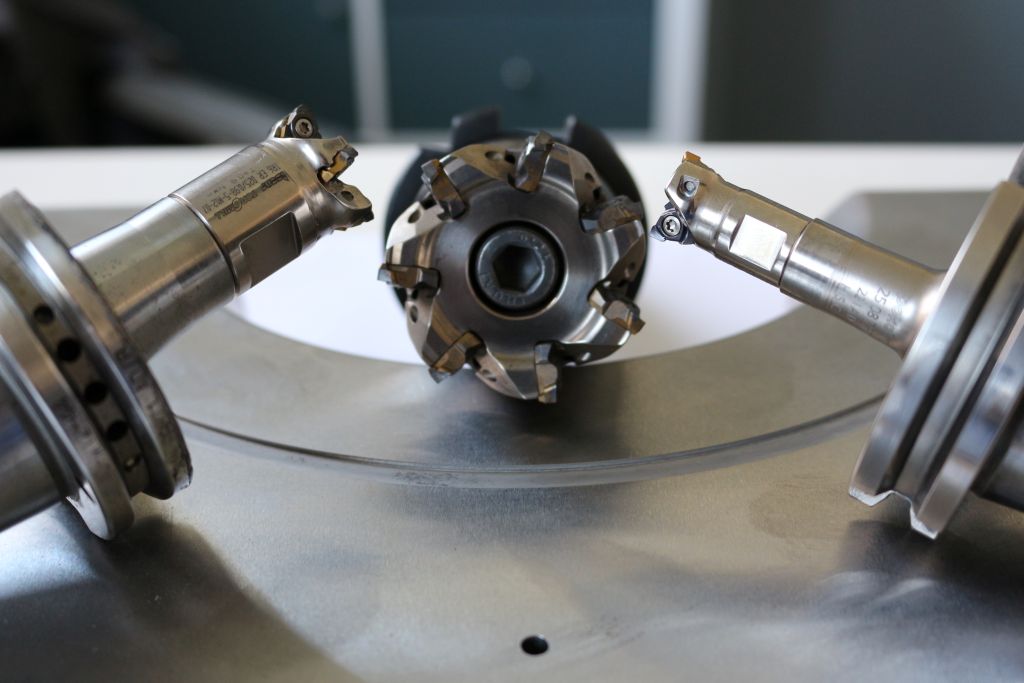
At Weko Werkzeugbau GmbH in Kierspe, for example, ISCAR's multifunctional milling cutter TOR6MILL shows its strengths: it ensures high process reliability and is versatile. The company processes alloyed and hardened tool steel for mold plates of injection molding machines in small series. Four things are particularly important: speed, precision, flexibility, and high surface quality.
The individual elements of the mold plate are processed on different machines and with different methods. With the TOR6MILL, Weko only needs one tool that can be equipped with the respective indexable inserts. For example, one element is provided with a hexagon on a CNC lathe. For this, the shank cutter with a diameter of 20 millimeters is used. This is equipped with 90-degree corner milling inserts in the wear-resistant cutting material type IC808. Another component can be finished by the toolmaker with standard WSP. "The flexibility of the tool and its process reliability until the end of the machining process are crucial for us," explains Michael Quast, managing director of Weko. "The machining is fast, the tool runs reliably. Additionally, my machines are quieter, which benefits work safety. And the tool life has also improved significantly."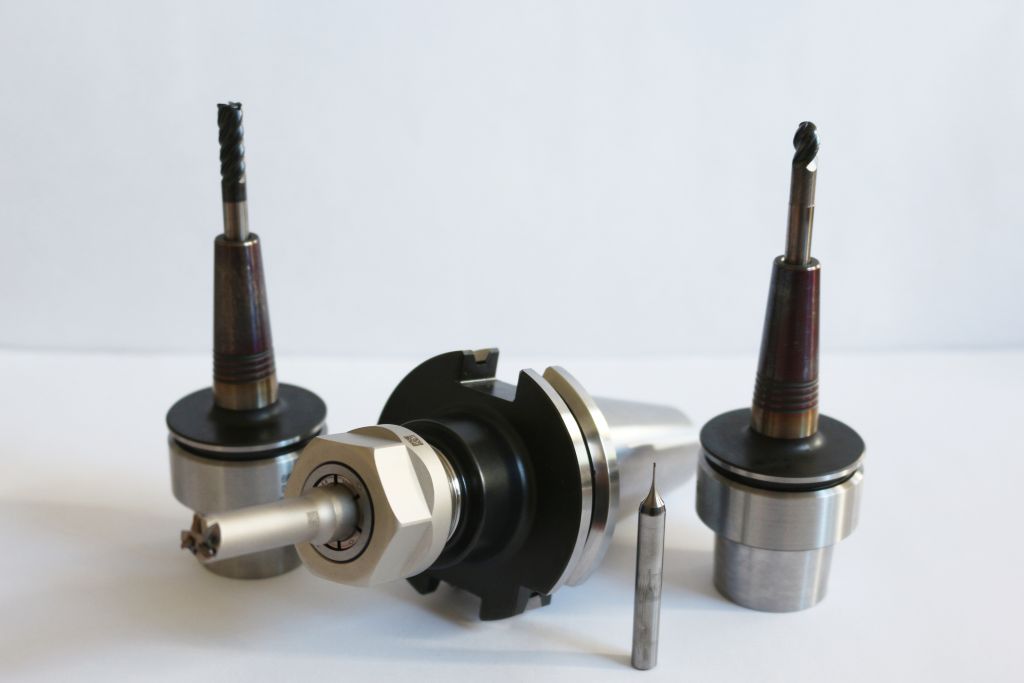
High surface qualities and fast cycle times
Oelfke Formenbau places great importance on the quality of its products. With ISCAR's NANFEED and SOLIDMILL milling cutters, specifically tailored to the industry's requirements, the manufacturer of injection molding tools achieves very good surfaces, fast cycle times, and long tool life with more process reliability. Thanks to the design and special geometry of the cutting edges, a lot of material can be safely removed with just one pass.
This allows for large roughing depths, and the user can already work out contours during pre-finishing with fewer passes. Additionally, the three-flute tool offers one more cutting edge than the standard. The result: the surfaces had such high quality after milling that Oelfke did not need to rework. The company can therefore process more parts in better quality in the same time, free up machine time, and save costs.
Contact: