
The roughing of output shafts made of alloy steel posed great challenges for WST Precision Technology: Short tool lives, lack of stability, and efficiency led to high costs and low productivity. With ISCAR's QUICKTURN from the new LOGIQUICK tool campaign and a new processing strategy, the company got the process under control.
WST Precision Technology GmbH in Löffingen in the Black Forest specializes in milling and turning parts and supplies the industry with complex, high-quality solutions. In addition to general mechanical engineering, many components go into the automotive and e-mobility sector. The company was founded in 1993 and currently employs more than 800 staff who produce turned and milled parts from almost all machinable materials, such as chrome-nickel steels, tool and automatic steels, as well as non-ferrous metals like aluminum, brass, and copper.
During the production of output shafts made of alloy steel C45E (1.1191) for customers in the electromobility sector, roughing caused dissatisfaction.
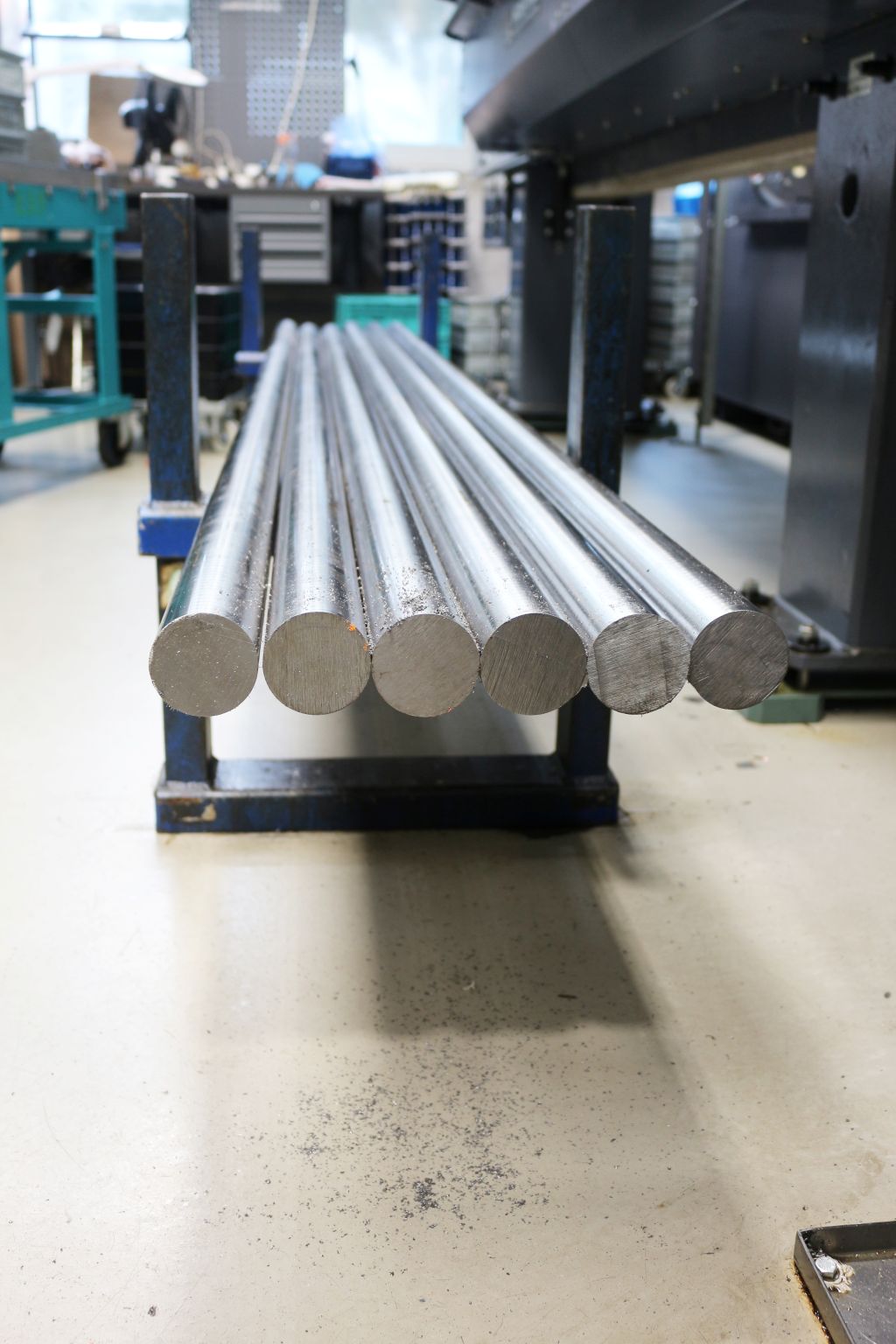
The previously used four-edged CNMG indexable inserts (WSP) from an ISCAR competitor offered only short tool lives, insufficient process reliability, and there was room for improvement in productivity. 'We roughened the bars with a diameter of 60 millimeters simultaneously with both turrets, at a moderate feed rate and classically from front to back,' explains Velibor Nisic from the setup preparation center at WST.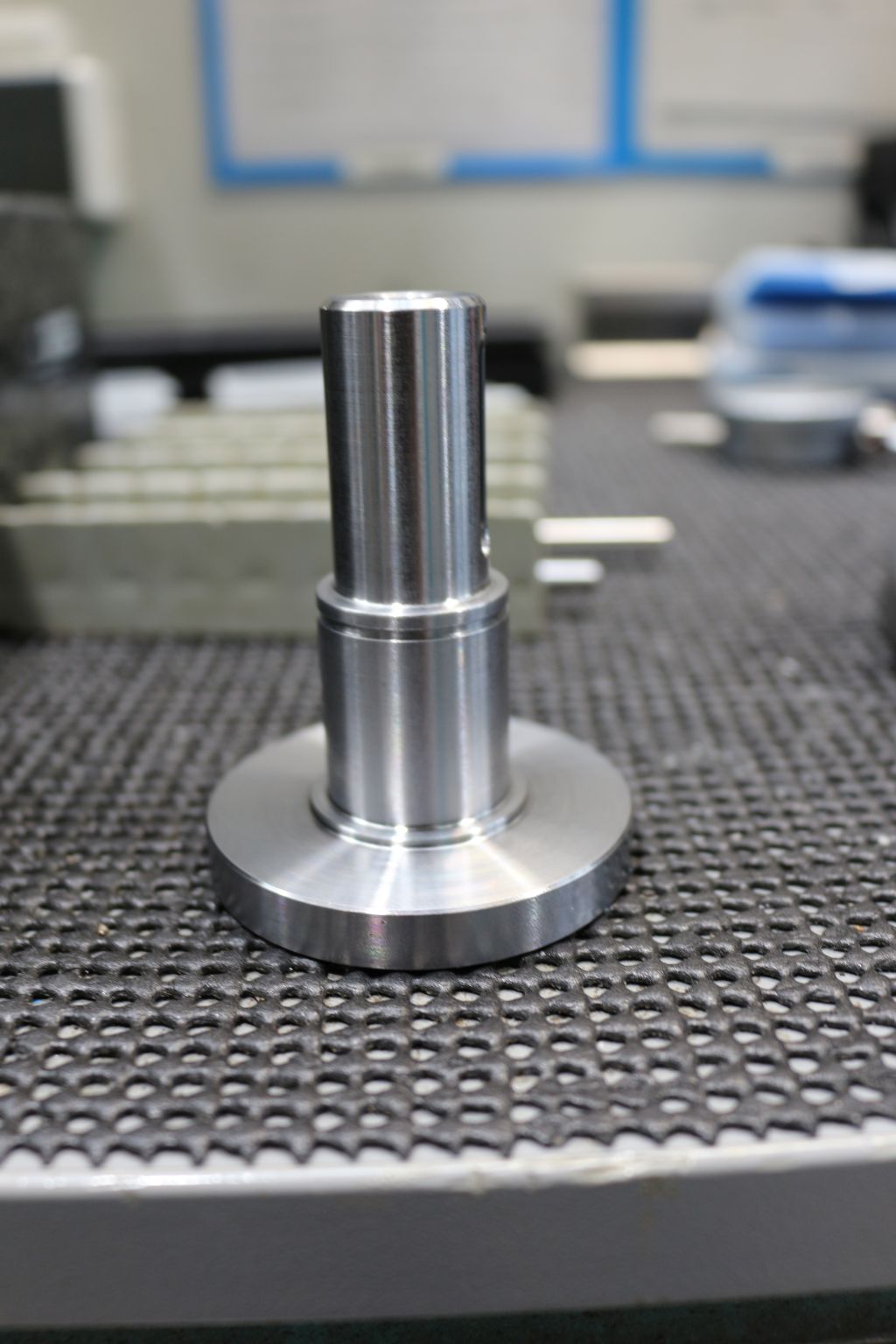
'The inserts couldn't handle it, and we had many tool breakages, some after only 60 or 70 instead of the nominal 100 parts.' Alexander Weber, process optimizer and programmer at WST, adds: 'In addition to the unstable process, the runtime was too long and sometimes inefficient. While the main spindle was still roughing, the secondary spindle was already finished.' Since WST produces about 100,000 of these shafts per year, a more efficient solution was needed.
LOGIQUICK brings the turnaround
'I knew that the WST team was dissatisfied with the external roughing of the output shafts, but I couldn't offer an economical solution until now,' says Danny Schrödel, application engineer at ISCAR, WST's long-time tool partner.
'Thanks to our new LOGIQUICK campaign, I now had the right tool with the QUICKTURN to improve the process.'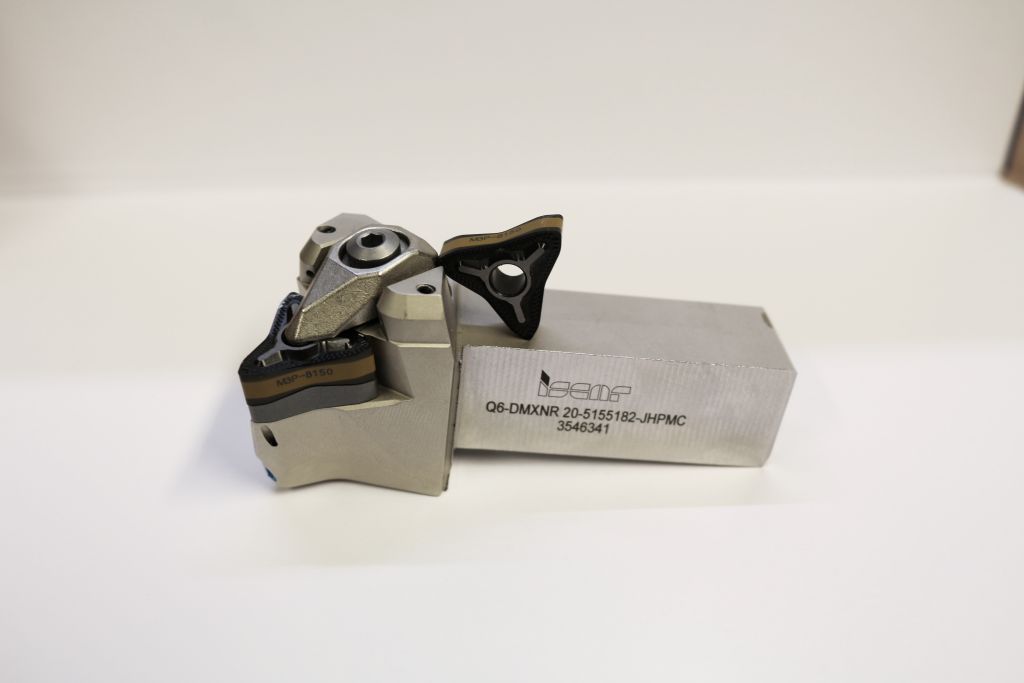
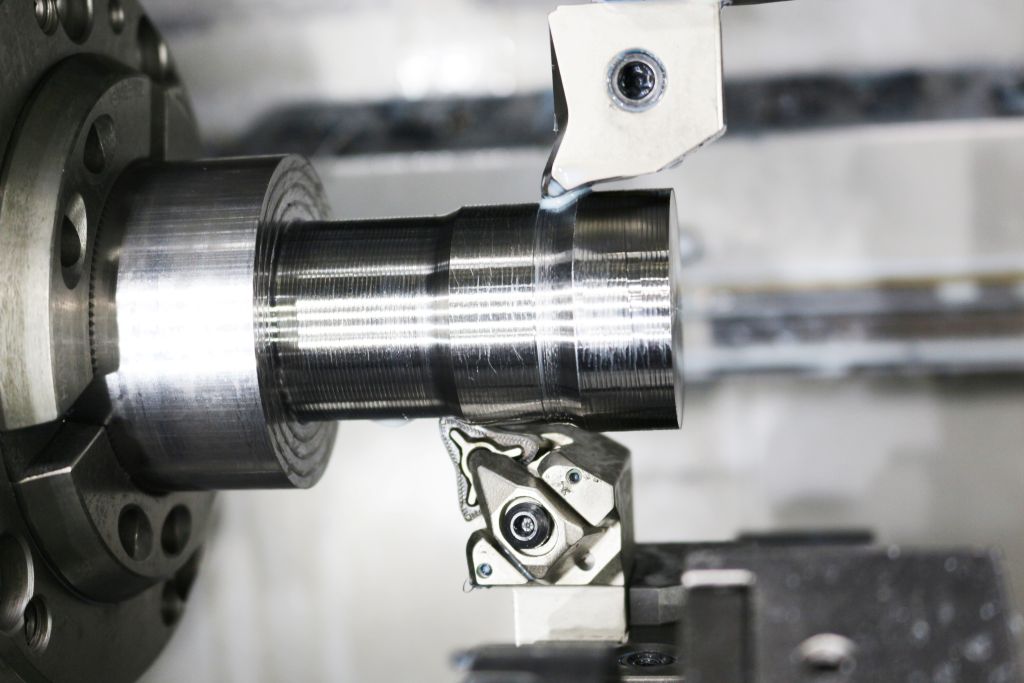
During one of their regular visits to WST, Danny Schrödel and his colleague Thomas Nopper, consulting and sales, introduced the new six-edged QUICKTURN for high-feed and multidirectional turning. 'The highlight of the QUICKTURN is its clamping system,' explains Thomas Nopper. The WSPs are equipped with v-shaped protrusions on both sides. Corresponding recesses in the holder accommodate these form-lockingly.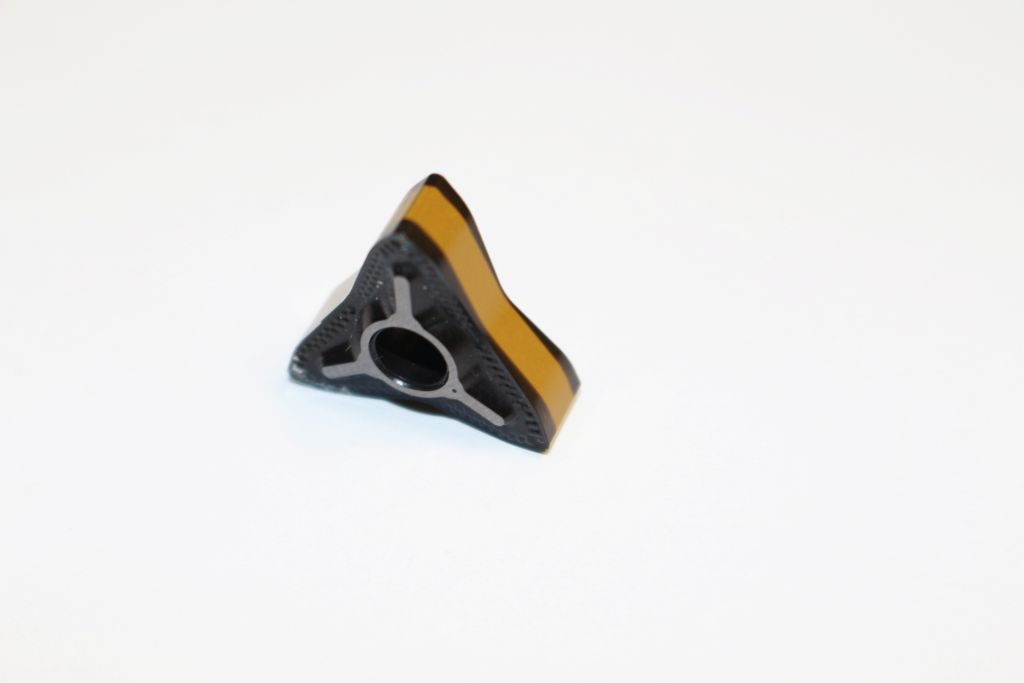
Additionally, a clamping claw fixes them from the top. 'This means the inserts fit perfectly and are extremely stable. This allows for play-free forward and backward turning with high feed rates – both on the x-axis and the y-axis.' The tool holders also feature targeted jet cooling, which brings the coolant directly into the cutting zone and cools the cutting edge from two sides simultaneously. Users benefit from very good heat dissipation, efficient chip evacuation, long tool lives, and high surface qualities with a large volume of time.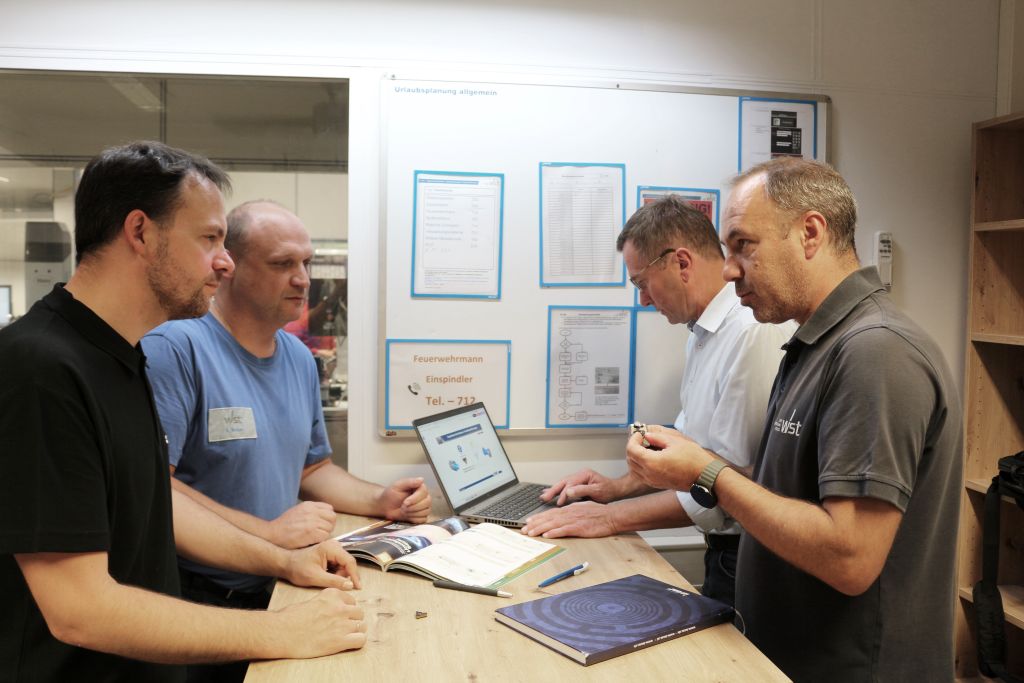
New process makes the difference
For the task at WST, the inserts in the tough TiCN/Al2O3 MT-CVD-coated cutting material type IC8250 with cobalt enrichment in the edge layer are used for high-feed turning. They are very resistant to chipping, notch and pitting wear, as well as plastic deformation.
'With the QUICKTURN, we also had a new processing option – the backward high-feed roughing,' says Danny Schrödel.
'Instead of just replacing the tool, we were able to jointly establish a completely new, faster, and tool-friendly process.'
'We are always looking for new ideas that make our work easier and advance our processes,' says Velibor Nisic. 'The proposal sounded reasonable, so I immediately agreed to the tests.' Alexander Weber created a corresponding program, and then it could begin.
Tool life doubled, process time halved
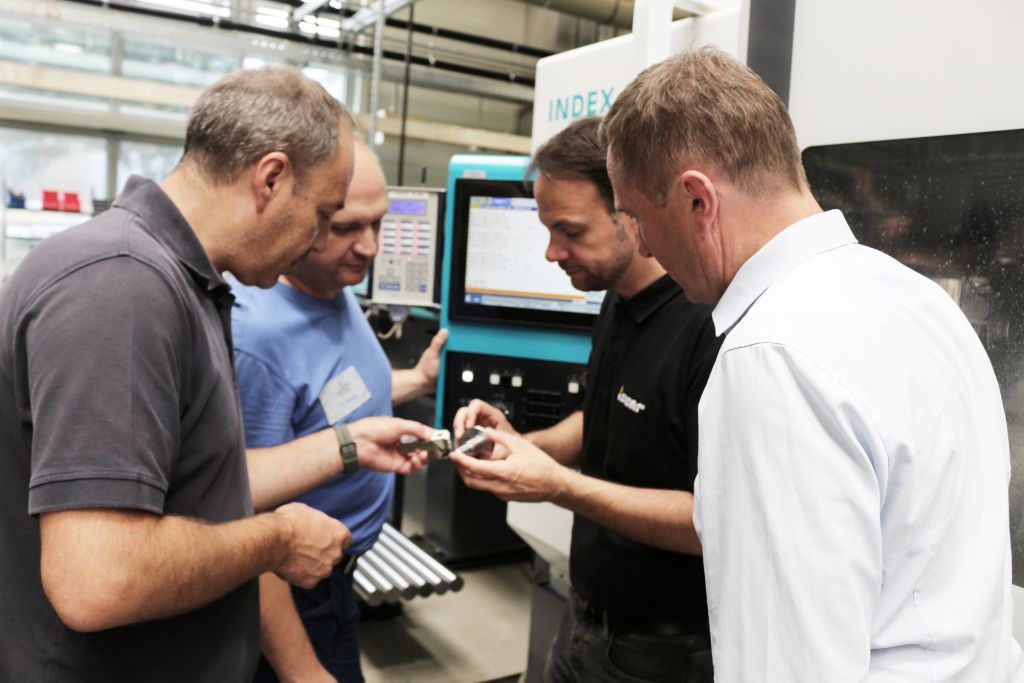
Previously, the team around Velibor Nisic and Alexander Weber simultaneously roughened the outer contour with both turrets in three cuts each. They turned with a cutting depth of 2.5 millimeters and a moderate speed of 160 meters per minute from front to back. This took about 26 seconds. With the QUICKTURN, WST can reliably turn backward with a cutting speed of 240 meters per minute. The tools then make five or six cuts with a cutting depth of 1.5 millimeters, but only need a total of twelve seconds.
'With the new solution, we not only halved the time for roughing and freed up machine time, but we also doubled the tool life and reduced our tool costs,' says Velibor Nisic. '200 parts per edge are reliably possible, tool breakage is no longer an issue, and we are working significantly more productively than before.'
Contact: