
In Großostheim, located in Lower Franconia, MAAG Germany GmbH manufactures systems for the plastics industry. For the machines, cutting rotors are needed, which with their carbide cutting edges are not dissimilar to the cutting tools of INGERSOLL WERKZEUGE GMBH, from which a novel disc cutter for machining the base body of the rotors comes.
With around 490 employees, the manufacturing site founded in 1967 in Großostheim looks back on a long company history. MAAG Germany belongs to the MAAG Group based in Switzerland, which has been part of the US-based Dover Corporation since 2010. The past years have been characterized by steady growth. This resulted from the acquisition of other companies, but also from the good economic situation, which favored high organic growth. During this phase, MAAG invested heavily in new machines and systems as well as automation to remain competitive in the long term.
In the industrial process chain, the machines from MAAG follow the mixing of the raw material as granulate and the melting of the mass in an extruder. After the plastic has been pressed through the systems and filtered, depending on the process, plastic strands or pellets come out at the back, which are delivered to the processing industry as a starting product.
Various granulation systems
According to customer requirements, MAAG provides various designs of its machines. This includes underwater granulation, where plastic strands are cooled in a water bath and cut off at the end in a cold state. The hot cut, on the other hand, can be imagined like a large meat grinder, through which the plastic melt is pressed and finally cut by a rotating knife.
"There are many standard components in our systems, but we are still a special machine builder, as all systems are specifically designed for the needs and specific applications of our customers," explains Heiko Werp, Team Leader Milling & Turning at MAAG. According to his assessment, most plastic products found on the market have probably passed through a MAAG system as raw material at some point, making it the world market leader in this area.
Location with high manufacturing depth
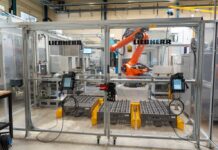
One strength of the Großostheim site is its high manufacturing depth. "Except for heat treatment, we do everything in-house," says Werp. For milling, turning, grinding, painting, and polishing various components, a modern machine park with over 30 machines is available on a production area of 4,200 square meters. Because water always runs through the machines, stainless steels are preferably processed, often chrome steels and nitrided steels.
What distinguishes MAAG from other machine manufacturers is the extremely high surface quality that must be achieved here so that the plastic can flow as smoothly as possible. Very fine surface qualities are therefore not uncommon in production. While every component is attempted to be produced as well as possible from the machine, for the perfect finish, manual polishing is occasionally still necessary.
A second production hall is expected to be put into operation soon. This will allow parts for other MAAG locations to be manufactured at the Großostheim site and the spare parts business to be better served.
Improvements with a system
In Großostheim, it is noticeable that MAAG is run by a US company. This includes compliance with safety regulations as well as a well-organized improvement management. A dedicated OPEX manager initiates improvements in processes, standardizations, and quality issues.
Heiko Werp supports the targeted cost reductions: "Because we increasingly have to deliver more parts, we are also constantly looking for improvements. Standard parts are particularly important, of which we produce many each year." The focus is on components where MAAG encounters limits with the existing tools during processing.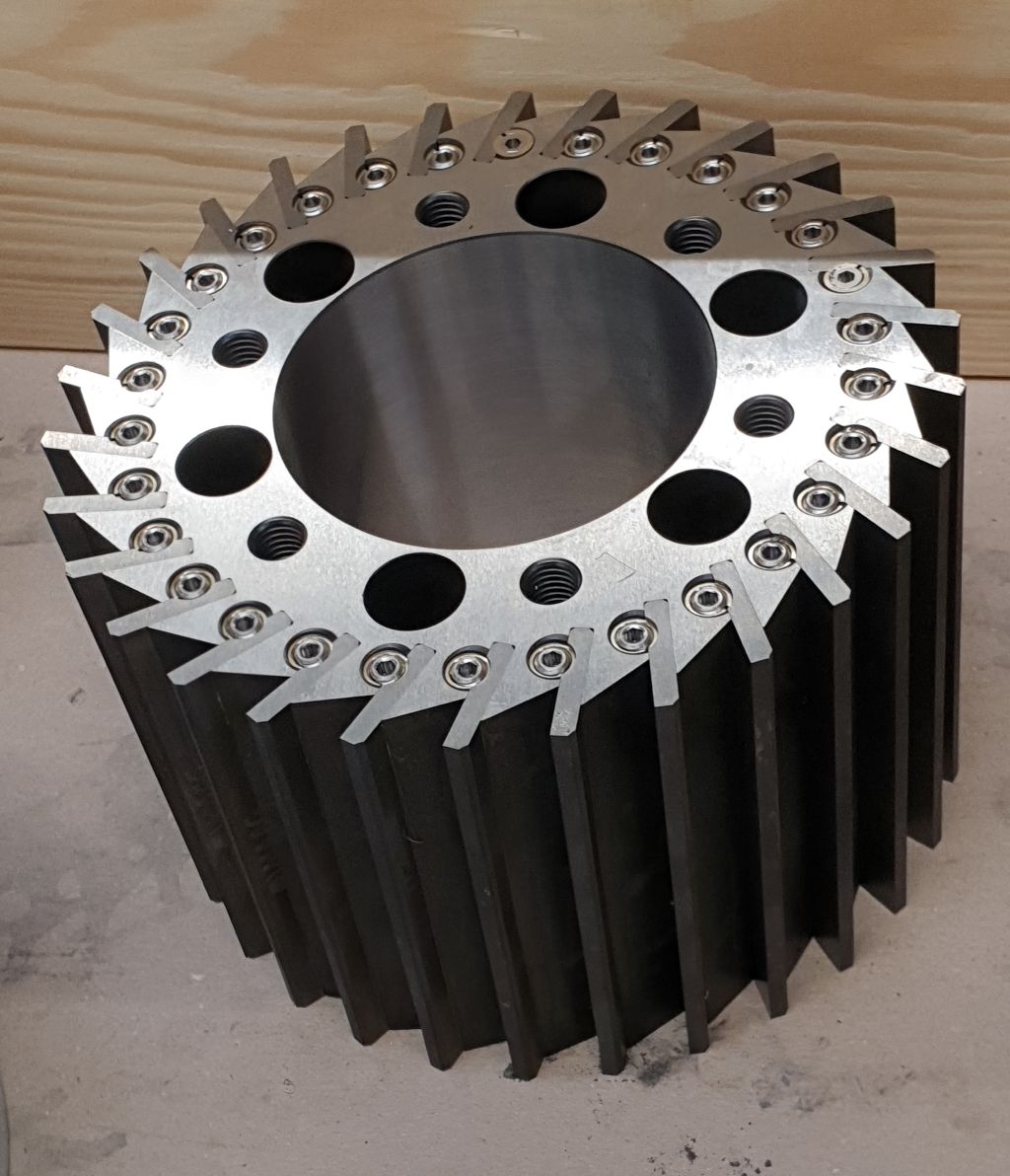
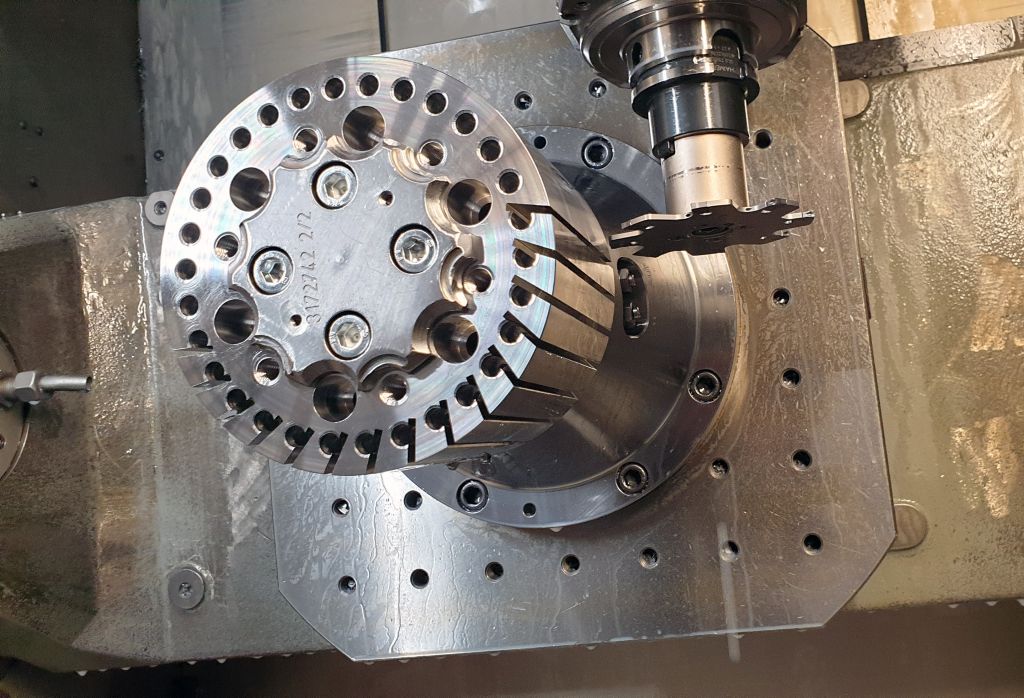
When Bruno Koch, technical consultant at INGERSOLL, came to the company with the new WinCut disc cutter and presented improvements for machining a cutting rotor, the manufacturer immediately became alert. The component consists of a rotor disc made of chrome steel, equipped with several carbide cutting edges to cut the plastic. The manufacturing process has been running at MAAG for 25 years and has so far been carried out with a disc cutter equipped with screwed indexable cutting inserts. Particularly interesting for MAAG: A higher number of pieces of the component is produced annually, making any time savings in production significantly noticeable. The relevant machining step involves milling the grooves for receiving the carbide blades.
Stable cutting edges and inner values
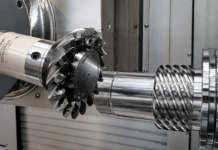
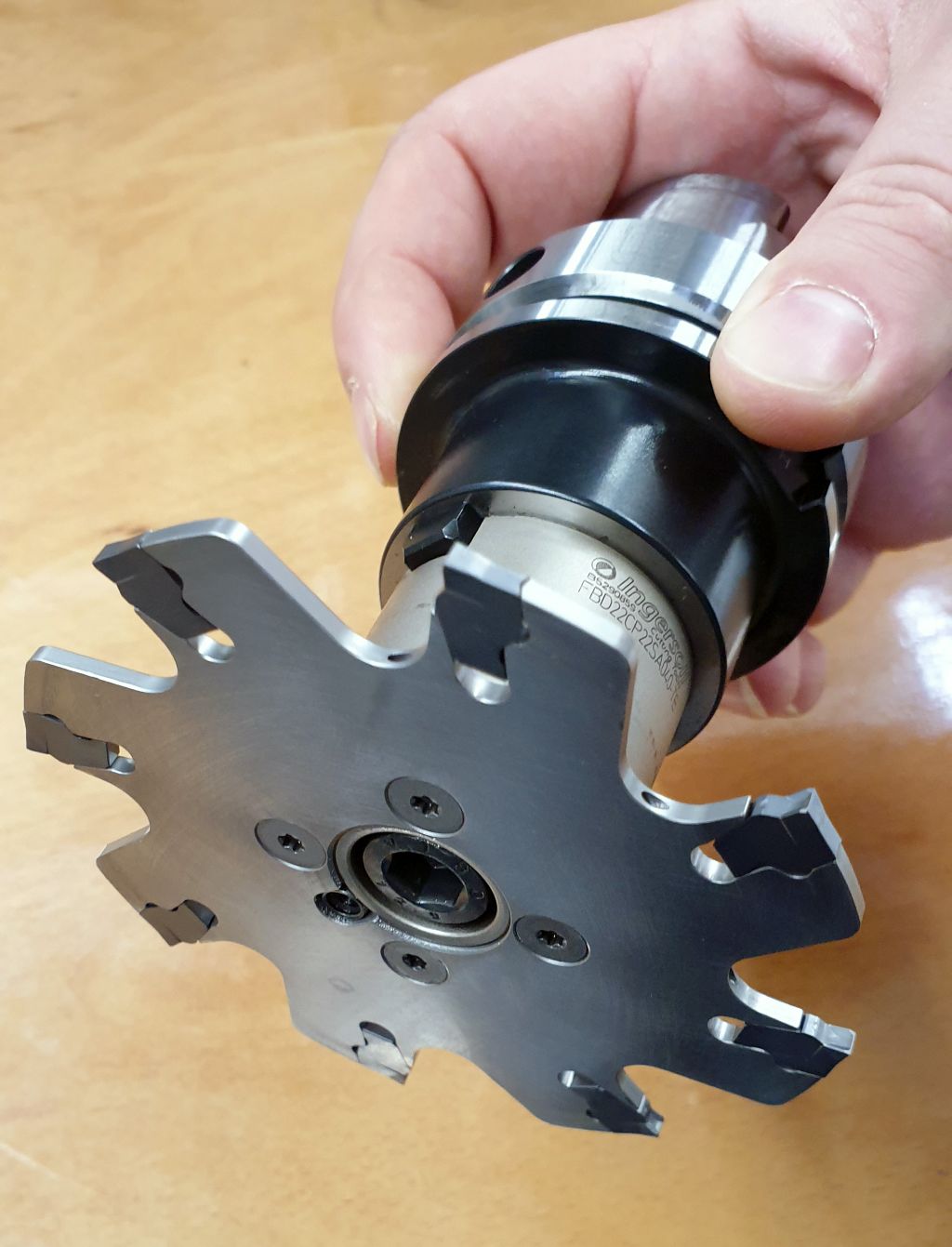
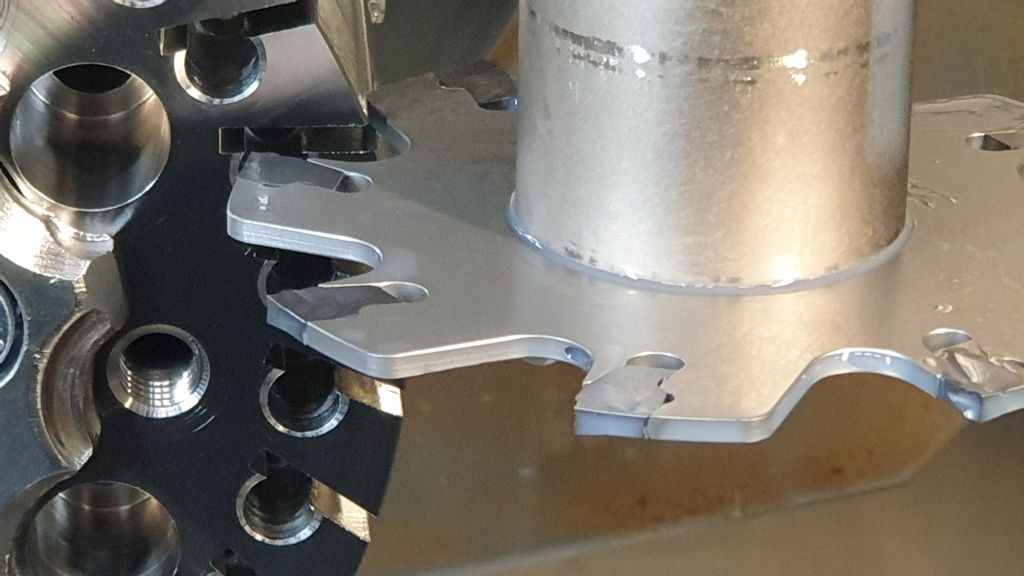
Initially, Heiko Werp noticed the cutting edge geometry of the new tool. The same stable cutting inserts SFC/SFJ 3 are used, which INGERSOLL already employs for its innovative WinCut parting and grooving tools. The form-fitting insert seat allows for previously unattainable chip removal rates and also masters rough applications. The cutter is flat and executed without interfering contours on the front side. The inner values of the WinCut are not immediately recognizable: it is made via 3D printing and features twisted cooling channels that direct the coolant precisely to each cutting edge.
"We always like to test new tools because we are trained to drive improvements forward," confirms Werp. MAAG and INGERSOLL have a long-standing partnership with active exchange. The tool manufacturer has repeatedly equipped the production with new indexable cutting inserts, which allowed for faster and thus more economical work. This time, the WinCut brought the machine manufacturer a significant step forward, as was already evident in the first tests in Großostheim.
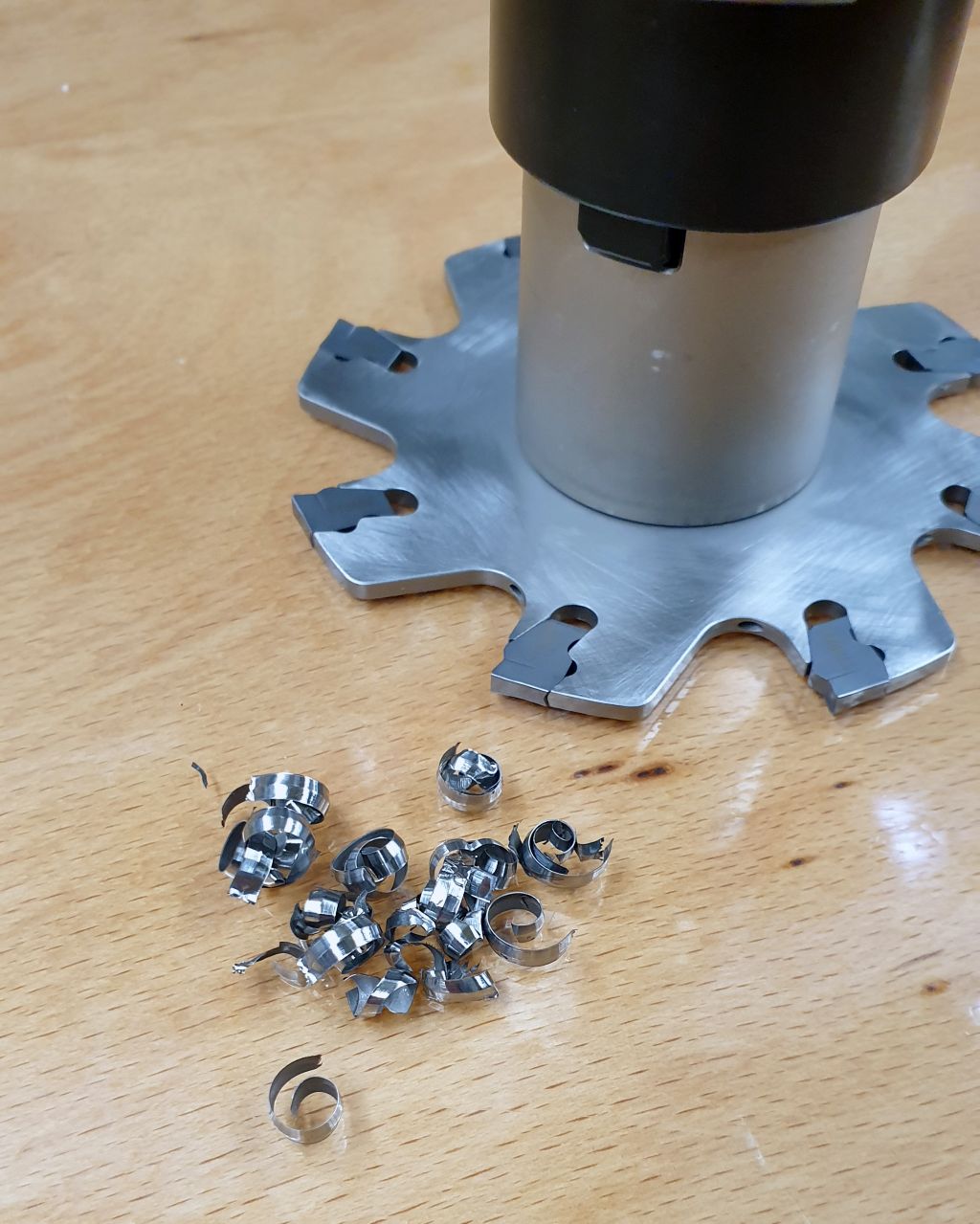
MAAG uses the 3 mm wide disc cutter as a roughing cutter for preparing the groove, which is then finished to the final dimension of 4 mm with a solid carbide disc cutter. The WinCut was able to halve the machining time for milling the 30 grooves compared to the previously used tool: instead of 40 minutes, only 20 minutes are needed for the component. The efficient cutting geometry, combined with optimal internal cooling, allows for significantly higher cutting values. Heiko Werp is pleased with the improvements achieved: “The new tool brings us immense progress. The faster machining contributes to cost reduction just as much as the higher tool life.” While the old tool was able to produce one workpiece reliably, the WinCut can now safely finish two rotor discs. This is important for MAAG because production runs in two to three shifts and also occurs unmanned at night.
Contact: