
Recruiting young talent has become a major challenge for industrial companies – this also applies to the members of the Association of German Turned Parts Industry. They are developing strategies to inspire young people for apprenticeships.
For the companies in the turned parts industry, stabilization is on the agenda this year. To achieve this, manufacturers of precision turned parts need not only experienced professionals but also motivated young employees. Unfortunately, these are hard to find – interest in vocational training has significantly declined in recent years, with many opting for university studies instead. Particularly technical professions like machining technicians are increasingly less appealing to young people, even though they offer solid prospects and good development opportunities.
The Association of German Turned Parts Industry provides support in the search for young talent: "We focus on exchange and joint actions in all matters," says association managing director Werner Liebmann. "In short videos, the profession of machining technician is explained in a practical way. This provides companies with a new tool for recruitment."
Investment in the Future
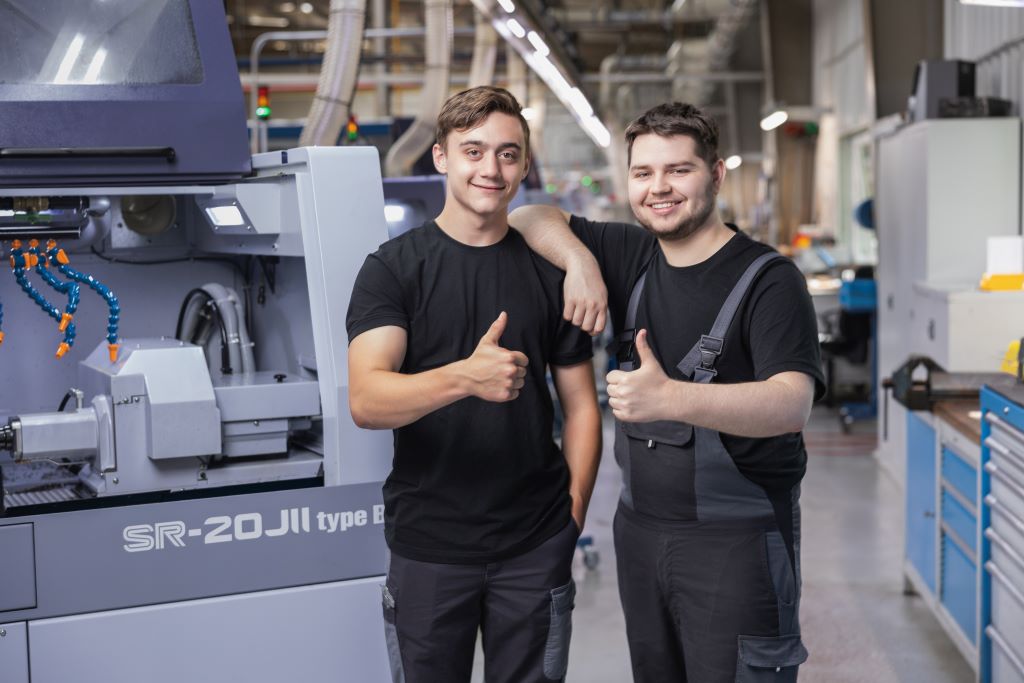
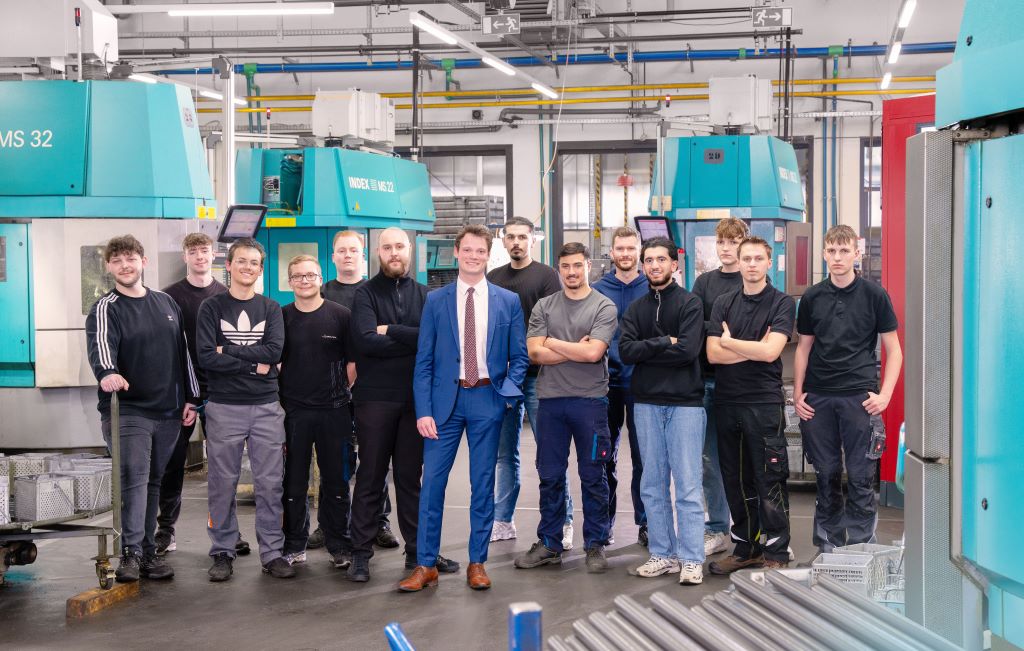
While some association members complain about a lack of young talent, others have filled all their apprenticeship positions. What is the reason for this? The successful companies are those that do not give up the search despite the high effort and actively engage in marketing. Anja Peplinski, managing director of Feindreh GmbH, explains: "Training our own skilled workers is extremely important to us. This is a central measure to meet our future personnel needs from within our own ranks."
Simon Heil, managing director of Grieshaber, also knows: "Training and further education is the most promising and sustainable way to invest in the future." Heinrichs & Co. KG also pursues a clear goal: "Our concept is to work exclusively with skilled workers and to conduct the training entirely in our company. This commitment is highly valued by us," emphasizes managing director Kathrin Heinrichs.
Diverse Outreach
The turned parts manufacturers use various channels: from classic online job boards to social media and even cinema or poster advertising. "Collaboration with local schools is our most valuable opportunity for recruiting apprentices," explains Julius Klinke. He offers company visits, internships, or technical projects where students get a first impression of a future apprenticeship. The managing director of the company of the same name has good experiences with a 60-second application process on social media. Volkmar Sauer from SUSA S. Sauer can also inspire students for an apprenticeship through internships, holiday jobs, trade fairs, or even lessons.
For Anja Peplinski, apprentice fairs in the local area have been the most successful tool so far. "There we set up a Carrera track, which playfully introduces the young people to technology – because turned parts are also used in model cars. In a relaxed atmosphere, we give them a sense of collegial cooperation in a family business." At Heinrichs, trade fairs and school collaborations are also the right forums, and the company uses Facebook, Instagram, and even magazines to reach young people. Simon Heil also mentions collaborations, projects, and sponsorships with youth departments of clubs as additional opportunities.
Convincing Arguments
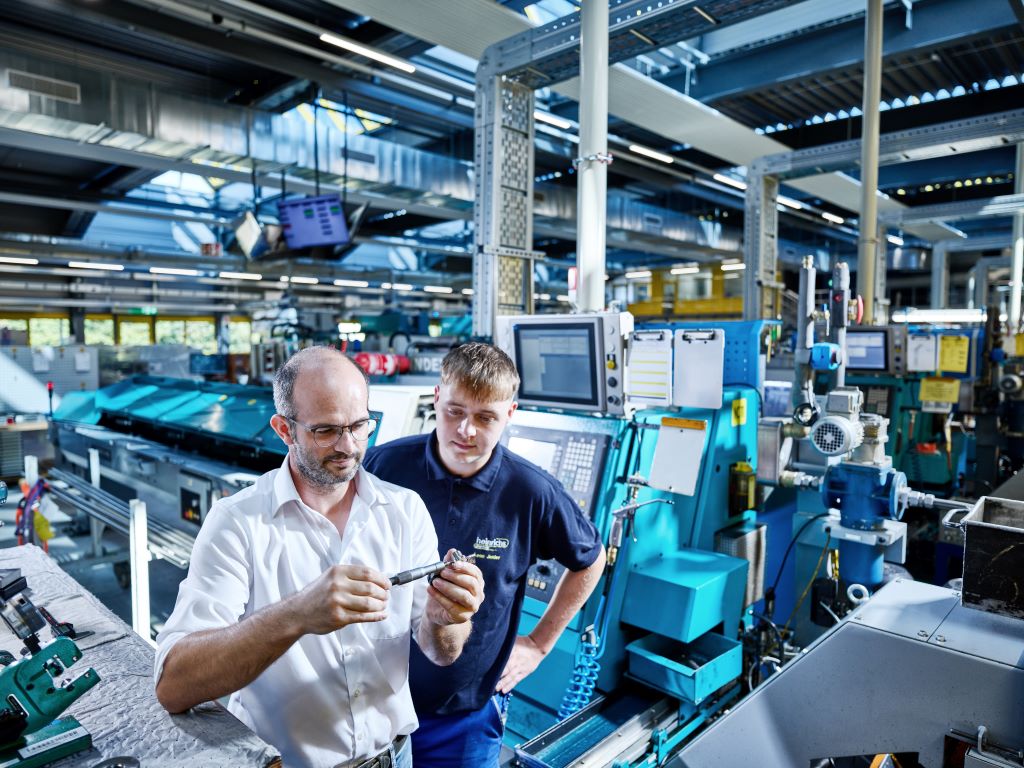
To attract young talent, companies rely on clear messages such as security, development prospects, and a good working environment. The member companies of the Association of German Turned Parts Industry make it clear what matters. "With an apprenticeship, good money is earned from day one," emphasizes managing director Volkmar Sauer. Especially in the commercial-technical sector, the qualification ensures a stable professional future: "As a skilled worker, you have a crisis-proof and future-proof job," adds Julius Klinke. Kathrin Heinrichs reports:
"The combination of modern technology, precise machines, and a good working atmosphere is convincing. Also, the enjoyment of practical work is a decisive factor for many."
Personal support, flat hierarchies, and close teamwork are everyday realities in most companies. Anja Peplinski specifically promotes mentoring by experienced employees and direct contacts. Julius Klinke also confirms: "In our company, the term family business is lived. We are in close contact and listen to each other."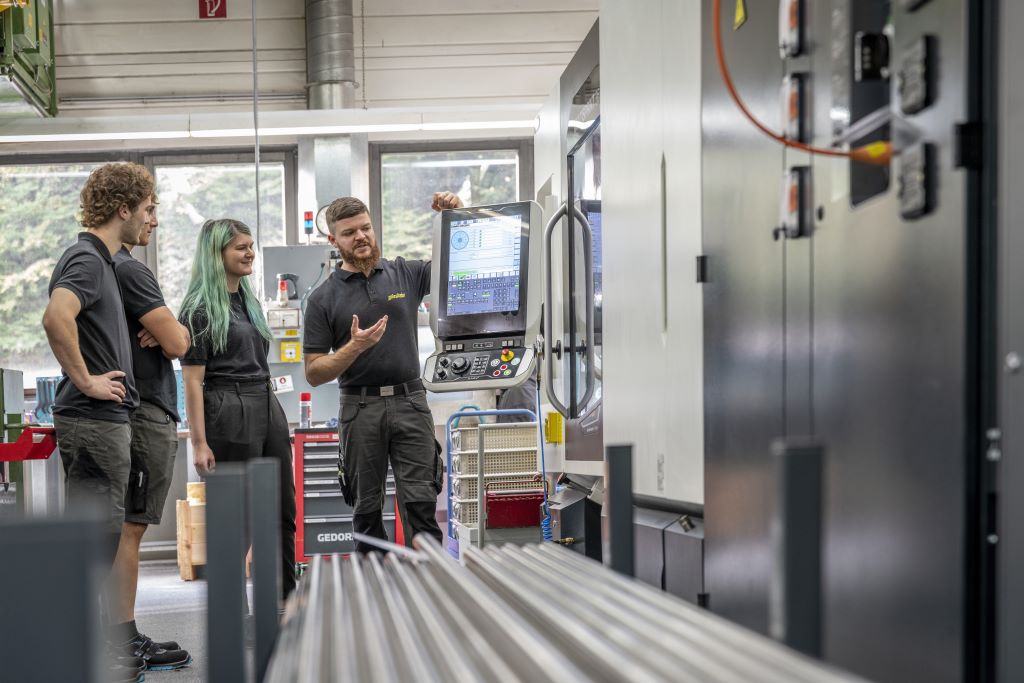
Whether further training as a technician, master craftsman, or a dual study program – many companies offer their apprentices a guarantee of employment for good performance and gradually assign responsibilities under the motto "not just demanding, but also promoting." Simon Heil explains: "Our employees have different opportunities – from professional training to personality analyses to long-term development planning." He sees the apprenticeship as the foundation for further career advancement. "In our education system, all doors are then open."
Conclusion
The turned parts manufacturers specifically invest in the training of young people – not only out of necessity but out of conviction and with an eye on the future. They rely on a mix of school collaborations, direct outreach, digital formats, and personal support. As employers, they offer clear development prospects and a family-like environment that focuses on reliability, practical relevance, and teamwork. At the same time, they demand better framework conditions: more career orientation in schools, greater societal recognition of skilled trades, and less bureaucracy in funding programs. "To effectively address the shortage of skilled workers, a mental shift is required," summarizes Werner Liebmann. "Moving away from a one-sided focus on academic degrees towards valuing practical training and professional diversity."
Contact: