
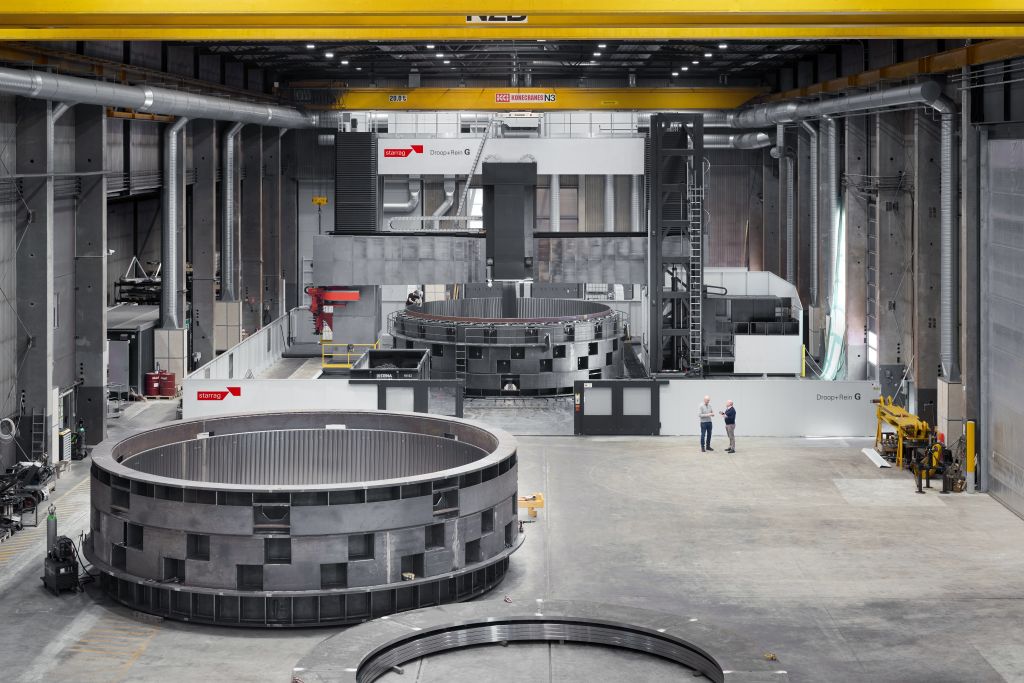
The Danish family business is now equipped for the future of wind power: It can process huge rotor housings and brake discs for offshore wind turbines in the 14 to 15 megawatt class even more efficiently and precisely.
The small town of Rødekro in southern Denmark, near the German-Danish border, is developing into a logistical hub for the offshore wind industry. Its proximity to the port of Esbjerg, the leading offshore wind hub in Northern Europe, as well as the ports of Aabenraa and Sønderborg enables efficient transport routes for wind power components. A current example of sustainable logistics is the close collaboration between HACO and SM Industrie A/S, a leading provider of steel wind power components. The new machine duo is being used in a hall on the premises of SM Industrie.
Machine duo with unified operation
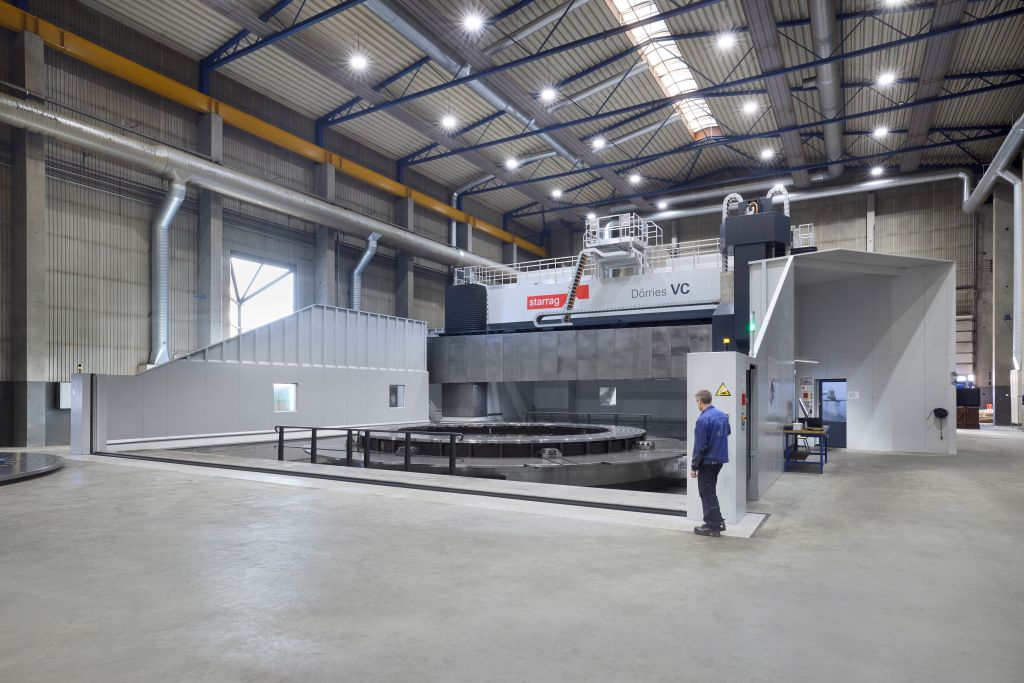
Since the beginning of 2024, a large Droop+Rein gantry machine with a movable portal has been in operation, capable of flexibly machining very large workpieces in a single setup. Recently, it has been supported by a similarly large Dörries portal machine with a fixed portal and movable base. Despite all the differences, both machines are based on the same core components, simplifying maintenance and operation.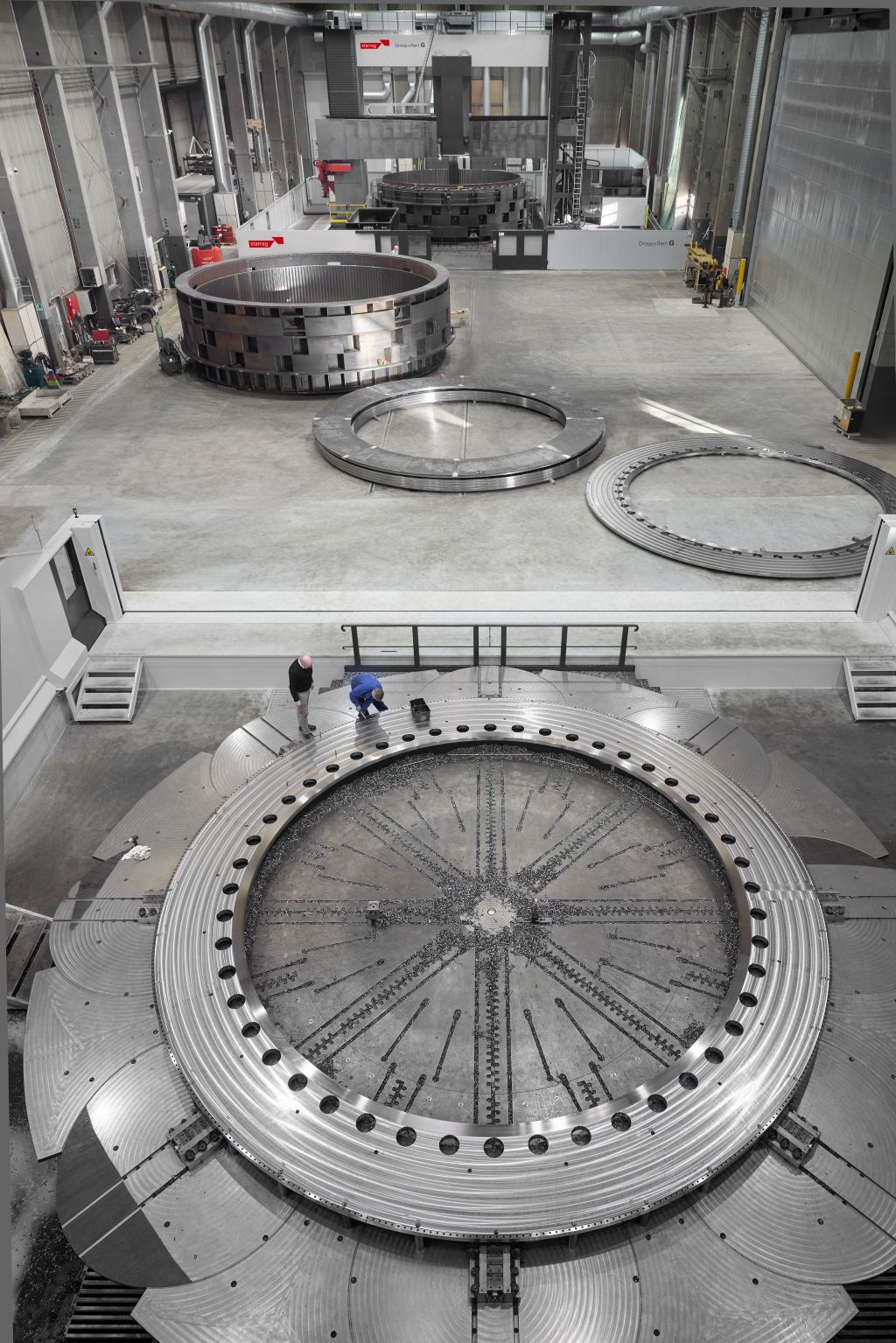
The new large portal machine significantly expands HACO's machining area. Thanks to the improved main drive and the increased workpiece circulation diameter, it is now possible to manufacture more massive, welded rotor housings as well as other large components with precision. "Our two large machines – two true giants – are now in production," says Hubert Erz, who has been supporting the southern Danish contract manufacturer for over a decade as Senior Consultant Sales/Renewables at Starrag. "This sets a new benchmark in the machining of workpieces for gearless wind turbines in the 14 and 15 megawatt classes. The focus is primarily on rotor housings, i.e., generator housings, and brake discs, both of which currently reach a diameter of around 9,000 mm and are manufactured within a tolerance range of +/- 0.1 mm."
When the specifications demand high precision...
This is where precision comes into play: The wind power industry typically demands tight tolerances in its specifications for large components such as rotor housings and brake discs. "Regardless of the machine size, it is essential to precisely calculate and dimension the main components using modern constructive tools," explains Erz. "We achieve the first static compensation already in the shaping process."
In addition, finely adjustable mechanical components and final electronic fine corrections, as well as a precisely designed machine foundation that considers static and dynamic loads, are included.
Precision stands and falls with automation and control. However, for HACO, production safety and continuity are also paramount. Therefore, the family business consciously opted against the latest Siemens control system. Instead, Managing Director Henning Albrechtsen relies on the proven version: "We trust in established technologies. This not only ensures production safety but also the flexibility of our employees."
Safety first: Simulation of complex machining processes
The managing director instead invested in programming and simulation. New post-processors with an integrated simulation module from the British Starrag subsidiary TTL allow his team to create NC programs at the main plant and simulate the machining process, including measurement programs, in advance – an approach that significantly increases productive machine runtime. Additionally, the second machine received a modern magazine concept with automatic loading and unloading of tools, as well as six machining heads for turning, milling, and drilling, enabling flexible and precise machining of large parts in a single setup.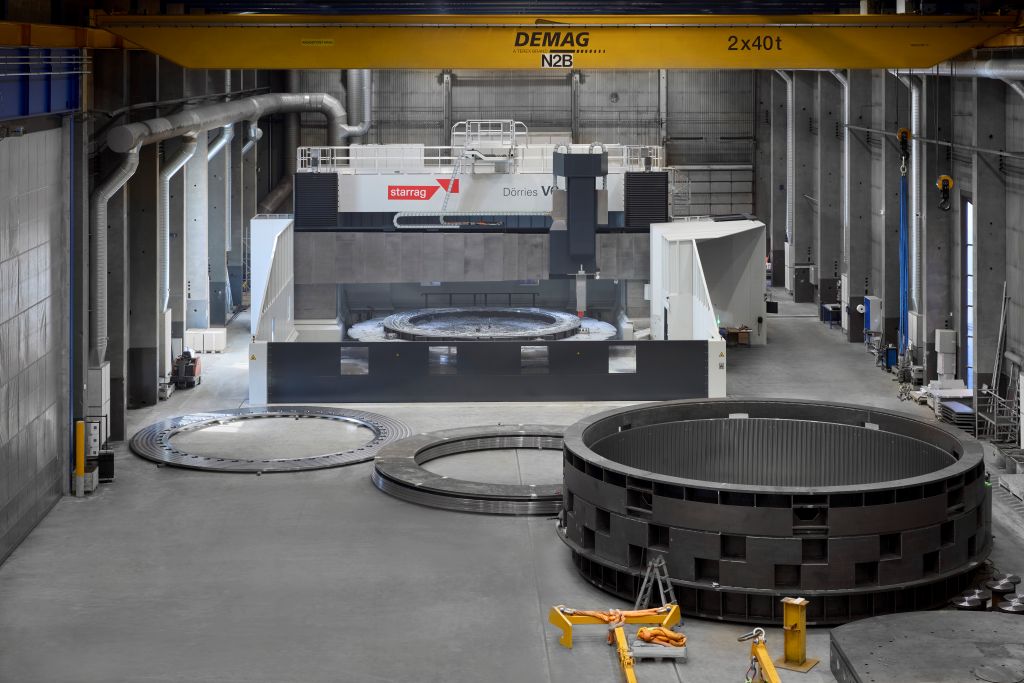
The two machines, each weighing 870 tons, required a foundation that could withstand the enormous static and dynamic loads, ensuring precise machining. Therefore, Starrag took comprehensive assembly and handling precautions during the design phase to ensure the transport and precise alignment of the massive components. A key element is the two-story basement, which serves as a stable base and facilitates access to central components.
HACO and Starrag also tackled this challenge together. The client is satisfied: "We integrated aggregates into the foundation, so the noise emission was almost eliminated – a clear advantage for work quality."
Sustainable concepts for the wind power industry
The new machine duo was developed in the Starrag business unit LPMS (Large Parts Machining Systems) – a unit that specializes in innovative manufacturing solutions for large parts and adheres to the strict criteria of the VDMA label BLUECOMPETENCE. This also had a sustainable impact on this project.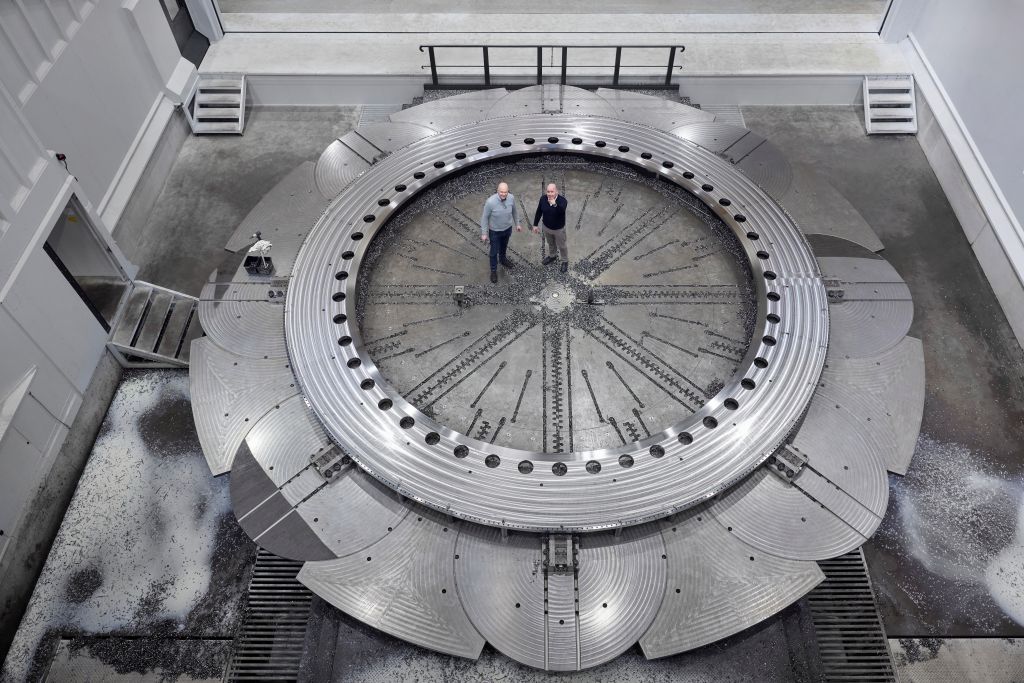
Modern, energy-optimized components, advanced drive technology, and the feedback of excess energy ensure reduced energy consumption at HACO's plant in Rødekro. These measures lower material consumption, reduce waste, and optimize energy use – a competitive advantage for companies focused on sustainability.
Take two: Machine duo sets benchmark
The investment in two large machines offers excellent opportunities for machining today's and future large components in the wind industry and other sectors. The deliberately chosen flexible design and equipment of both machines impose virtually no limits on the machining of large components. Erz: "The courage of Henning Albrechtsen and his team is now paying off. Together, a new plant was created, with which our Danish customer can sustainably, efficiently, and reliably manufacture future, larger generations of wind turbine and XXL components."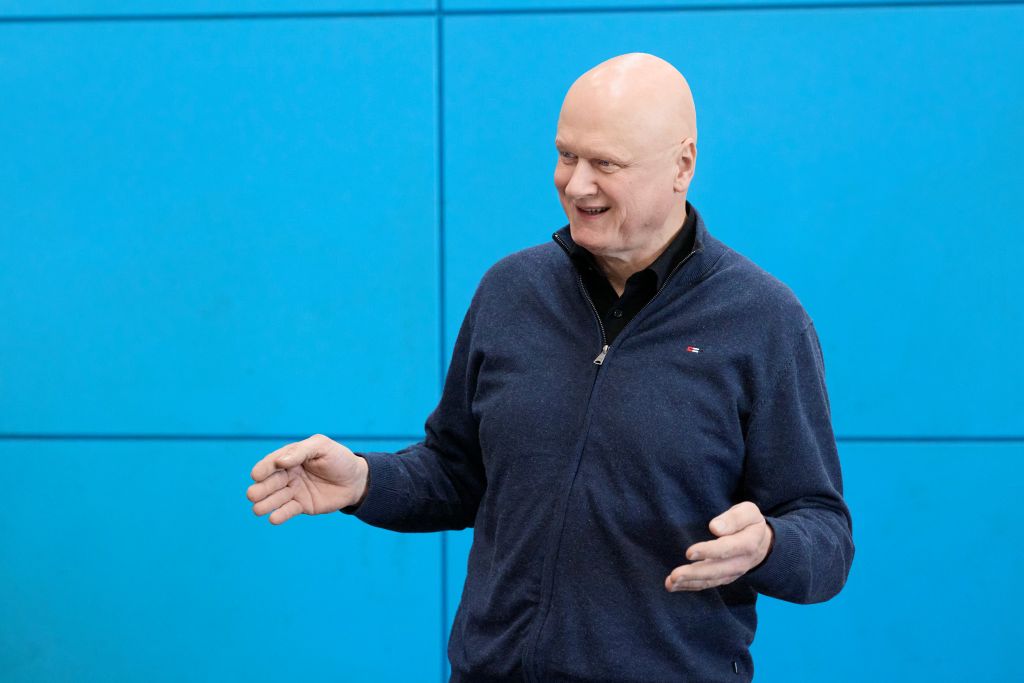
Questions for Henning Albrechtsen
Henning Albrechtsen, Managing Director of HACO, addresses the high demands of the wind power industry with three innovative strategies.
Mr. Albrechtsen, why do you focus on the combination of milling and turning in one machine?
Henning Albrechtsen: We have been practicing complete machining – that is, manufacturing in as few setups as possible, incorporating turning, drilling, and milling – for years with our Dörries machines at our main location in Barrit. The experiences gained there directly influenced the planning of our facilities in Rødekro. The larger the workpieces, the more complex the handling becomes. This is reason enough for us to develop a clamping device that allows, for example, rotor housings to be fully machined in one setup.
With the basement and the new layout, you are taking new paths in production. How does this structure affect ergonomics and maintainability?
Henning Albrechtsen: The joint, intensive planning and foundation work pursued two main goals. On the one hand, they reduce noise emissions, and on the other hand, they optimize access to all machine assemblies. This enables quick maintenance and repair interventions and keeps machine availability at a high level – a decisive advantage under high production pressure. In addition, we were able to integrate units directly into the foundation, that is, in the basement. This further reduced noise emissions and noticeably improved the work quality of our employees.
The wind power industry is increasingly relying on new materials: How does HACO ensure that production is optimally aligned for future materials?
Henning Albrechtsen: Our machined components – including rotor housings, brake discs, and stator sheets – remain predominantly welded workpieces, even if they will be manufactured in larger dimensions in the future. At the same time, our product portfolio has expanded. In addition to traditional parts, we now also machine castings, such as generator housings and adapter components for connecting the machine house and tower. This positions us optimally to meet the demands of the next generation of wind turbines.
Contact: