

In numerous applications, the use of oil-water-based emulsion as a coolant lubricant in machining offers significant advantages. The machining process is lubricated and cooled, and the workpiece is cleaned of chips. After processing, the emulsion remaining on the workpiece largely evaporates, so that an elaborate cleaning of the workpieces is often unnecessary.
However, the water contained in the emulsion leads to a cooling of the working area during processing due to evaporation, especially when the emulsion is atomized by the machining. The temperature can drop by as much as 10°C. This has significant effects on the axis geometry of the machine tool because the low temperature in the working area affects the machine structure, cools it down, and causes significant thermally induced deformations. Depending on the size of the machine, the deviations on the workpiece can be quite considerable and amount to several hundredths of a millimeter. Machining tasks with very tight tolerances cannot be reliably executed under these conditions. Particularly in 5-axis machining, there can be a greater offset when a workpiece is machined in different axis positions and the zero point does not match regarding the 4th and 5th axes.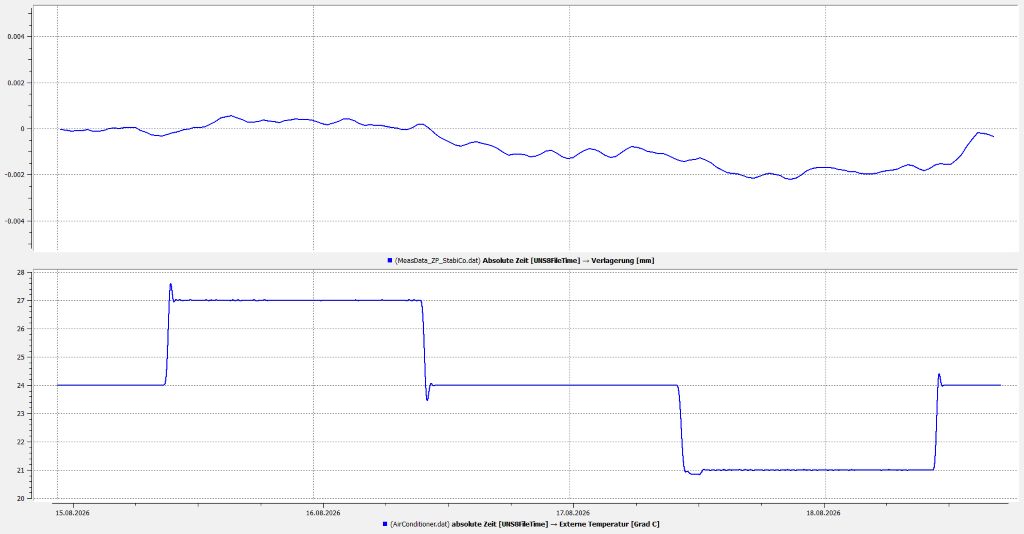
Röders has therefore intensively addressed the question of how to keep the machine tool geometrically stable when using emulsion, despite the cooling effect caused by evaporation. Röders was able to build on the extensive previous development of PRECITEMP, which has enabled Röders to maintain the RPT milling and grinding machines at very high machining accuracies even when the temperature at the machine's installation site fluctuates by +/- 3°C.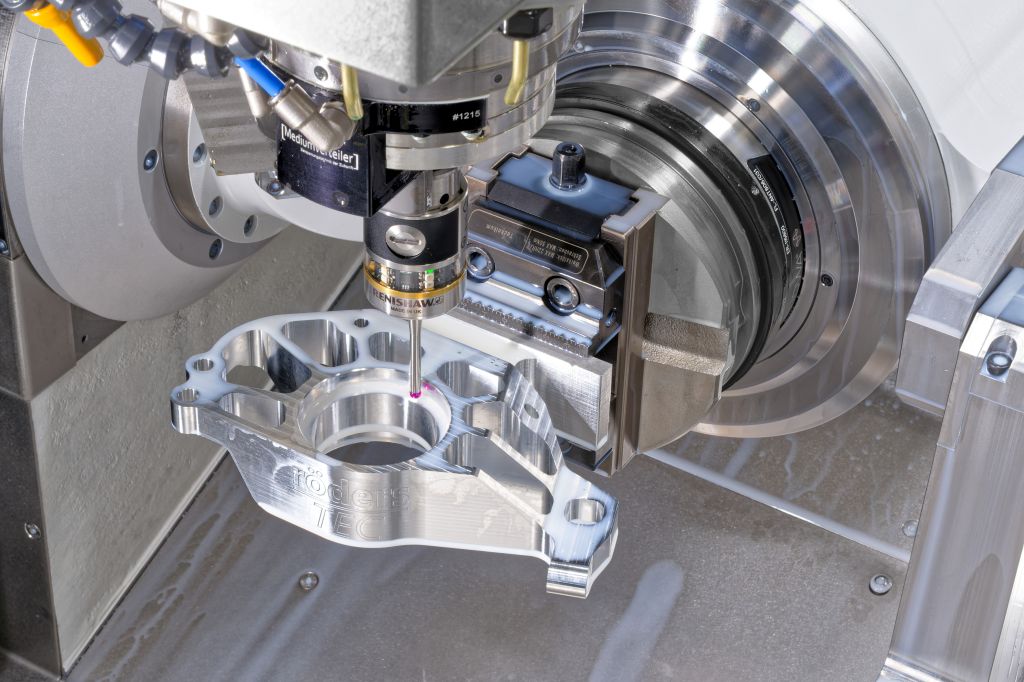
Similar to PRECITEMP for the RPT machines, which operate with minimum quantity lubrication or oil mist spraying, the concept of PRECITEMP E for RPT machines with emulsion does not rely on a single element but on a combination of several measures. As always with Röders machines, all heat sources such as motors, etc., are thermally insulated by active temperature control, so they cannot affect the geometry of the machine.
In addition, the machine frame is kept at a very constant temperature with numerous temperature control circuits. The air in the hood above the machine portal is precisely temperature-controlled with air conditioning devices. Additionally, it has been possible to maintain a very constant temperature in the working area, even when emulsion is not continuously used, such as when the machine stands idle for longer periods or when machining is carried out without emulsion.
The results are impressive. Even if the temperature at the machine's installation site fluctuates by +/- 3°C, it still operates with micrometer accuracy. This allows for reliable and precise machining, which brings significant advantages for productivity, especially in automated systems. Intermittent checks of workpiece accuracy during processing are not necessary.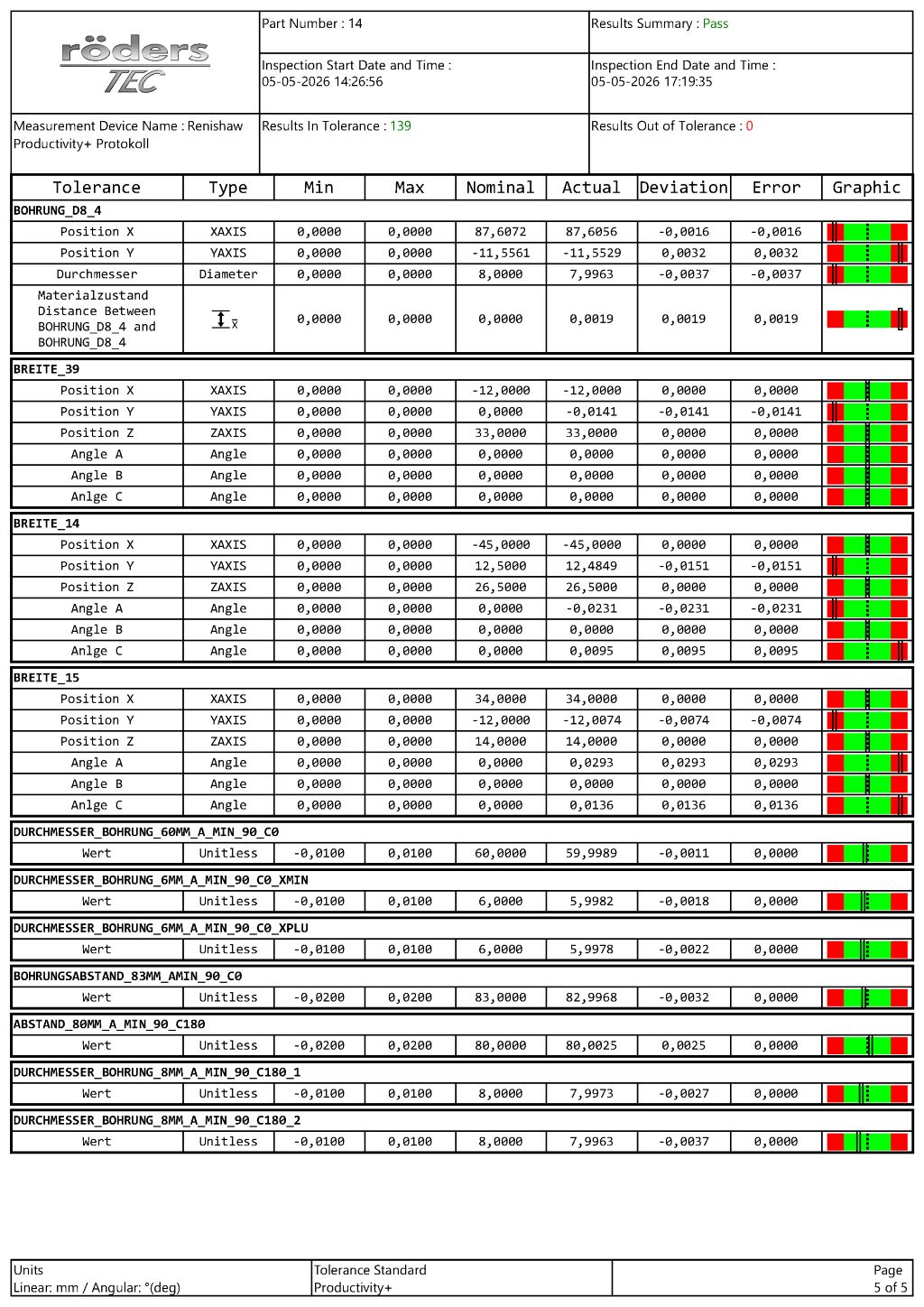
On the contrary, in numerous applications, quality control can even take place directly in the machine. For this purpose, Röders has integrated the Productivity+TM software from Renishaw and INSPECT from HEXAGON into the control system, allowing for the inspection of geometrical features such as roundness, distances, parallelism, flatness, etc., just like on a coordinate measuring machine. The measurement accuracy of the machine can be checked at any time using a gauge similar to quality control on a coordinate measuring machine, but without the need for a Röders technician to travel, as the operator can perform it themselves. The measurement accuracy in the micrometer range has been demonstrated in collaboration with Leibniz University Hannover. This allows for numerous applications to save the detour through the measuring room.
The measurement protocols are comparable to those of coordinate measuring machines and are stored in the control system or directly on the server. In automated systems, after machining and measurement in the machine, there are not only finished workpieces but also machined and quality-controlled workpieces in the automation storage system, which can be directly used in assembly. The emulsion dries completely, so that often no cleaning is required.
In Röders' own blow mold manufacturing, many thousands of blow molds made of aluminum are processed with emulsion every year. Quality control in the machine directly after processing has become established practice for some time now and was an important step in keeping up with cost pressure from competitors in countries like Turkey, India, or China. The measuring room is no longer in use.
However, PRECITEMP E was developed for precision-seeking customers of Röders machine construction. In addition to aluminum, PRECITEMP E can significantly improve productivity, especially when machining ceramics, glass, stainless steel, copper, for example in high-precision electrode manufacturing and in other applications, by providing reliably high precision including measurement protocols for quality control.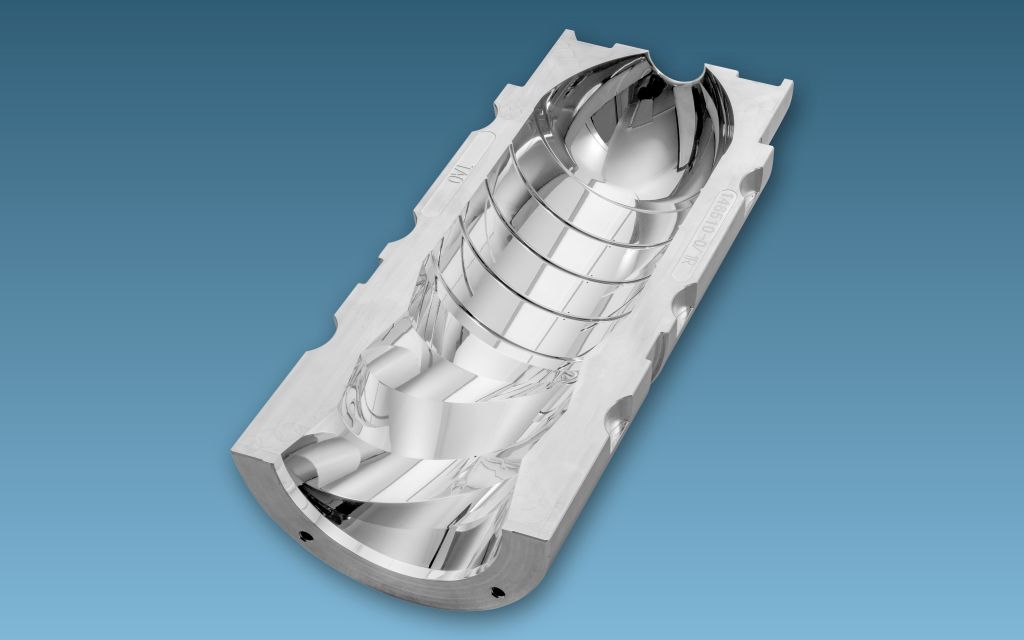
Incidentally, the operator comfort of Röders machines has also been improved when using emulsion. High speeds often lead to strong atomization and misting in the working area. It can take several seconds for the emulsion mist to be removed from the working area by the oil mist extraction after processing, which is very disruptive when the operator wants to quickly open the door. Therefore, a flap is now provided in the cabin of the Röders RPT machines with emulsion. This opens and allows ambient air to flow into the machine's working area while simultaneously switching the extraction to a turbo mode for a short time. This quickly ensures clear visibility before the operator opens the door.
Röders at AMB in Stuttgart, Hall 7, Stand C41.
Contact: