
Tool manufacturer SIMTEK made a fundamental decision in the packaging area about two years ago: moving away from newly produced plastic towards recycled materials. What initially sounds like a classic sustainability project reveals itself upon closer inspection as a profound transformation of large parts of the packaging system. The switch to so-called recyclates now affects nearly 70 to 80 percent of the product portfolio - and exemplifies a practical path towards a circular economy in the industry.
This step was initiated by Bernd Ganter, Head of Logistics and Supply Chain at the precision tool manufacturer from Mössingen. For him, the project was more than just an image initiative from the beginning. 'Our goal was to extend the lifecycle of the packaging and significantly reduce dependence on new plastic,' explains Ganter.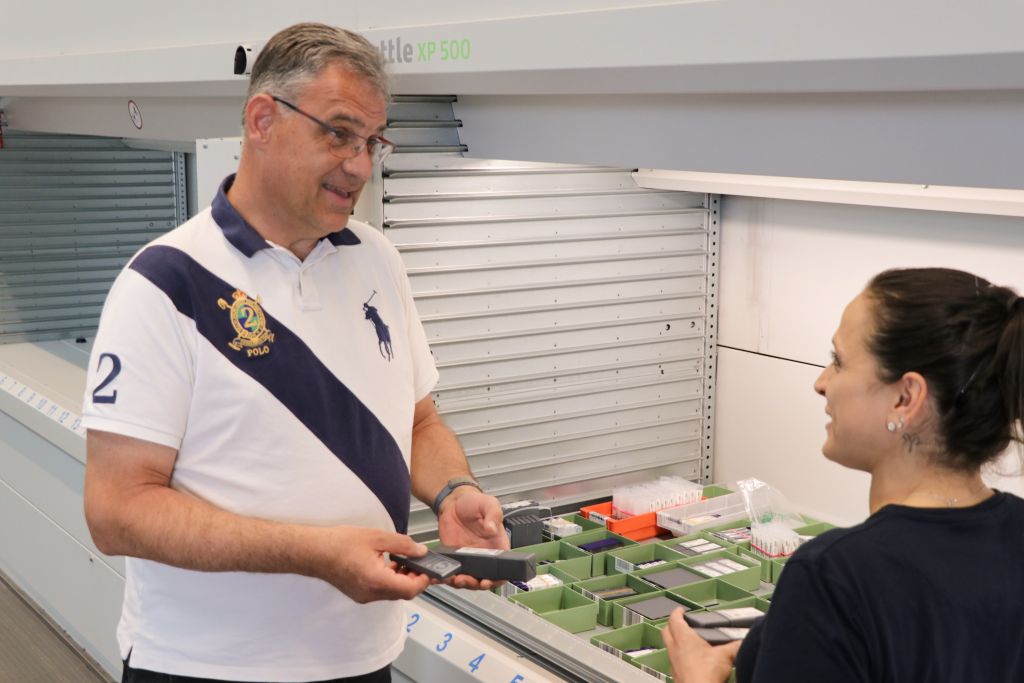
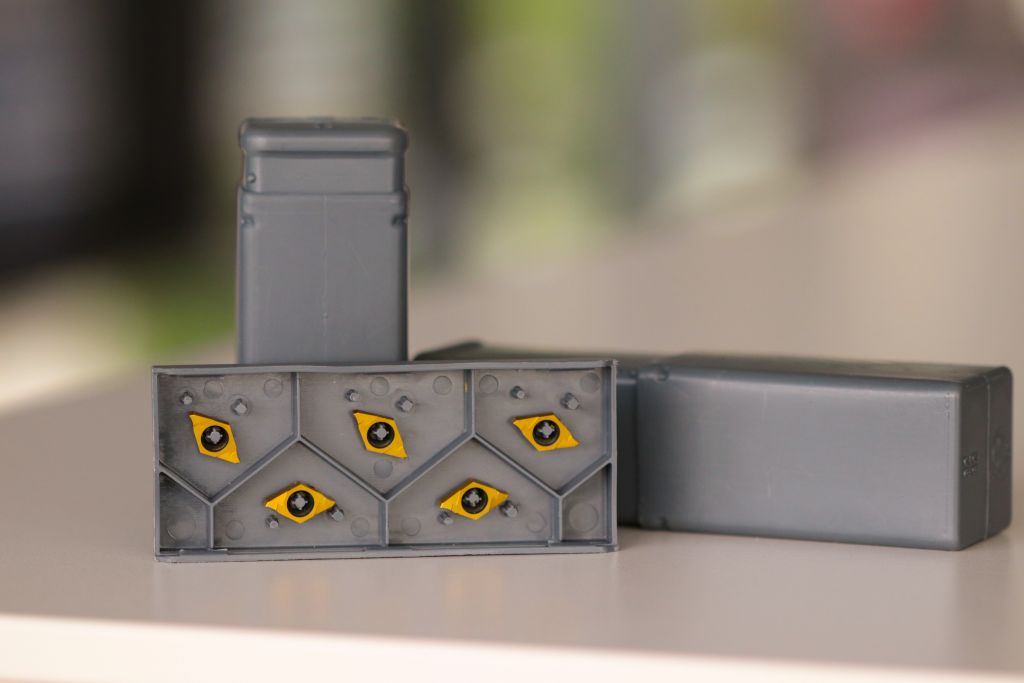
In fact, the change is initially purely optical: The previously common dark blue packaging has been replaced by gray due to recyclate. This color scheme is not a design decision but a direct consequence of the material. The recyclates used are primarily based on polyethylene (PE) and polypropylene (PP) from household waste ('yellow sack'). Since the material is not sorted by color there, a neutral gray results. For SIMTEK, this means a consciously accepted step away from brand-specific color identity - in favor of sustainability. 'Gray is the new blue,' summarizes Ganter the most visible change.
Customer reactions were predominantly positive, although the change was consciously made without significant communication support. 'The increased awareness of environmental issues in the industry significantly contributes to the perception of such changes as necessary progress,' explains Ganter, 'especially since we do not have to compromise on quality or functionality.' The use of recyclates extends the lifespan of the packaging, reduces the use of new resources, and brings them a crucial step closer to a closed material cycle.
Gradually up to 90 percent
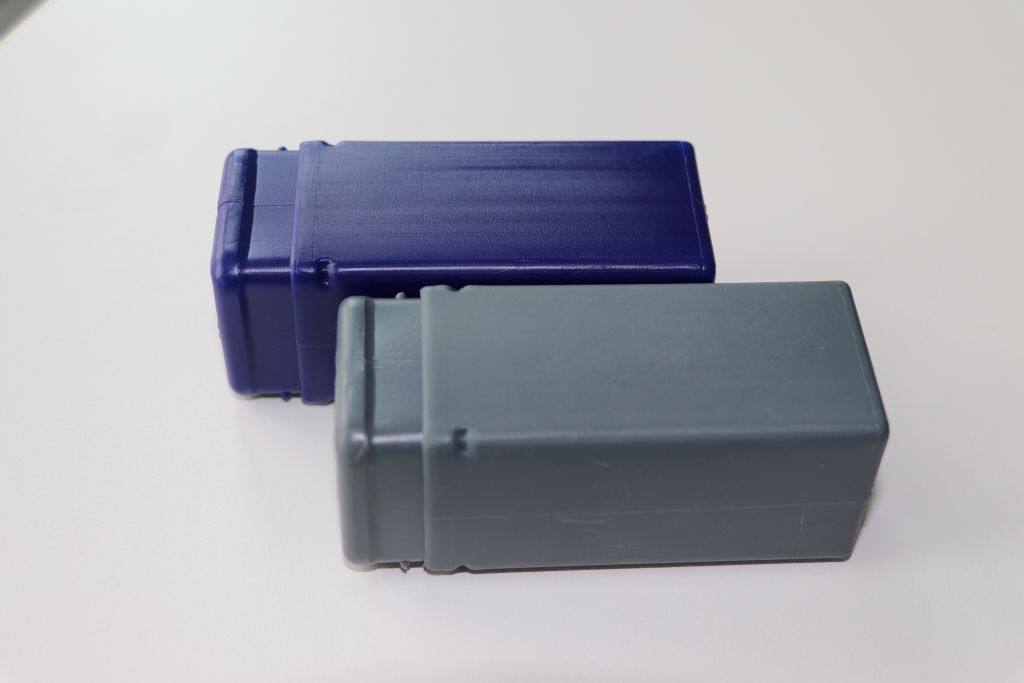
The change was made gradually. As existing stocks were depleted, they were replaced with packaging made from recyclate material. The proportion varies by product group. For carrier tools and indexable inserts, it is now around 90 percent, while for cutting inserts it is currently about 50 percent. 'We have already come significantly closer to our goal of a complete transition,' says the Head of Logistics.
The greater challenges lay less in the optics than in the technical implementation. Carbide tools are sensitive to shocks and pressure loads - secure packaging is therefore crucial to avoid transport damage. Accordingly, the testing phase was extensive: In so-called live tests, tools were shipped under real conditions to identify possible weaknesses early on.
Material cycle closed
The results were clear: The shipped test tools showed no damage. This is mainly due to the precise construction of the packaging. The tools are secured in such a way that they either sit firmly or have only minimal room for movement. Collisions within the packaging are reliably prevented. Breakouts at cutting edges or coatings are particularly critical - exactly here the recyclate solution was able to convince. 'Breakouts and material wear should only occur during the machining process and not already on the transport route,' emphasizes Ganter.
Economically, the transition has also stabilized. While initially there were additional costs of around 20 percent, the price level has now largely approached that of the previous packaging. This eliminates a common argument against the use of more sustainable materials.
Another advantage lies in the recyclability. While earlier solutions could often only be thermally recycled, the new recyclate packaging can be recycled up to seven times. Thus, a classic single-use product becomes a component of a functioning material cycle.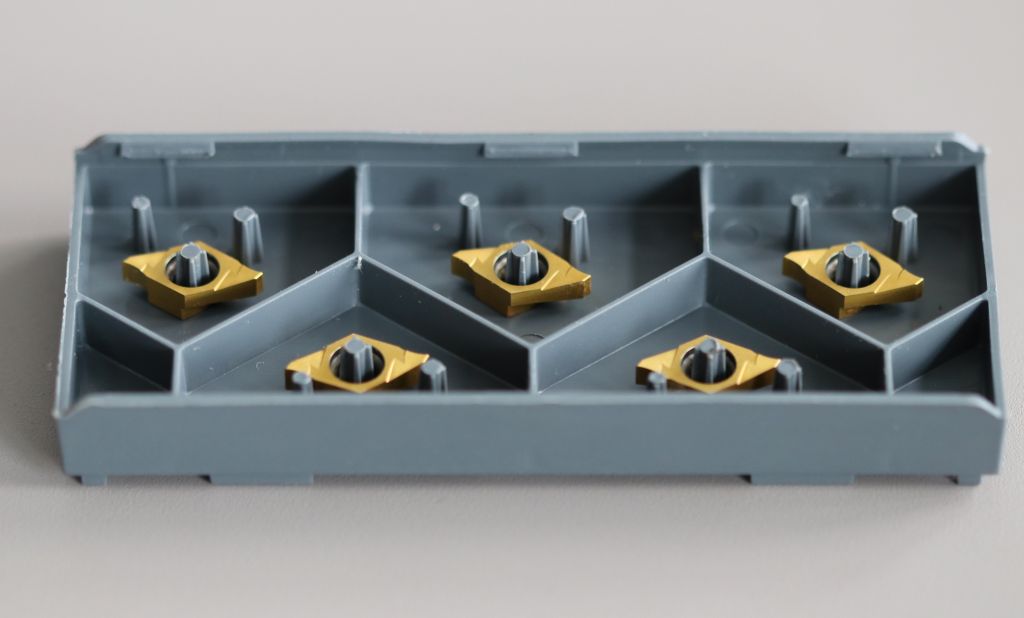
This approach is supported by further details: The labels used can be removed without residue, which facilitates the pure separation and improves recycling quality. In addition, the packaging meets relevant standards such as VDI 9001 and ISO 14001, thereby underscoring its industrial practicality.
Sustainability not yet at the end
The motivation behind the project is not solely technical or economic in nature. Bernd Ganter explains: 'As a sailor, I have witnessed the increasing pollution of the seas with plastic waste over the years. These impressions have strengthened my resolve to actively counteract this by using less new plastic and keeping existing materials in circulation for as long as possible.' At the same time, SIMTEK does not see the current solution as an endpoint. Recyclates are an important intermediate step but not a final answer to the plastic problem. Because even recycled plastics can eventually enter the environment and contribute to microplastic pollution.
The long-term goal is therefore clearly defined: the transition to fully biodegradable materials that leave no harmful residues. 'Such solutions are not yet established on an industrial scale, but we are closely monitoring developments and actively looking for alternatives,' says Ganter. The gray of the recyclates is thus much more than just a new color in SIMTEK packaging; it represents a fundamental rethinking in the industry.
Contact: