
At the company Elso, numerous and very different monitoring systems were in use. However, they were not really satisfied with them until 2021, when they first relied on UTTec's tool monitoring. Since then, they have been investing almost annually in the latest generation of UTTec in Hofheim. The specialists for drive shafts and flanges see the decisive advantages in the ease of use and the fact that the UTTm system control can be used machine-neutrally, allowing integration into machines over 20 years old.
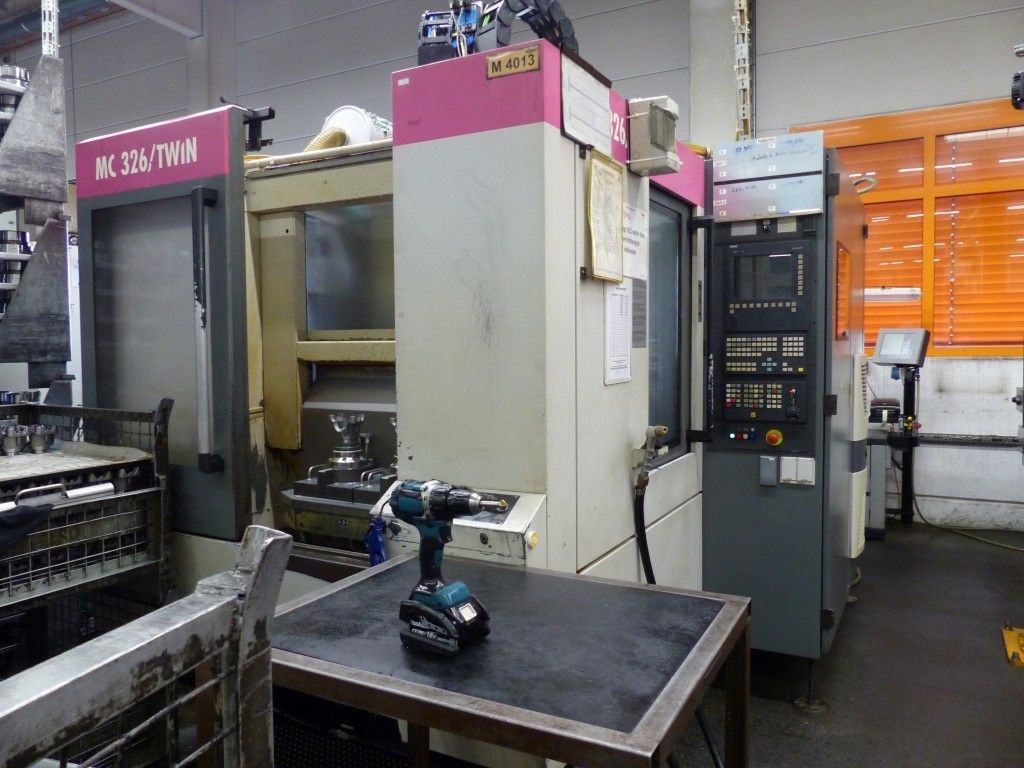
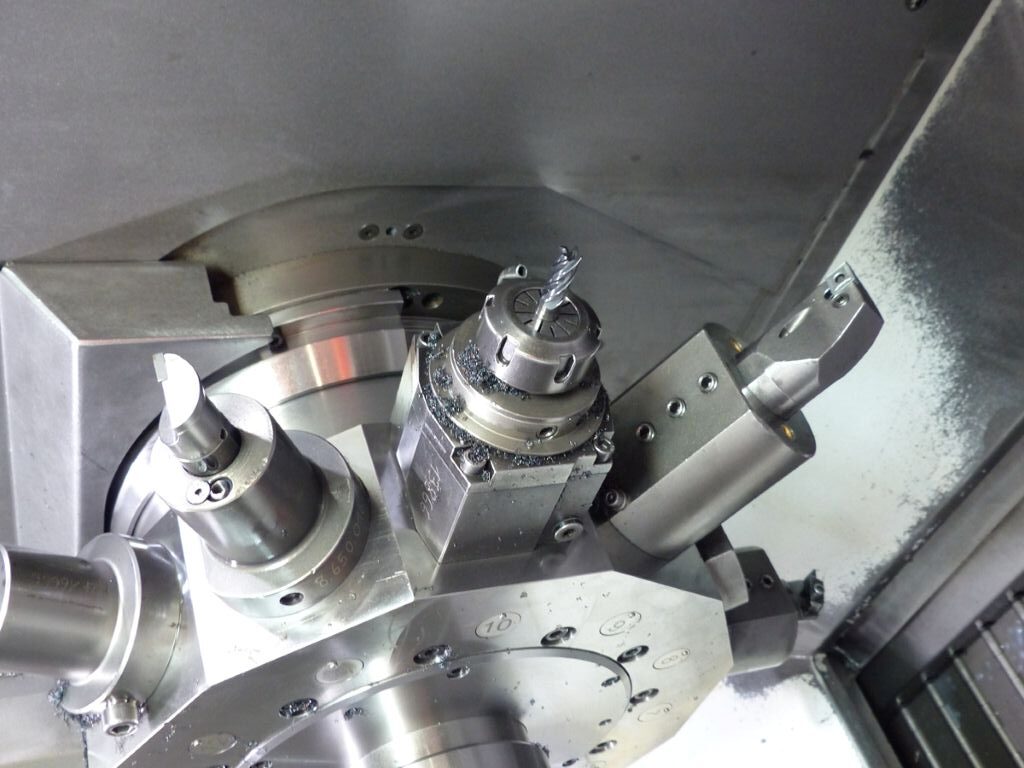
It all started with an EMAG machine that was to be equipped with tool monitoring. Christian Endres, production manager, and his colleagues were constantly listening to the market and closely observing the developments of various monitoring system providers. They decided in 2021 to go with the system from UTTec. During the first tests, it was very favorable for the responsible parties that the system also recognized the small drills used, which were four millimeters in size, and the breakage data could be set without any problems.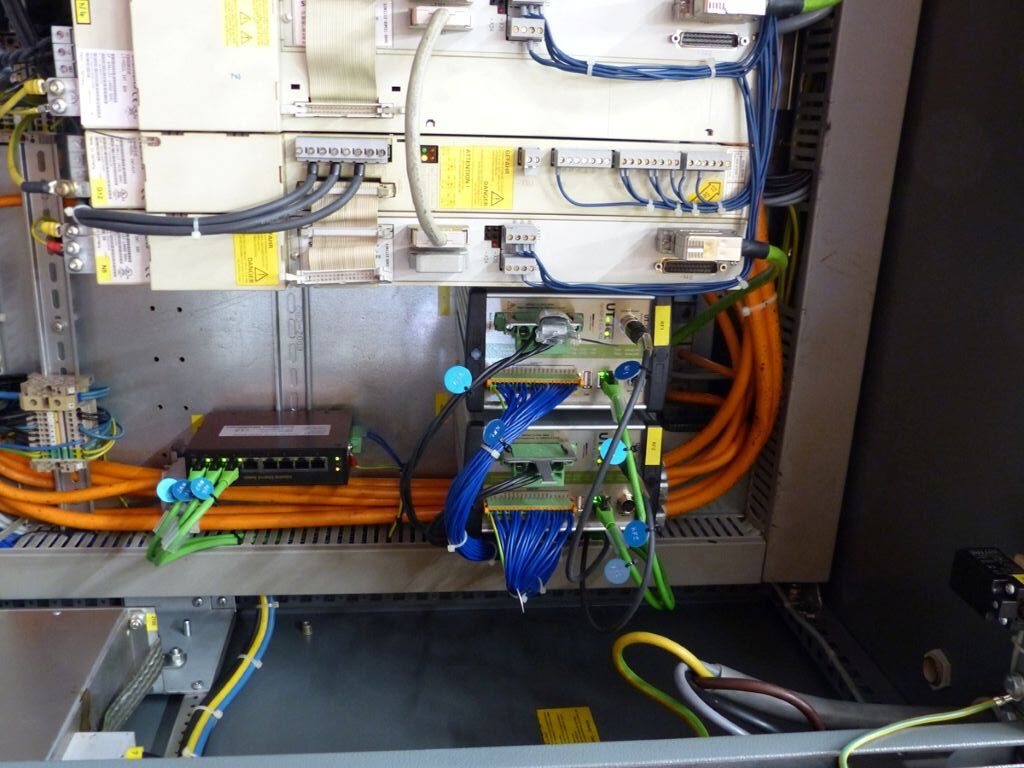
On the other hand, these tests showed that the system was very easy to use and handle. After two years, they were so convinced by the system that two more EMAG VL5i machines were to be retrofitted with it.
In this investment, they consciously opted not to conduct a benchmark, as the employees were extremely satisfied with the UTTec system. In 2025, another machine was equipped with the system. For Tim Schröter, managing director of UTTec, this decision is understandable:
"The ease of use and handling was a decisive criterion here. The qualification of the available employees to train and optimize tools is no longer as pronounced.
Elso uses not only the standard detection functions such as tool breakage and tool absence but also additional wear monitoring. The advantage of our system is that it provides the same monitoring and the same user interface everywhere." How fundamental this argument becomes is shown by the fact that both new and sometimes very old machining centers are in use in Hofheim. For example, in 2025, a 28-year-old double-spindle machine from Stama was also equipped with the UTTec system.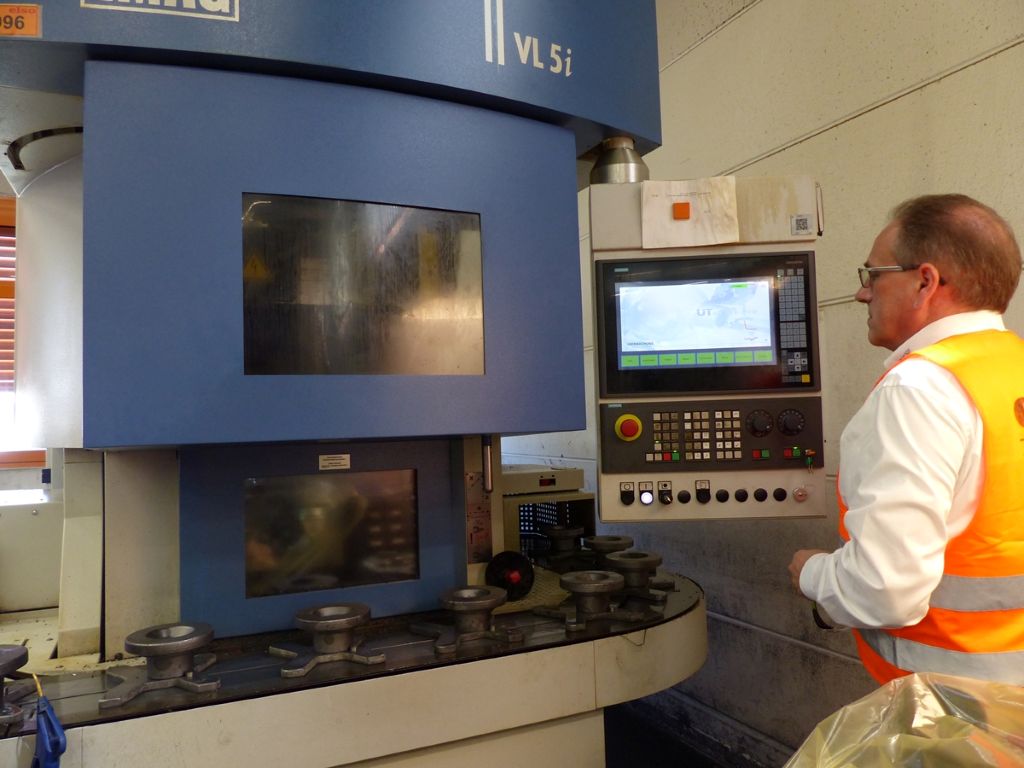
However, the integration was carried out by themselves, or rather by Torsten Dünninger, head of maintenance at Elso. Therefore, it was not a big problem for him: "We have a separate program number for each article number and each operation. This way, we monitor everything: drills, mills, taps, and also driven tools. And if you deal with the topic a little, such an installation is not a big effort."
The system covers three generations of controls.
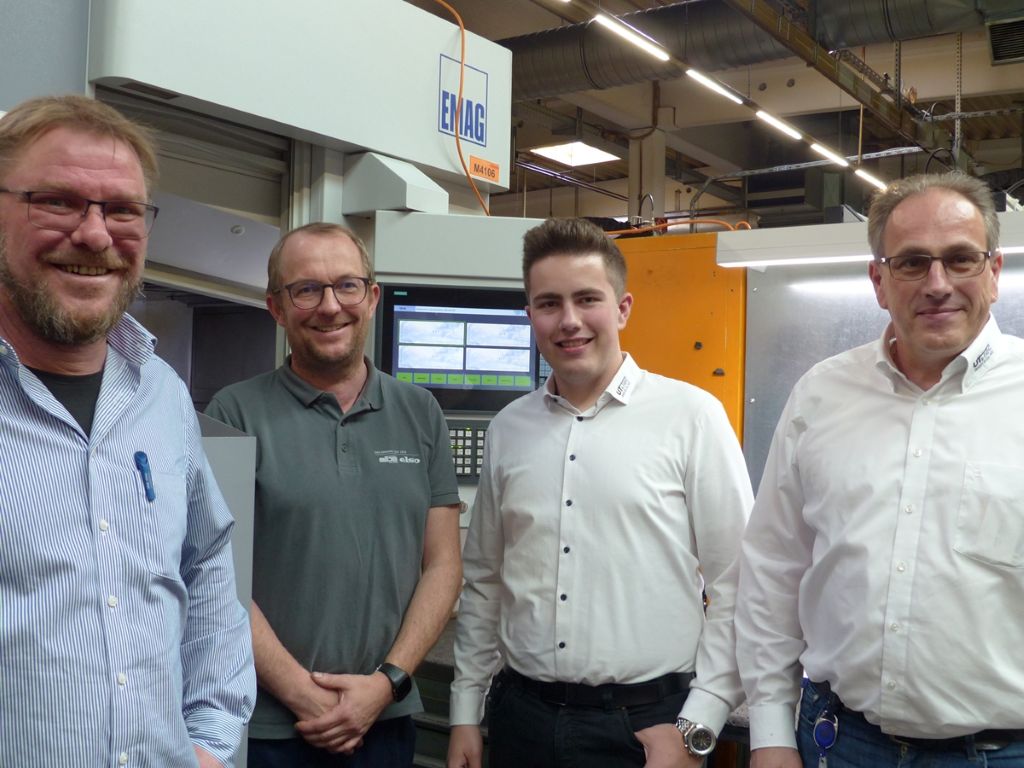
Particularly interesting in this context are the batch sizes in Hofheim. They vary between five and 1,000 pieces, and these batch sizes are mostly similar to assemblies. For example, they produce about 200,000 joints, 800,000 flanges, or 75,000 drive shafts per year. And here too, the advantage of the UTTec systems comes into play. The system is only trained once, and the limits are already set with the second component. Comparable systems usually require more components for this. With a batch size of five pieces, this will certainly become a problem.
The fact that Elso has so far relied on standards plus wear monitoring is no coincidence. They consider this completely sufficient and appreciate that they only need to invest in the building blocks that are required. However, this does not mean that UTTec is not constantly being further developed. For Uwe Schröter, managing director at UTTec, this is a must: "Of course, we have already monitored significantly smaller drills. This is always dependent on the hard and software integrated and how large the spindle power is. Regardless, we also offer licenses for adaptive control or the provision of data for quality assurance. Our monitoring during clearing is also brand new." Features or options that Christian Endres is aware of, but which are currently less meaningful for him. Rather, it is about UTTec covering all Siemens controls (which are now three generations).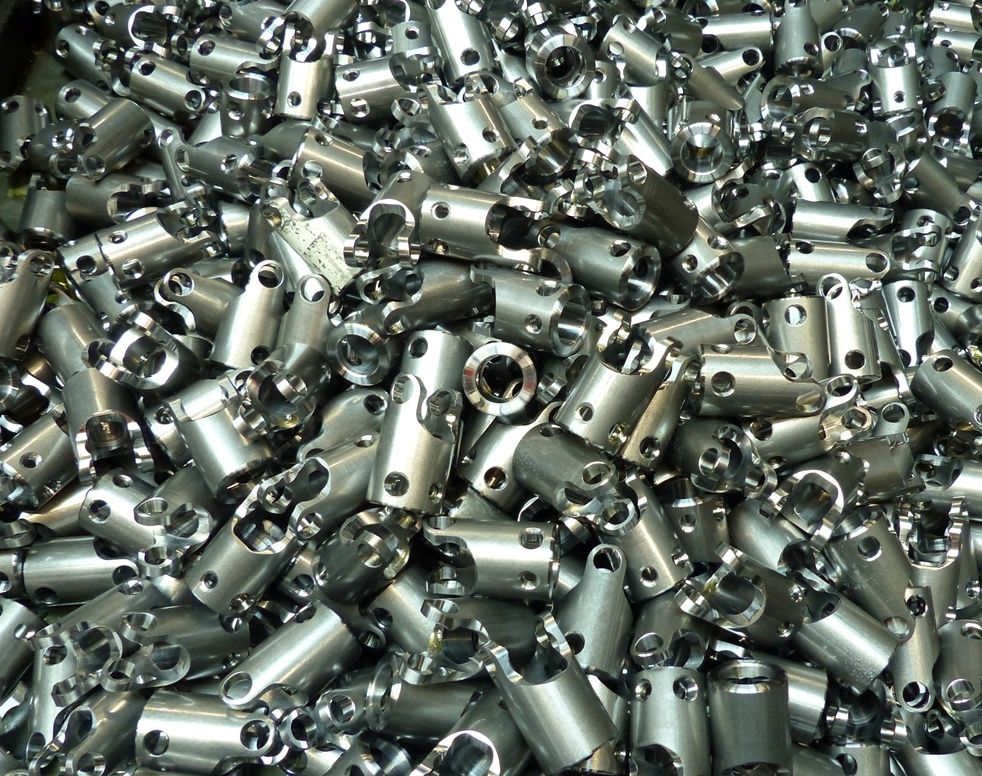
He is aware that manufacturers or providers of monitoring systems are continuously developing, but in his opinion, UTTec is always one step ahead: "I am also responsible for our production in Hungary. When a new system is delivered there, UTTec is also installed. That speaks for itself. Currently, we are also working on a special machine with 16 axes for our cross joints. And I think we will rely on UTTec again here."
To finally answer the question of ease of use and handling when training and optimizing tools.
You could also set it up centrally via a local network or even via WLAN using a smartphone, but that does not seem to be under discussion in Hofheim at the moment.
Contact: