
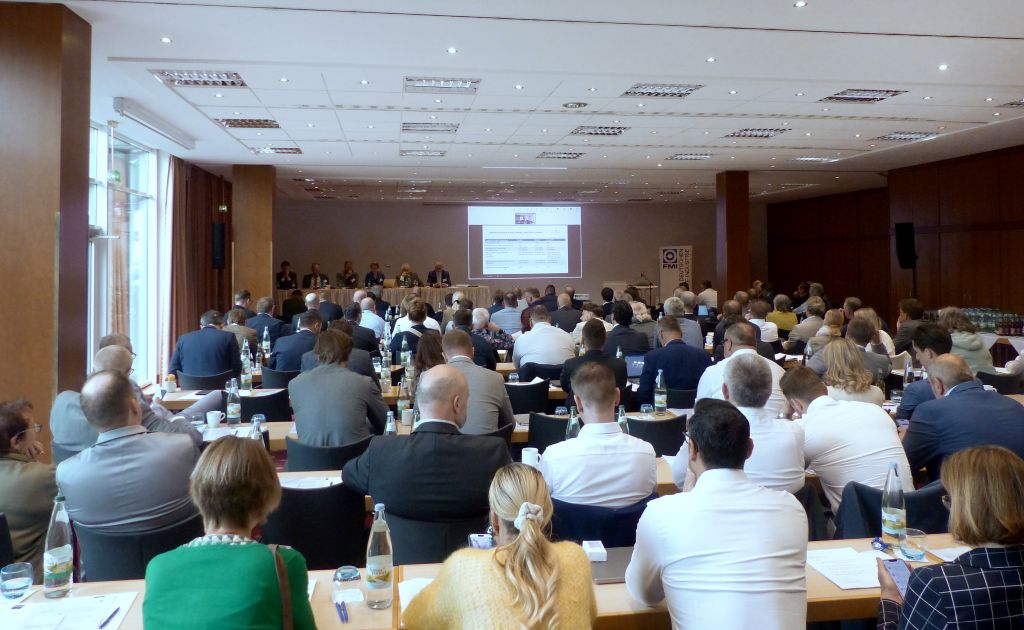
Rising order intake, new members, cautious optimism: The members of the Association of the German Turning Parts Industry are confident. Around 150 participants discussed current market developments, strategic challenges, and concrete solutions at the spring meeting in Leipzig – from brand management to energy to cybersecurity.
Despite geopolitical tensions and economic uncertainties, the mood at the spring meeting of the Association of the German Turning Parts Industry was noticeably positive. About 150 participants took the opportunity for intensive dialogue in Leipzig. 'I am pleased that we are growing and becoming more international,' said board member Thomas Braun at the opening. This year, the association can welcome companies from Germany, Italy, the Netherlands, Austria, and Switzerland, including four new members.
The day before, Dr. Matthias Schweizer from a1kommunikation set important impulses with his presentation. He emphasized the brand as a connecting element between companies, employees, and the market. Using concrete examples, he illustrated how consistent focus as a condensed expression of entrepreneurial performance creates a credible promise of added value. Central goal: the brand is the DNA of a company, and its visibility must be sustainably increased both internally and externally.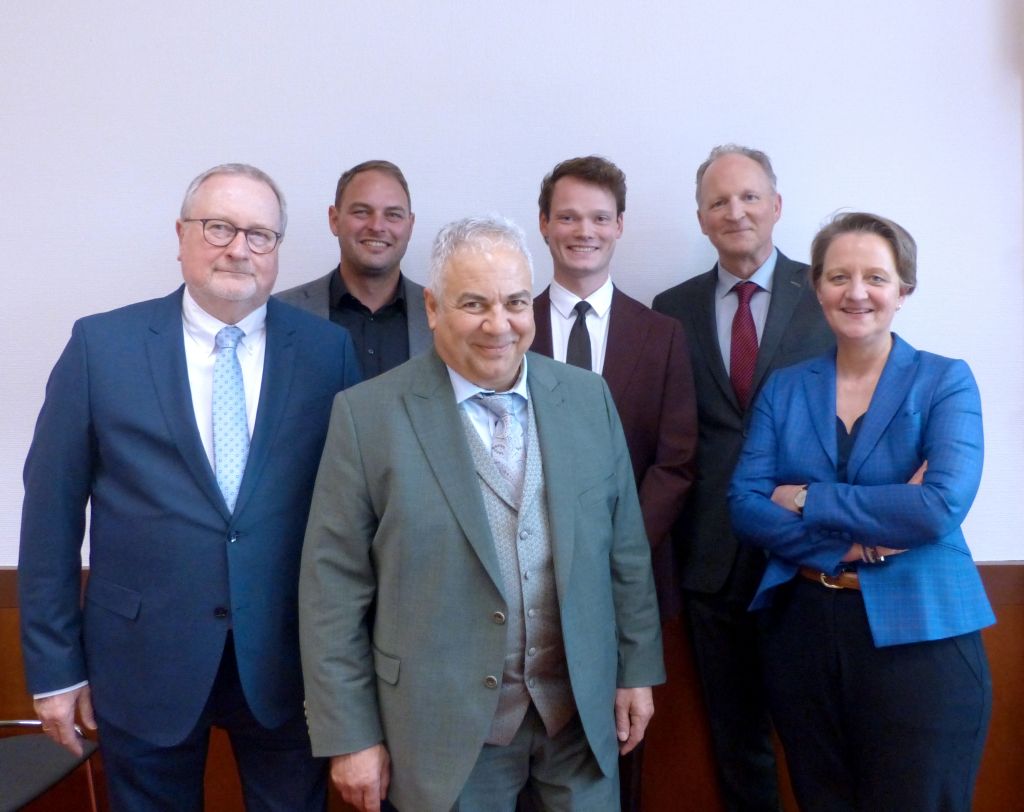
Between stabilization and pressure
At the beginning of the meeting, several association members provided insights into their current situation. The picture is differentiated. Many report a good start to the year 2026 with rising order intake and revenue growth. While some companies benefit from new projects and higher utilization, others struggle with fluctuating orders and short-term order declines.
Structural challenges remain dominant. In particular, the costs of energy, materials, and tools are putting pressure on margins.
The shortage of skilled workers is easing in some areas, but finding qualified young talent remains difficult. Automation is also progressing, with AI-based solutions in administration and planning leading to initial efficiency gains.
Werner Liebmann, Managing Director of the association, supplemented the picture with results from a survey for the first quarter of 2026: 'We have reached a historic low in the investment ratio, revenue and order intake are developing moderately, while value creation is stabilizing. It is positively noteworthy that the export quota remains high at around 41 percent.'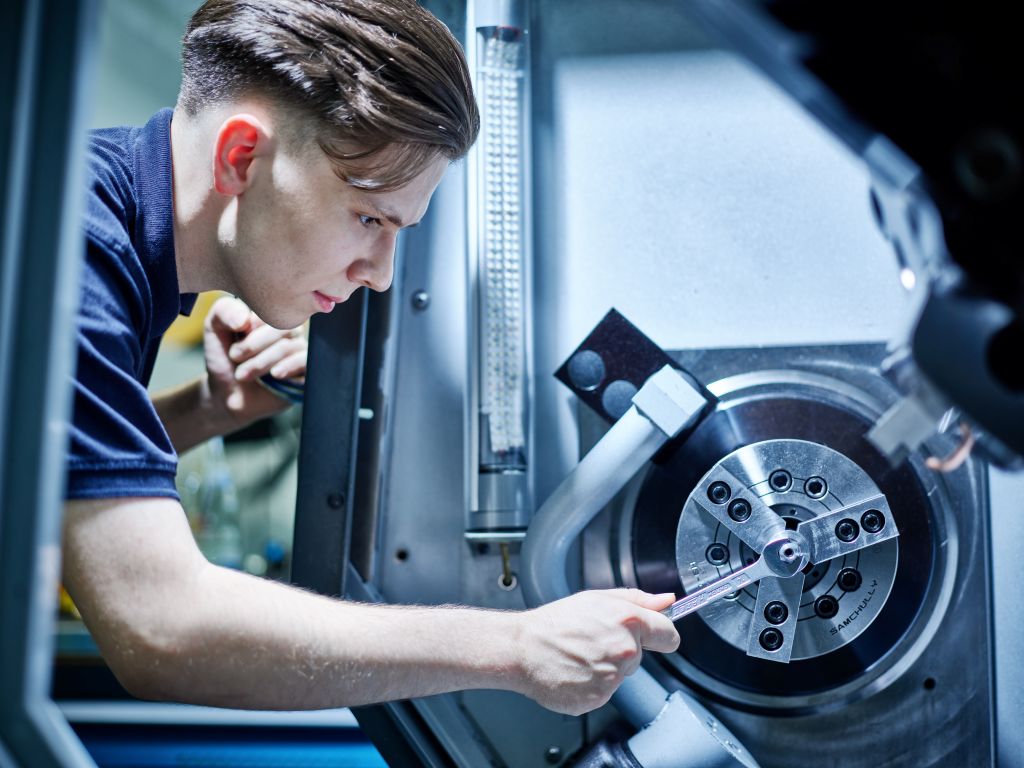
External factors in focus
The extent to which external framework conditions influence the industry was highlighted by the expert presentations. The speaker from StahlmarktConsult analyzed the development of the raw material markets under the influence of regulation and geopolitics. CO₂ pricing under CBAM (Carbon Border Adjustment Mechanism) and new EU protective measures are likely to increase import costs and change the supply situation.
The topic of the presentation by ECG Energie Consulting was the situation in the energy markets and the importance of an active procurement strategy. Even with volatile energy prices, savings can be achieved, for example, through targeted optimization of grid fees and levies. Those who also focus on load management and storage solutions can further improve their position.
The pressure for action is also increasing in information security. The speaker from VIA Consult pointed out the new requirements arising from NIS2. This EU directive strengthens cybersecurity and obliges affected companies to significantly more comprehensive protective measures, such as in risk management, reporting obligations, and securing supply chains.
Concrete impulses for discussions with buyers were provided by the presentation of the QP-GROUP. It is crucial to actively manage sales – through cost optimization, critical portfolio analysis, and a clear strategic direction. Companies should highlight potential in growth segments such as electromobility, thermal management, or power electronics.
Outlook and association activities
In conclusion, the board provided an overview of current and upcoming activities. Next on the agenda are the MTO Days on June 9 and 10 in Stuttgart – a trade fair for precision parts, contract manufacturing, and machining. It offers direct access to decision-makers from mechanical engineering, automotive, robotics, and defense. Additionally, the International Turning Parts Congress is planned for 2027 in Stratford upon Avon, UK. Furthermore, the association collaborates with the universities of Dortmund and Stuttgart. The working groups focus primarily on studies of the machining behavior of materials with different alloy components.
Members benefit not only from joint events and exchanges. The association also offers companies access to the CO₂ calculation tool FRED and videos for trainee recruitment.
Contact: