
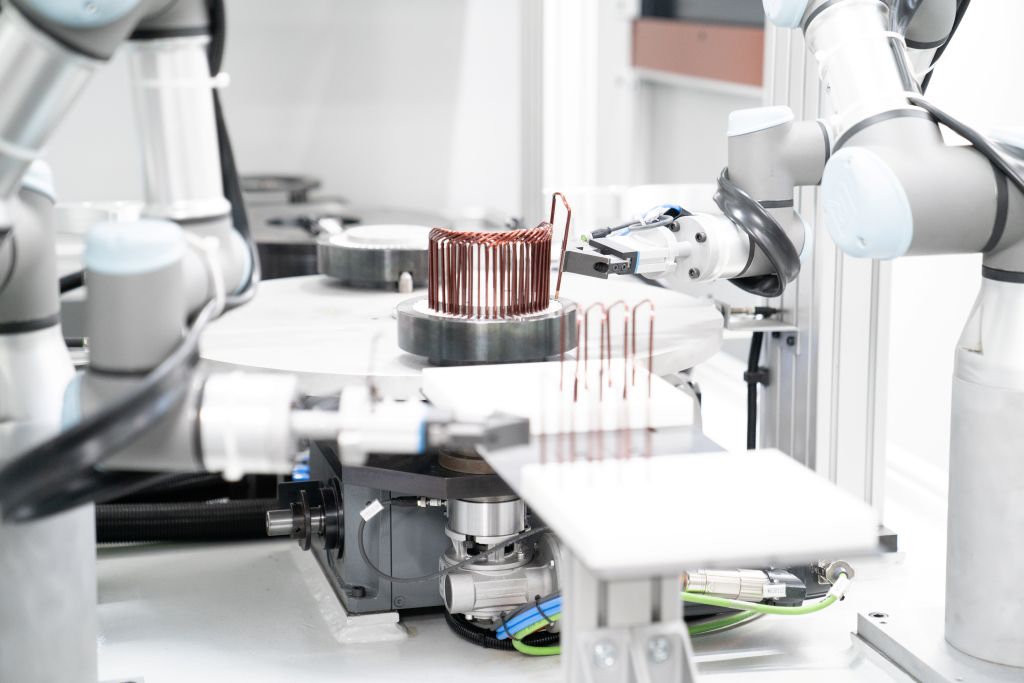
The hairpin technology is considered the heart of modern electric motors. Gehring takes care of the joining, twisting, welding, and insulating of the individual coils – from prototype to series production. In the in-house technical center, series-like sample stators are created, equipped with professional joining technology, series-like expansion and twisting machines, laser welding, and proven insulation methods such as slot liner, trickling, or powder coating.
In series production, Gehring automatically assembles hairpins and iron cores, carries out the shaping processes to close the windings, and welds them in fully integrated laser welding cells into complex stator assemblies. Depending on the cooling concept, traditional insulation methods are used – or the innovative solid-state cooling. "We develop prototypes not in the lab, but close to series production – this enables a quick transition to automated production processes," says Tobias Thom, project manager for prototype construction at Gehring.
Cooling reimagined – Solid instead of oil
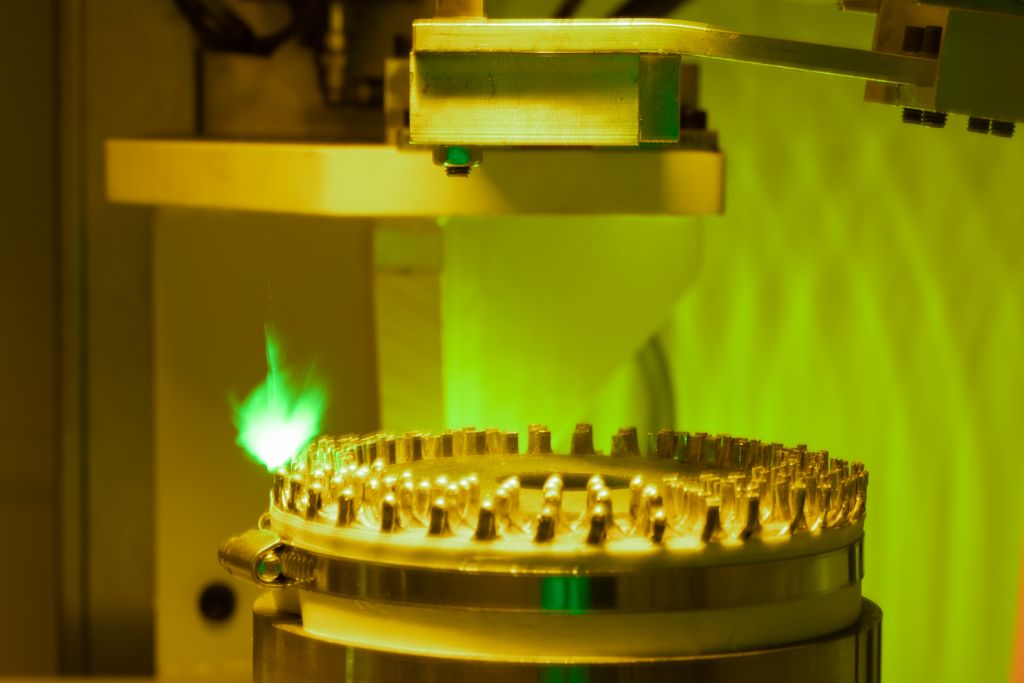
For thermal management, Lambda Resins relies on a highly efficient solution: the ceramic-based Solid Cooling System, a true alternative to classical systems.
Oil cooling. This innovative solid cooling replaces traditional oil cooling and ensures excellent heat dissipation while providing high electrical insulation. The impregnation and filling of thermally insulating cavities inside the stator enable a targeted heat flow from the copper winding to the housing.
The material hardens solidly, conducts efficiently, insulates safely – and significantly increases the lifespan of motors. "We combine material expertise with practical application. Our solid cooling is the next step in electric motor development," explains Uwe Köhler, Managing Director at Lambda Resins. The company's in-house technical center allows for professional outfitting of prototypes with solid cooling technology and practical validation of new solutions.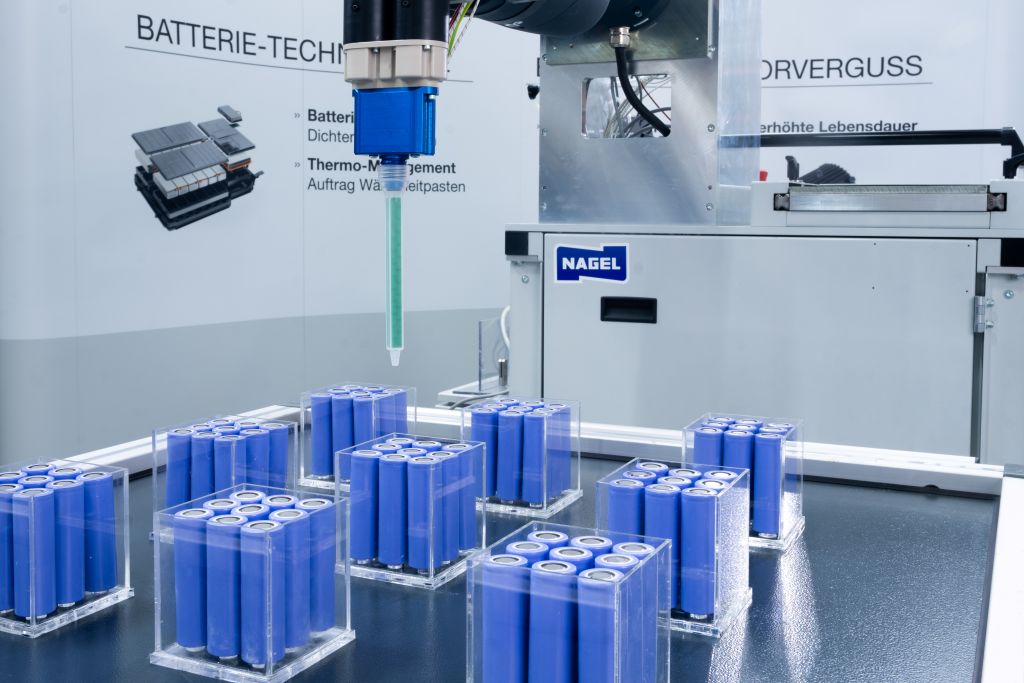
Automated dosing technology for industrial continuous load.
The integration of solid cooling is automated through specially developed vacuum dosing systems from Nagel Technologies. The systems are designed for 24/7 operation and process highly filled resin systems even during longer downtimes, during shift changes, or on weekends. Digital control, low-maintenance ceramic pumps, and modular chamber concepts ensure the highest reproducibility and flexibility:
- Single chambers
- Turntable chambers for smaller stators
- Continuous triple chambers for large-scale production
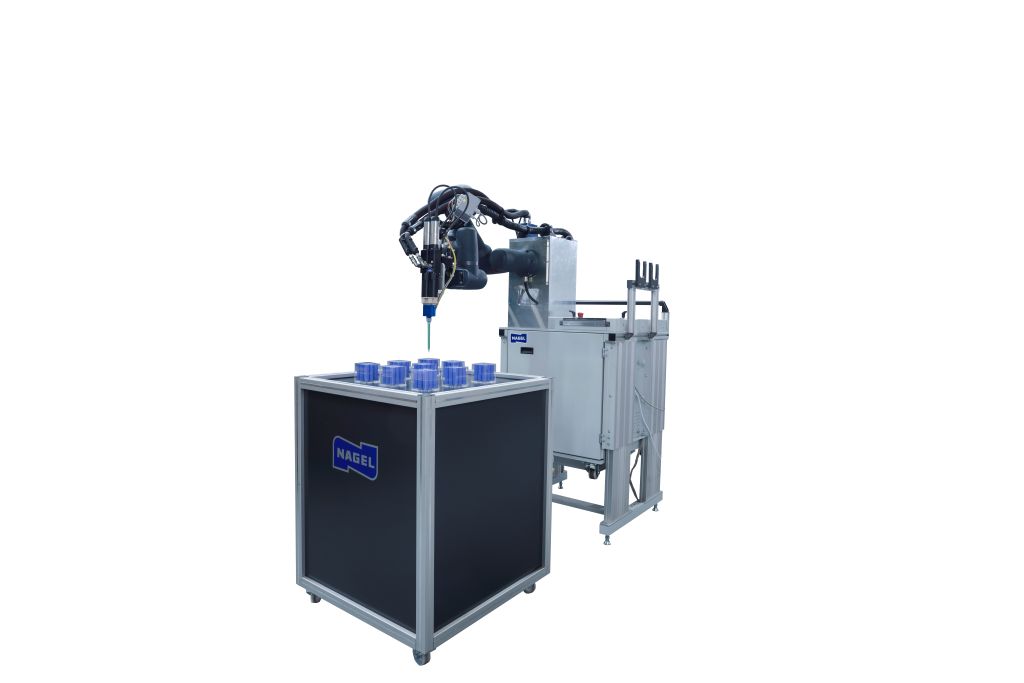
The preheating of the stators is done using energy-efficient induction stations. Additionally, Nagel Technologies also offers tempering furnaces for thermal post-treatment. "Our systems are maintenance-friendly, durable, and highly precise – exactly what industrial customers need for stable series production," says Philipp Schuh at Nagel Technologies.
Efficiency through Integration
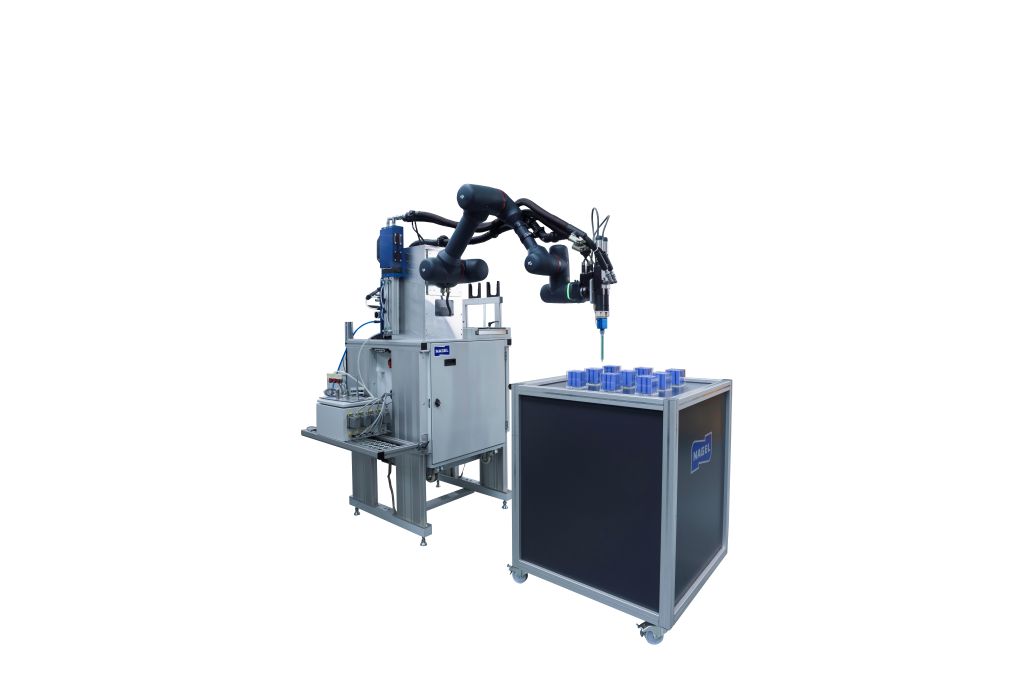
In conclusion, Gehring provides the suitable solution for final assembly: stators are integrated directly into the motor housing using specially developed cells – in the case of Solid Cooling, even immediately after welding. The time-critical insulation step is eliminated, streamlining the process.
Technology network with maximum integration
The industrial manufacturing of electric motors is complex – the strategic collaboration of Nagel Technologies, Gehring, and Lambda Resins offers a complete, seamless solution: from assembly and cooling to the production line. Interfaces that typically exist between different suppliers are closed within the group. This ensures a smooth and thus more economical process in every project phase. "Our unique selling proposition is seamless integration – technologically advanced, economically convincing, and ready for the future of e-mobility," says Dr. Wiens at Gehring.
Contact: