
The addition of lead to metallic materials positively affects the machining process. However, due to the EU's REACH and RoHS regulations, the era of these easily machinable materials is over in many applications. Process-safe machining must still succeed in the future. Paul Horn GmbH demonstrates a suitable solution with its wide range of tools for almost every application.
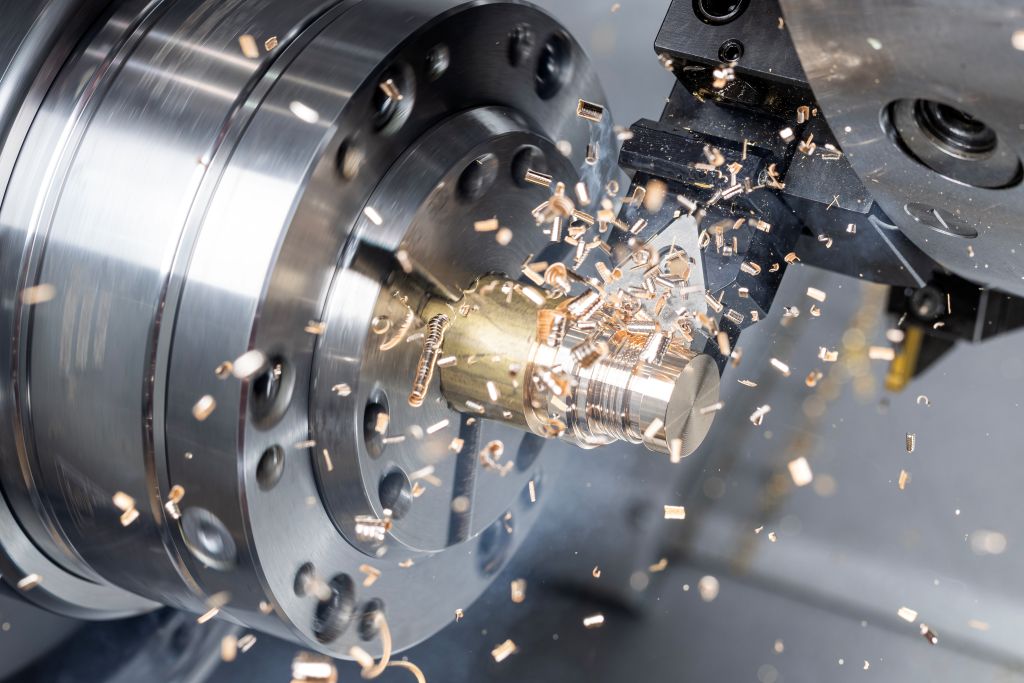
The main problem with machining lead-free alloys, whether brass or automatic steel, is the often absent process-safe chip breakage. But what exactly does the toxic alloying component lead do? In machining, the soft metal in the alloy creates predetermined breaking points, as lead forms small nests or inclusions in the alloy structure. These ensure good chip breakage and low cutting forces during machining. Furthermore, the heavy metal acts like a lubricant film, which positively affects tool wear.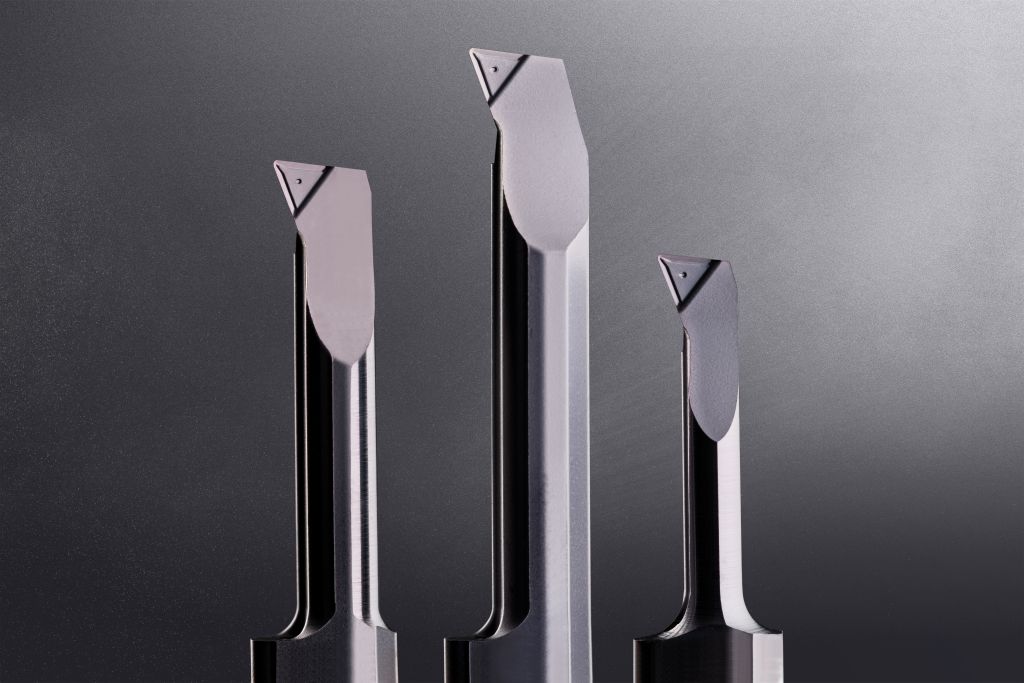
The transition was initially a challenge. The good chip properties of lead-alloyed materials were lost. Additionally, the wear of the cutting edge increased significantly. Solutions were found in grooving and longitudinal turning with chip shape geometries from the steel sector as well as specially laser-cut special geometries. Extensive studies show that especially chip-breaking geometries for medium-strength steels work very well with lead-free materials.
In internal turning, customized geometries also achieve process-safe chip breakage. One of the biggest challenges in internal machining is long chips. These often occur during hole machining. They wrap around the tool, clog holes, or, in the worst case, lead to tool breakage. Until now, specially laser-cut or ground chip shape geometries were used for this purpose. However, this was associated with a corresponding cost factor for the cutting insert. Horn has succeeded in developing universal boring tools with sintered chip shape geometry with the new Supermini type 105 and the Mini type with I-geometry. The tools offer high process reliability in use due to good chip control. The cutting geometry extends far into the corner radius of the cutting insert. This ensures chip control even with small feed rates. The geometry can be universally applied to various material groups and is suitable for internal, face, copy, and backward turning.
Contact: