
International geopolitical tensions are increasingly putting pressure on supply chains for primary aluminum. The blockade of the Strait of Hormuz is disrupting trade flows from the Gulf region, which accounts for about 9% of global primary aluminum production. Additionally, the situation is exacerbated by damages at significant production sites in the Middle East (Aluminum Bahrain and Emirates Global Aluminum) and by the gradual tightening of sanctions against Russia, which has traditionally been an important supplier of low-CO₂ aluminum for the European market.
The deficit of primary aluminum in Europe now exceeds 87% of the continental demand, necessitating the import of around 8 million tons of aluminum annually. In this environment, the limited availability of the raw material and ongoing geopolitical uncertainty are leading to a significant increase in raw material prices. The price of aluminum has risen from around $2,400 to over $3,500 per ton in the past year. Although the correction at the end of June brought the price back down to about $3,100 per ton, the price level remains very high.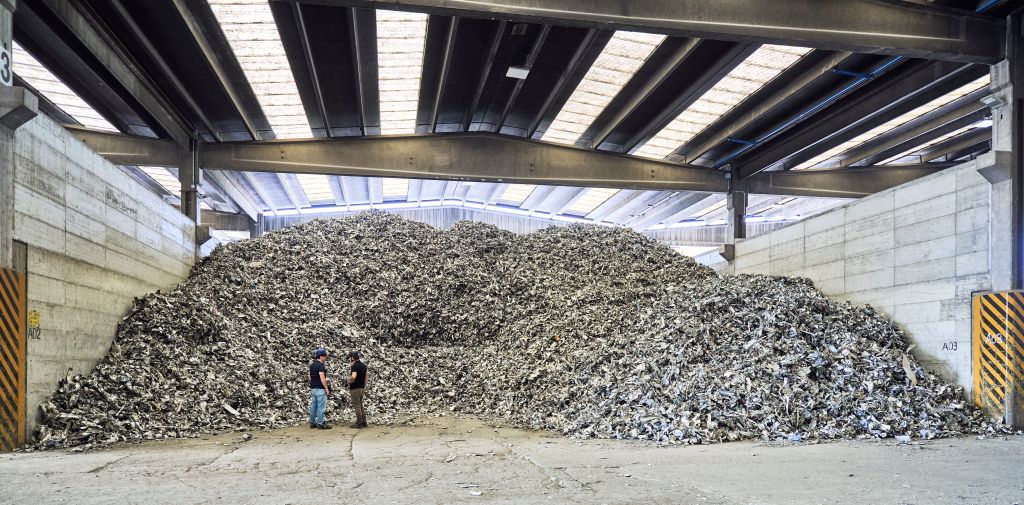
The fight for scrap is moving up the European agenda
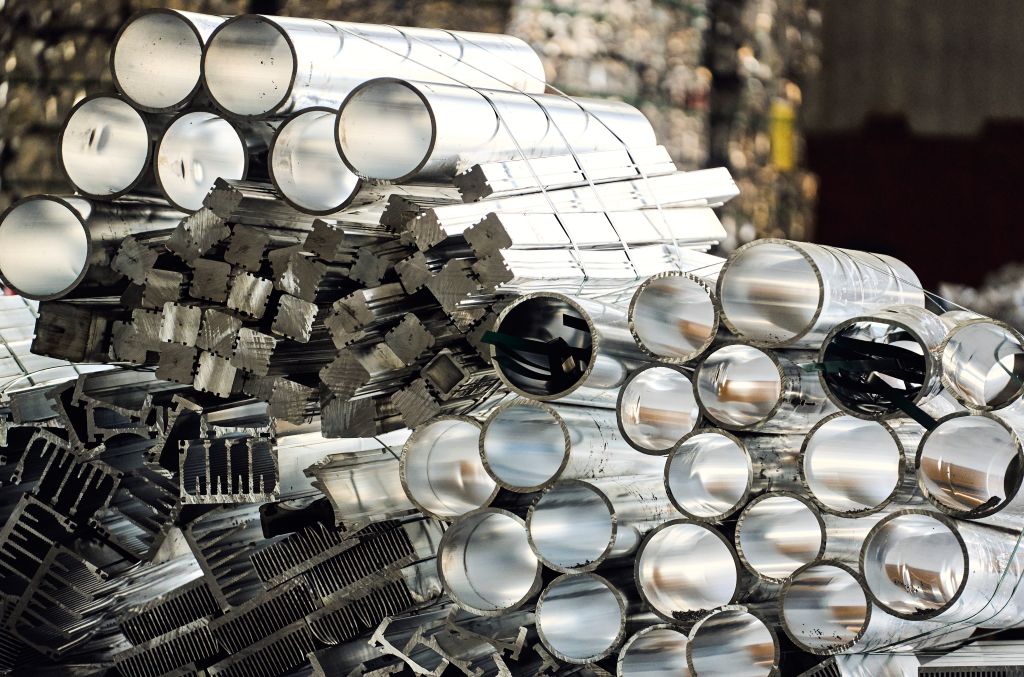
The increasing difficulties in sourcing primary aluminum are enhancing the strategic value of secondary aluminum from recycling processes. This development is further supported by the energy economic conditions. The production of primary aluminum is extremely energy-intensive: According to the International Aluminum Institute, an average of about 52 kWh is needed for every kilogram of primary aluminum from bauxite, while only slightly more than 2 kWh is required for recycled aluminum. This corresponds to an energy saving of over 95% and a significant reduction in CO₂ emissions. However, the market for aluminum scrap has also become an international competitive field. Recent trade policy measures by the USA – particularly the introduction of tariffs of 50% on aluminum semi-finished products and 15% on aluminum scrap – create attractive conditions for purchasing by market participants outside the European Union. The result is a decreasing availability of scrap for the European processing industry and significant price increases that in many cases exceed the reference prices of the London Metal Exchange (LME).
In this context, Eural Gnutti has intensified dialogue with European institutions over the past two years and actively participated in discussions about industry and trade policy measures along the aluminum value chain. The goal is to make the strategic importance of aluminum scrap visible for the competitiveness of the European industry and for the sustainable transformation process.
This position is apparently reflected today in the protective measures announced by the EU Commissioner for Trade and Economic Security, Maroš Šefčovič. These aim to limit the export of aluminum scrap to third countries and ensure its availability within the European internal market.
Should these measures be implemented, they would represent an unprecedented step in European trade policy and strengthen the resilience of the value chain while creating more favorable conditions for investments in the circular economy and decarbonization.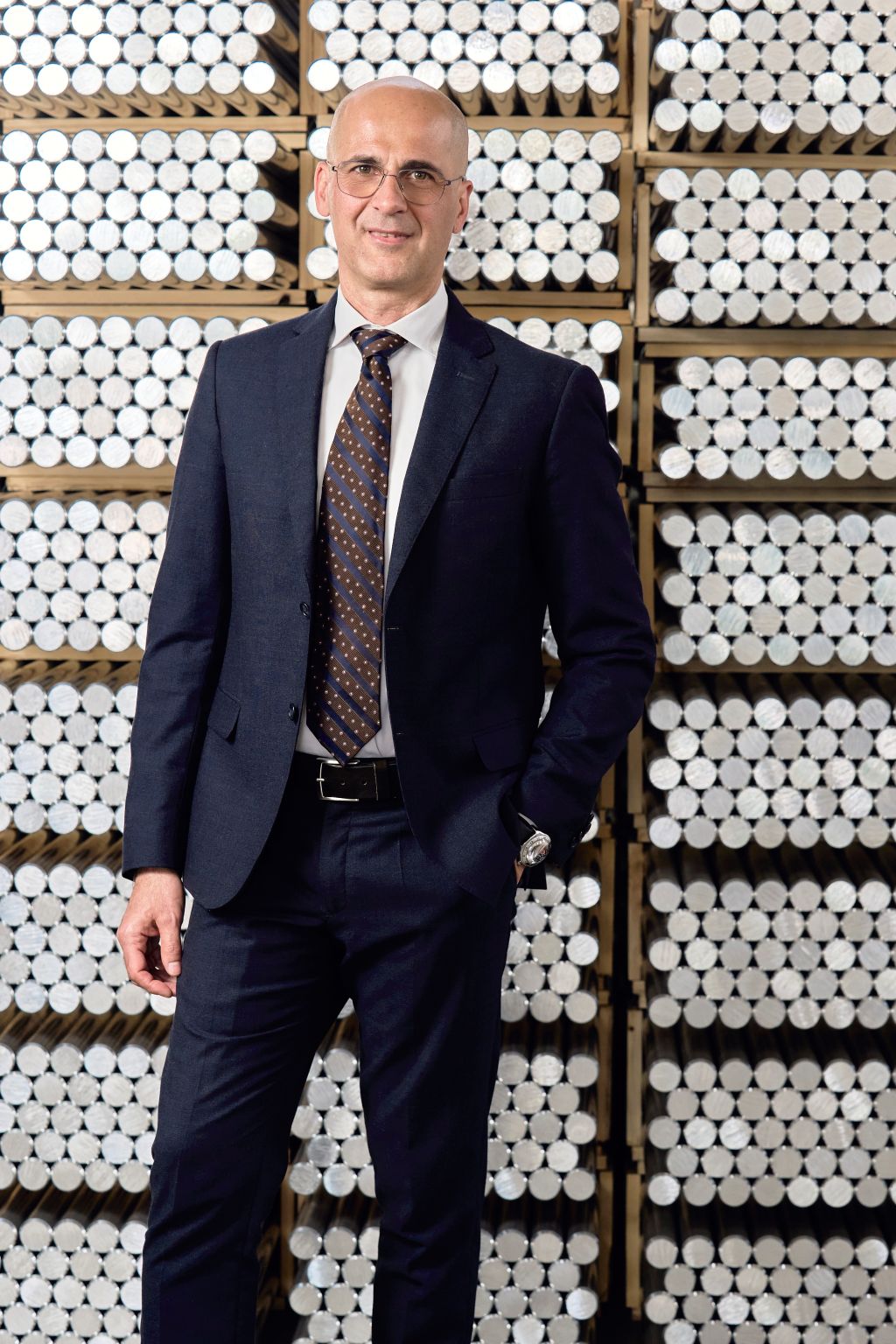
Transforming Scrap into Value: Eural's Model
For Eural, recycling is not merely a response to current market conditions, but the result of a pioneering industrial strategy that began in the 1990s and has been consistently developed through continuous investments in technologies, processes, and competencies. This path enables the company to combine sustainability with maximum performance while reliably meeting the demanding quality and technical requirements of industries such as automotive, aerospace, and mechanical engineering.
One of Eural's most significant achievements is its ability to produce high-performance alloys from various scrap sources. The company has developed processes that efficiently utilize both internal foundry and extrusion scrap – the so-called run-around process – as well as secondary materials from predominantly Italian and European recycling loops.
Thanks to this production model, Eural has been able to continuously supply its customers at all times and has not recorded any interruptions in raw material supply so far. At the same time, the company is consistently working to control the content of accompanying elements – particularly lead. In developing lead-free alloys, the real challenge lies less in eliminating lead itself or replacing it with other elements, but rather in being able to use scrap from different sources that may contain undesirable elements for the respective alloy composition. The goal is to keep their concentration within controlled limits to expand recycling possibilities without compromising the performance or quality of the end product.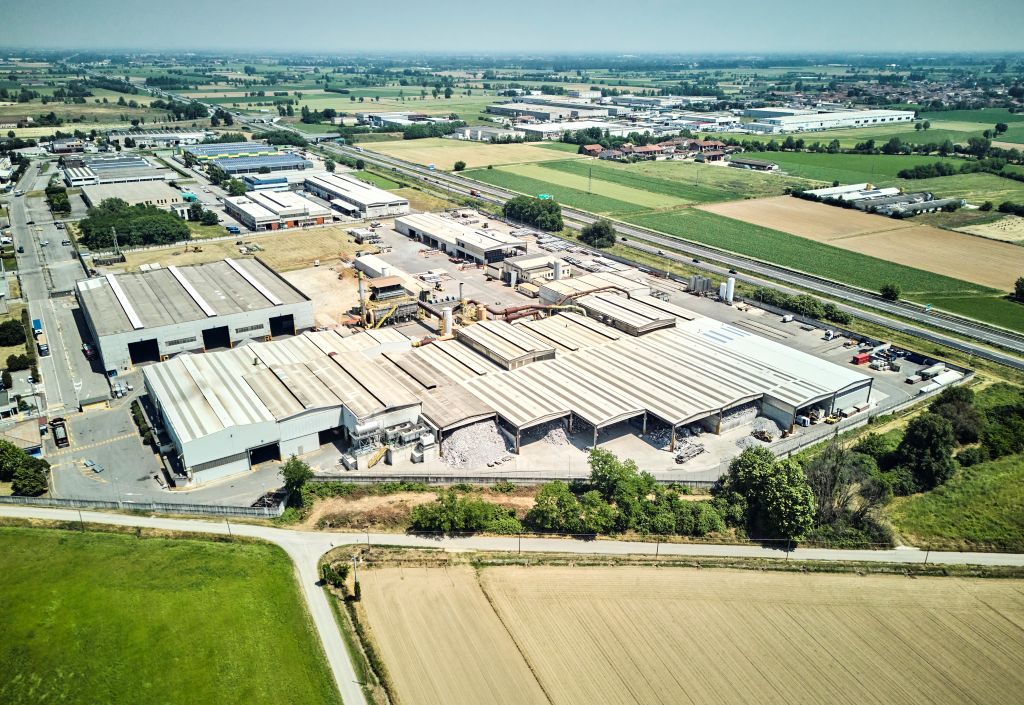
Even today, the lead content in aluminum alloys is continuously decreasing. The further development of the European legal framework – particularly the RoHS Directive – will additionally accelerate this process. Although lead will still be present in recycling material for several years due to long-lasting products, such as those from the automotive industry, the usual recycling processes will lead to a gradual reduction in its concentration, so that it will only be present in traces in future alloy generations.
"Eural's experience shows that investments in innovation and research enable the challenges of the global environment to be transformed into opportunities for growth and competitiveness," explains Giorgio Di Betta, Sales Director of Eural Gnutti. He concludes: "The measures currently being prepared by the European Union can contribute to a more resilient and more circular-oriented production system, thereby creating the conditions for sustainable industrial growth in the long term."
Contact: