
In January 2025, the World Economic Forum reported that selected production sites of its Global Lighthouse Network achieve remarkable productivity increases of 70 percent – while simultaneously reducing energy costs and time to market by 40 percent each. But how can such efficiency be achieved without driving up costs? James Thorpe, Global Product Manager for Hole Making and Composite Machining at Sandvik Coromant, demonstrates how a new drilling tool can optimize production in multi-material applications.
Not only the production facilities of the Lighthouse Networks but also manufacturing companies around the world face the challenge of producing an increasing number of components from different materials: from hardened steels to composite materials to softer metals and plastics. This requires uncompromising precision and efficiency. To achieve this and to streamline processes in an increasingly competitive market, tools are needed that can do more than conventional drilling.
Overcoming difficulties
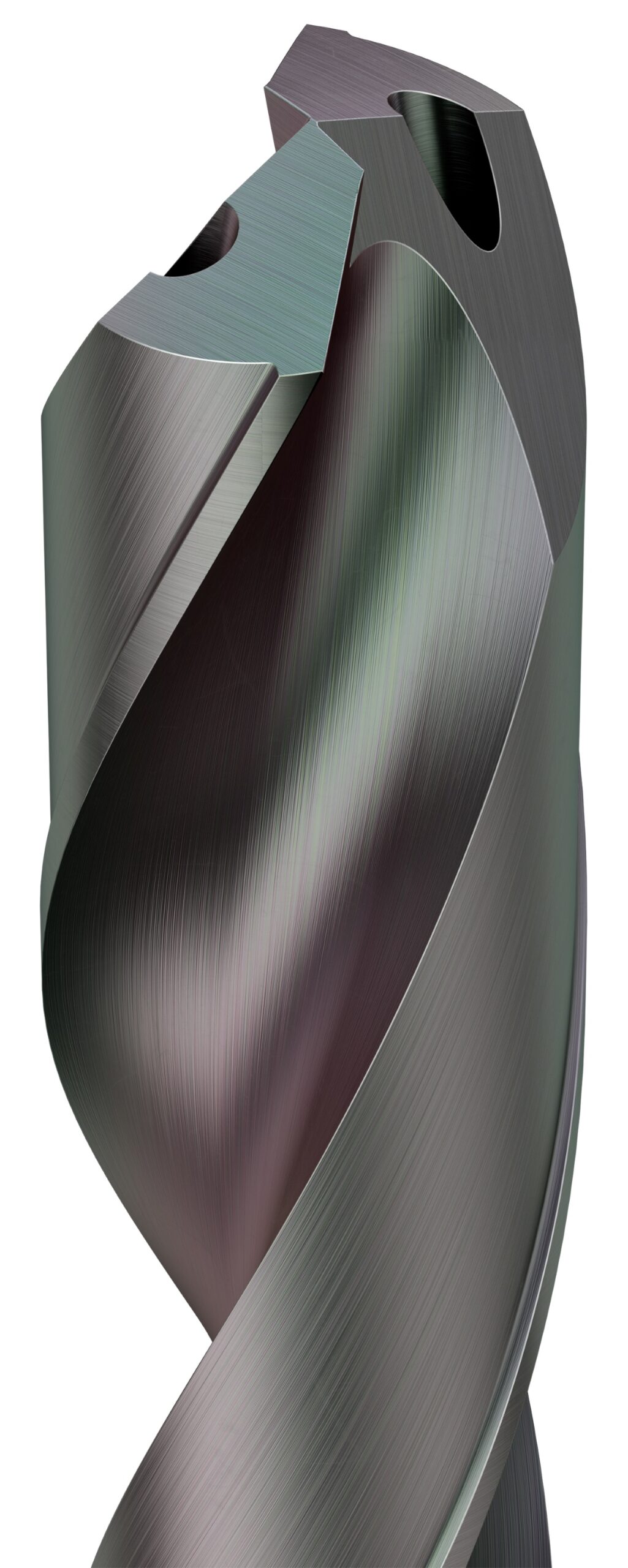
Drilling is a fundamental yet technically demanding manufacturing process. One of the biggest challenges is the variety of materials. Often, materials with very different properties are processed: from tough, hardened steels to light but ductile metals. And each material has its own peculiarities: Hardened steels can lead to excessive tool wear, while softer metals are more prone to deformation.
Heat generation and tool wear are critical factors. High cutting speeds, long machining cycles, and demanding material combinations generate excessive heat. This not only accelerates tool wear but also affects machining accuracy and can lead to surface defects and dimensional deviations.
Effective thermal management in both tool design and machining strategies is therefore crucial for the tool life and the quality of the components.
Another problem is chip removal: In deep hole drilling or applications with high feed rates, insufficient chip removal can lead to clogging, increased heat generation, and even tool failure. Therefore, drill flutes must be designed to allow for smooth and consistent chip removal to avoid interruptions and ensure stable machining conditions.
Process stability is also important. The exact positioning and straightness of holes are critical factors in the precision manufacturing of high-quality components for the aerospace and automotive industries. Even slight deviations can affect the function of the end product and lead to costly rework or scrap. To ensure the necessary stability, robust tool geometries and optimized machining parameters are required.
One drill for all materials.
To increase productivity while working economically, one needs drills that are versatile and can process multiple materials without frequent tool changes. New coating technologies and tool designs now make it possible for multi-material drills to deliver good performance without compromising quality. This saves costs and supports sustainable processes.
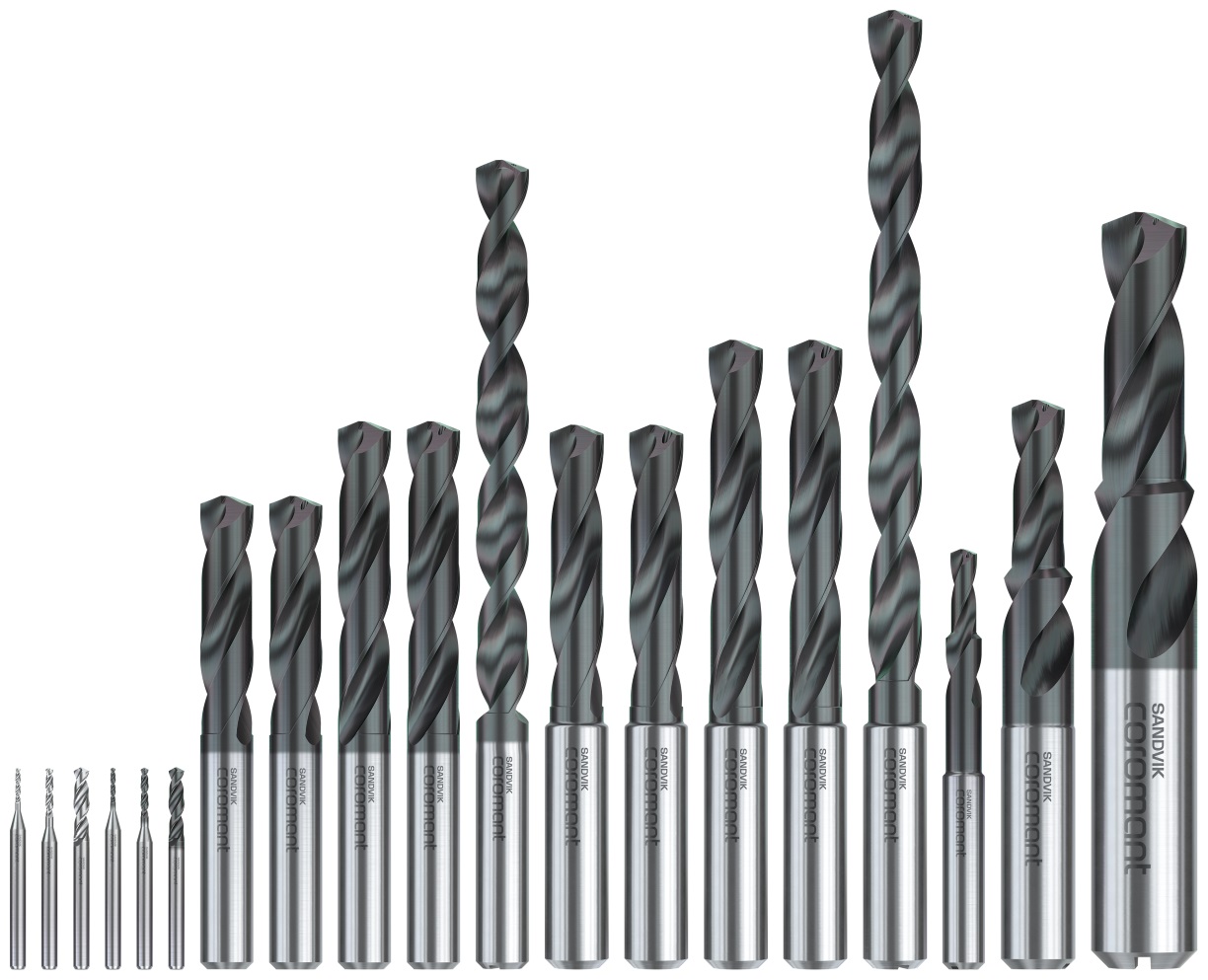
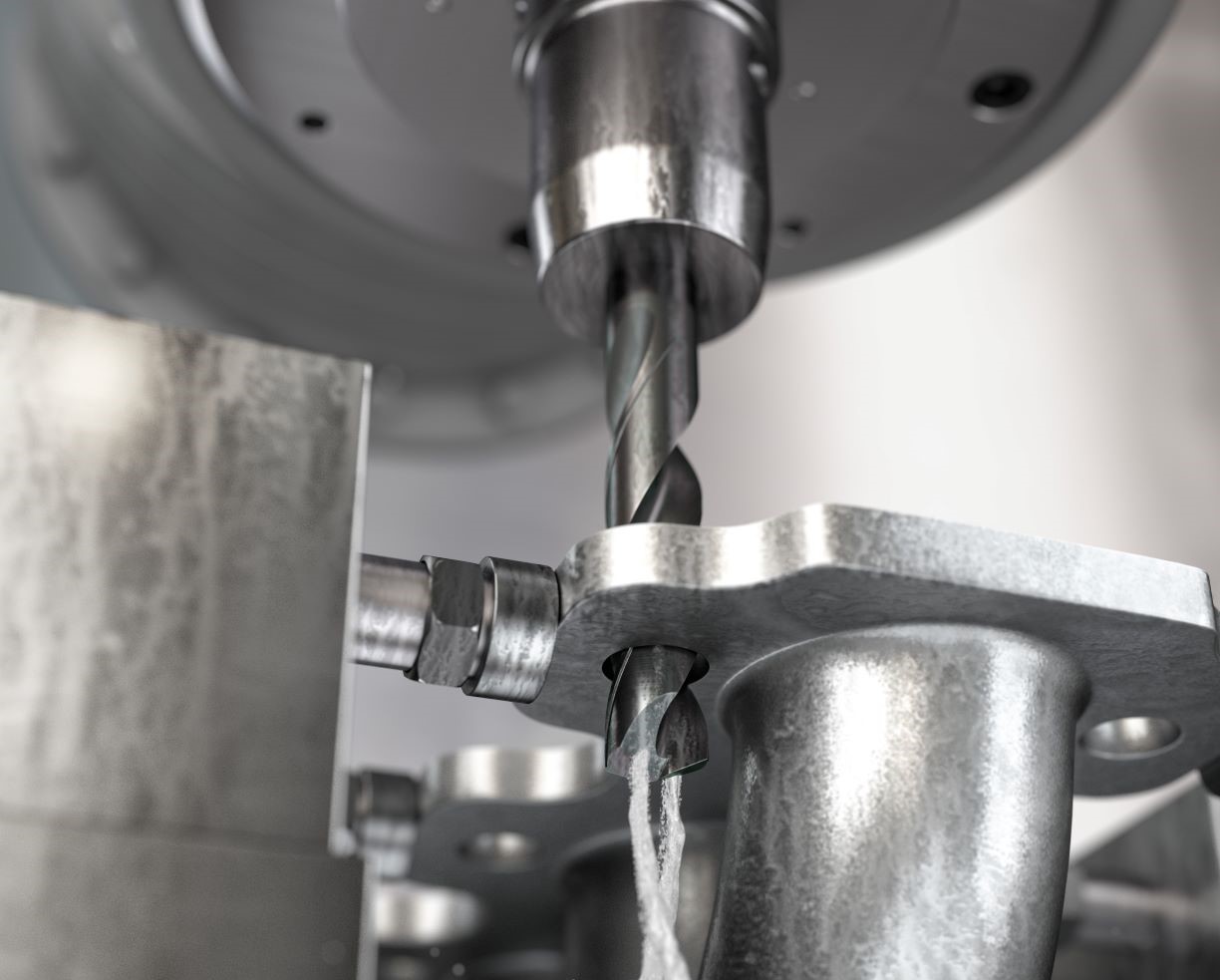
An example of this is the CoroDrill Dura 462, which has been specifically designed for high drilling performance in various materials. With its fine-grained carbide substrate, it offers high wear resistance and reliability. The controlled microstructure ensures consistent results even with demanding materials such as hard metals or ductile alloys. This makes the CoroDrill Dura 462 a tool for manufacturing companies that expect consistent precision regardless of the material composition of their components.
The geometry of the CoroDrill Dura 462 is designed for versatility. The special tip design significantly reduces cutting forces and improves positioning accuracy, especially in applications with tight tolerances. The clearance angle increases tip strength, while the single-flute design reduces heat generation. This enhances stability and optimizes overall performance.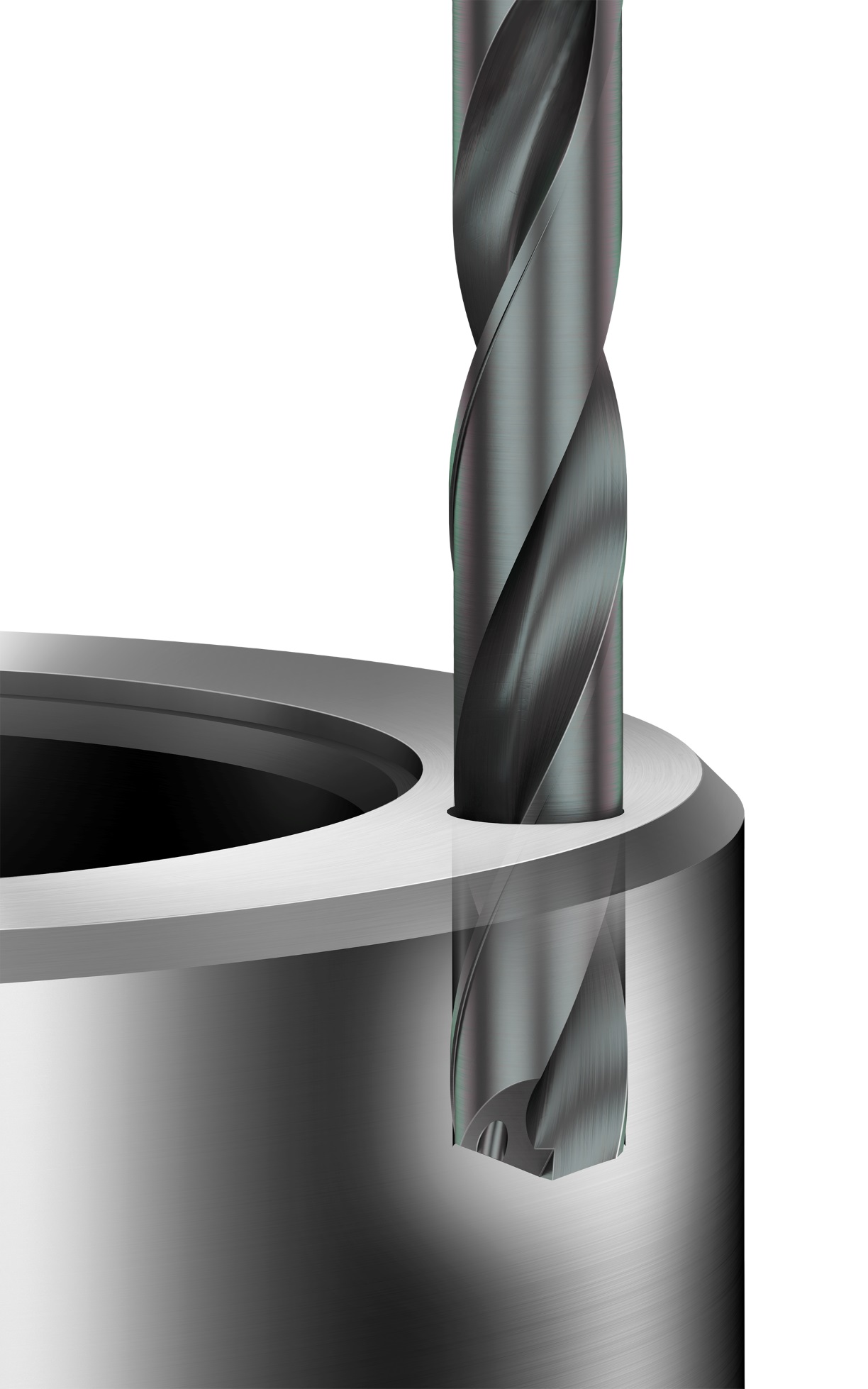
The drill becomes even more powerful with the patented PVD coating Zertivo® 2.0. In combination with the fine-grained carbide substrate, it offers excellent wear resistance and enables high-speed drilling with consistently high process stability.
Practical tests demonstrate the competitive advantages of the tool. At one customer, productivity was increased by 110 percent with the CoroDrill Dura 462, and tool life was extended by 36 percent. In another case, a productivity increase of 85 percent was achieved – with more than double the tool life compared to a low-cost competitor product.
Conclusion
While the "lighthouses" of the World Economic Forum point the way to more efficient manufacturing, companies need the right tools to manage the complexity of multimaterial manufacturing. In light of the increasing pressure to implement sustainable and cost-effective production processes, reducing waste, extending tool life, and lowering energy consumption are at the forefront. The balancing act between economic and ecological goals drives the demand for drilling tools that deliver better results while simultaneously reducing unit costs. A true breakthrough in productivity and sustainable business success is achieved by those who also rely on versatile solutions that master material diversity, thermal management, and process stability.
Contact: