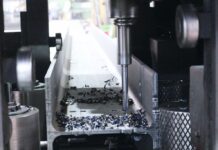

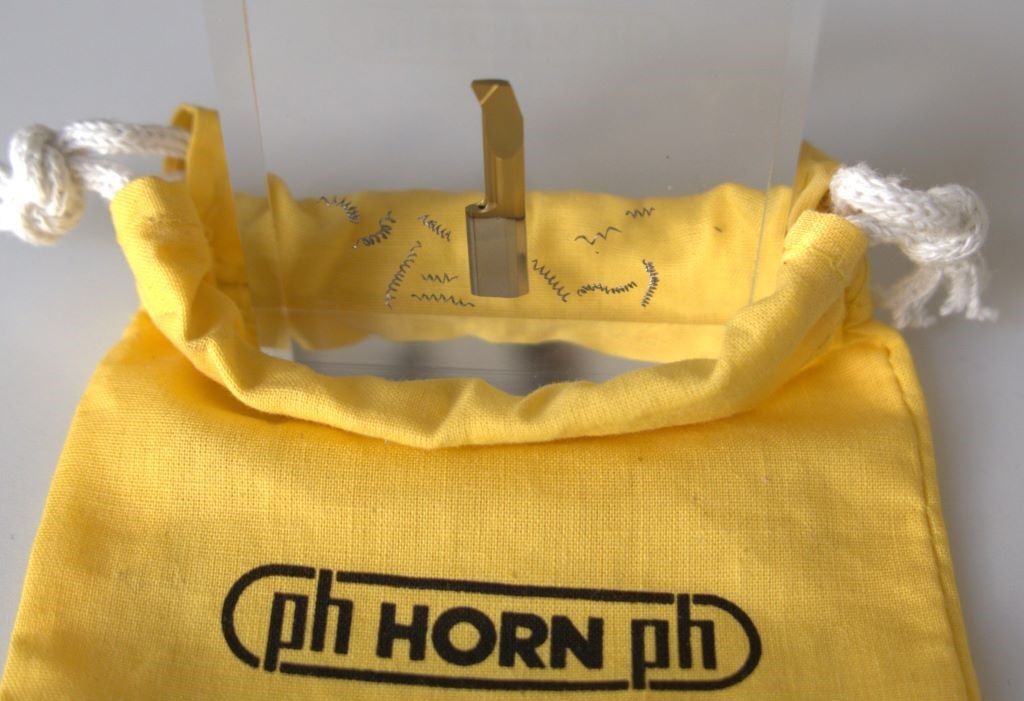
When new products are presented, it usually happens in the form of elaborate and often abstract glossy presentations. In this case, the invited trade press was first able to see in the production of Rich Präzision GmbH, a complete manufacturer of turned parts, what makes the new SUPERMINI precision tool different. Where the machining process on a steel component previously posed some problems, it was impressively demonstrated in practice that with the third generation of the SUPERMINI precision tool, tangled chips and thus the problems and additional effort belong to the past.
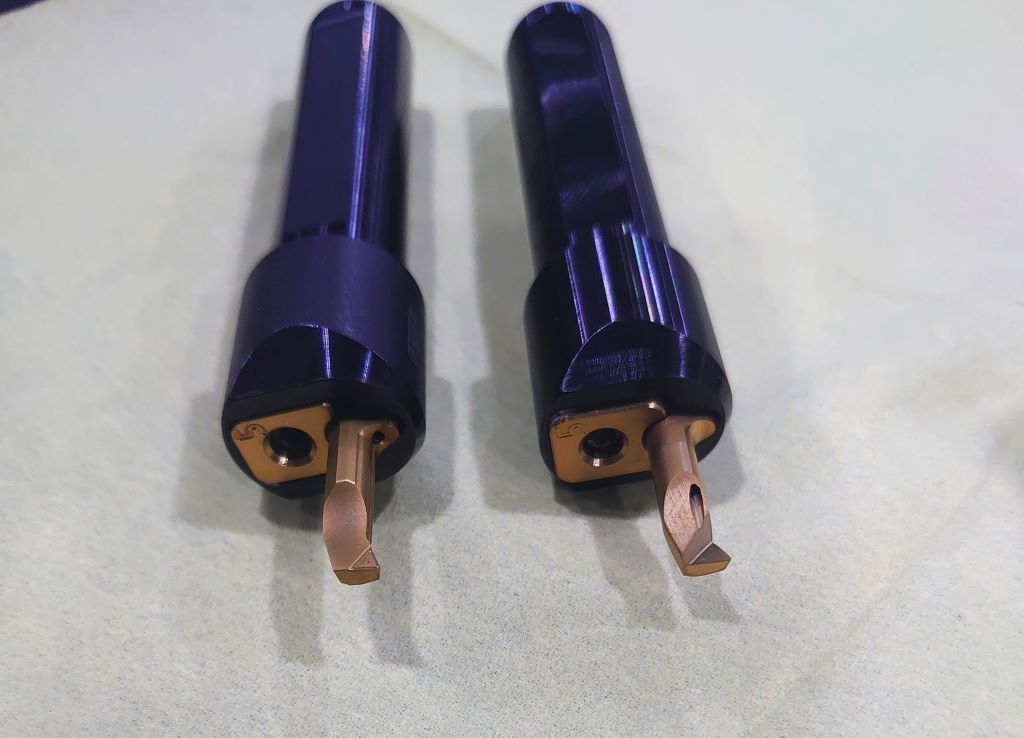
After this practical excursion, the specialists of the Horn Group proudly presented their new baby. Rightly proud, as it is a milestone in manufacturing technology to produce a fully sintered geometry that not only meets the challenges of machining practice but also provides the user with a significant added value. The specialists from Horn also made no secret that the path to this small revolution was very complex and rocky, especially since the coolant supply and the stability of the cutting area were significantly improved compared to the 2nd generation.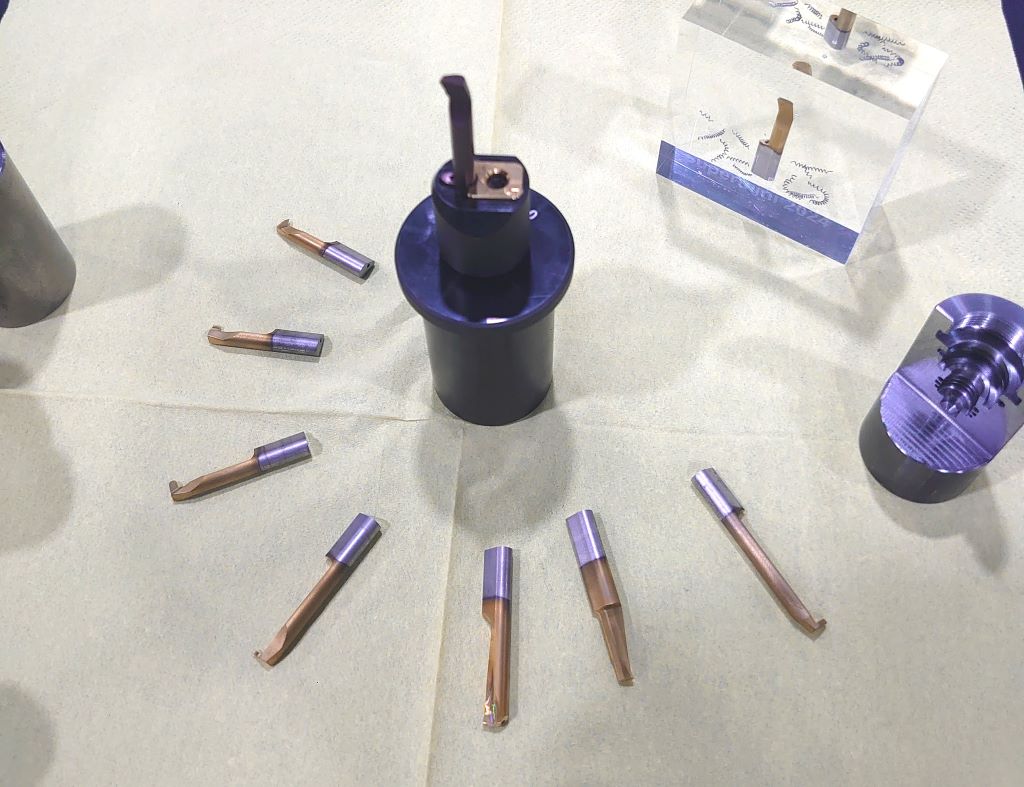
In the demonstration center at Horn, further examples were shown of how the new SUPERMINI has significantly changed the machining of Ecobrass, i.e., lead-free brass. The new chip-breaking geometry manages to eliminate troublesome long or tangled chips. Especially in machining processes in the micro range, such as boring, threading, chamfering, or back-turning, this is a known problem associated with additional effort.
Due to the sintered cutting geometry, additional and costly manufacturing steps, such as grinding or laser cutting processing, are eliminated in the manufacturing process of the precision tool. The already proven 'drop shape' of the shank in previous versions has also been improved by Horn due to the newly developed sintering technology, providing more stability. This reduces bending, prevents twisting compared to a cylindrical shank, minimizes vibrations, and ensures the tip height, which benefits tool life and precision.
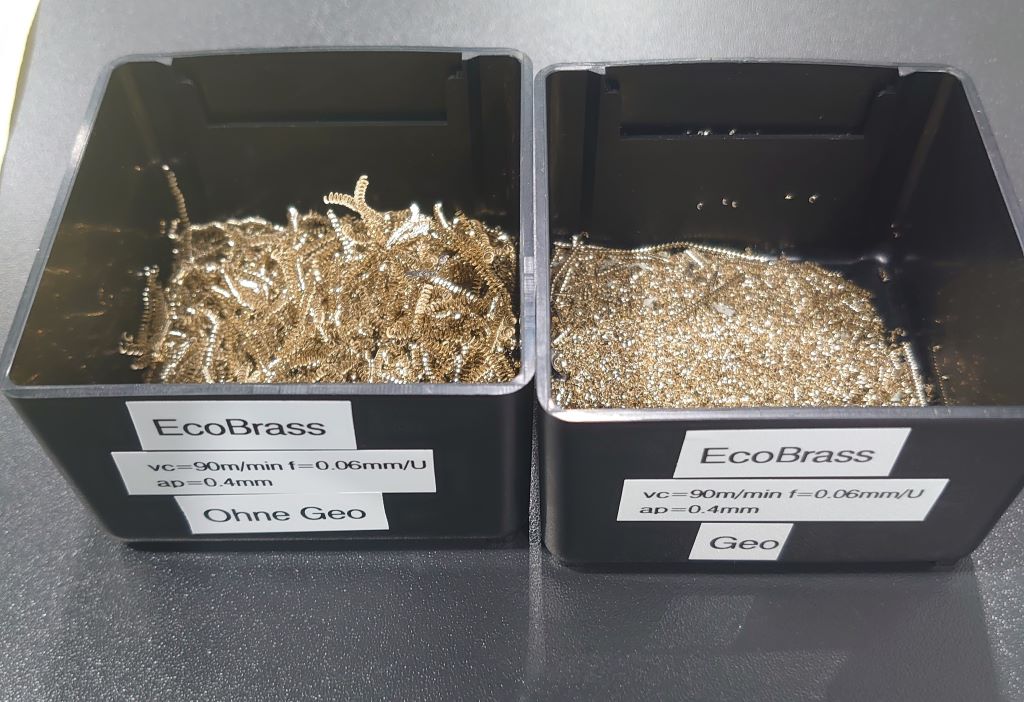
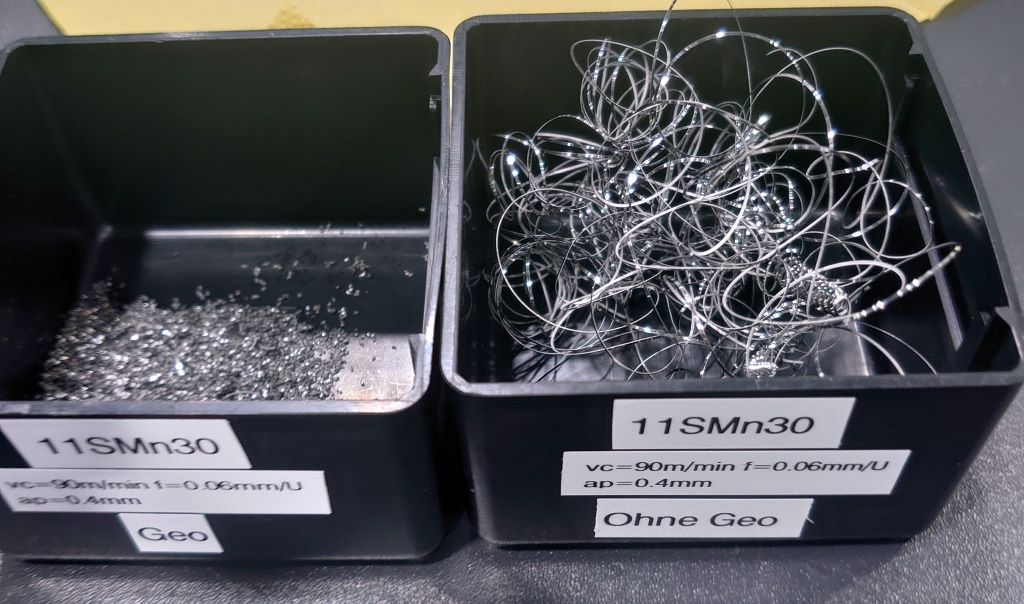
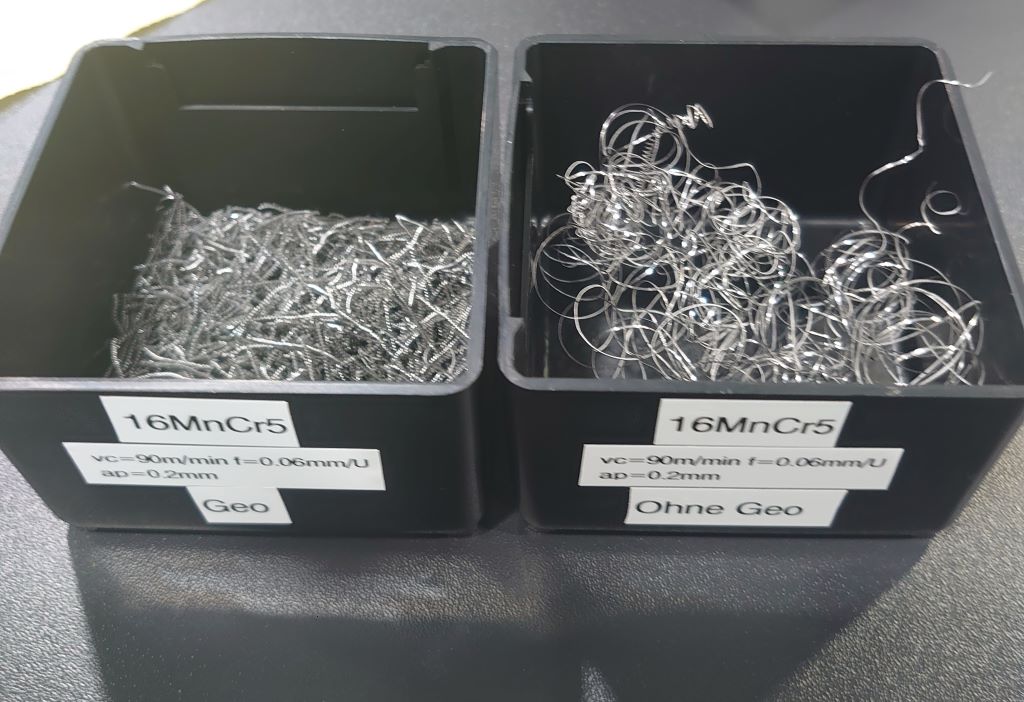
The first versions of the 3rd generation already cover a wide range of applications. Horn plans to present further versions by the AMB trade fair in September. According to Horn, the prices for the 'small revolution' will remain in the range of the previous version despite the high development costs.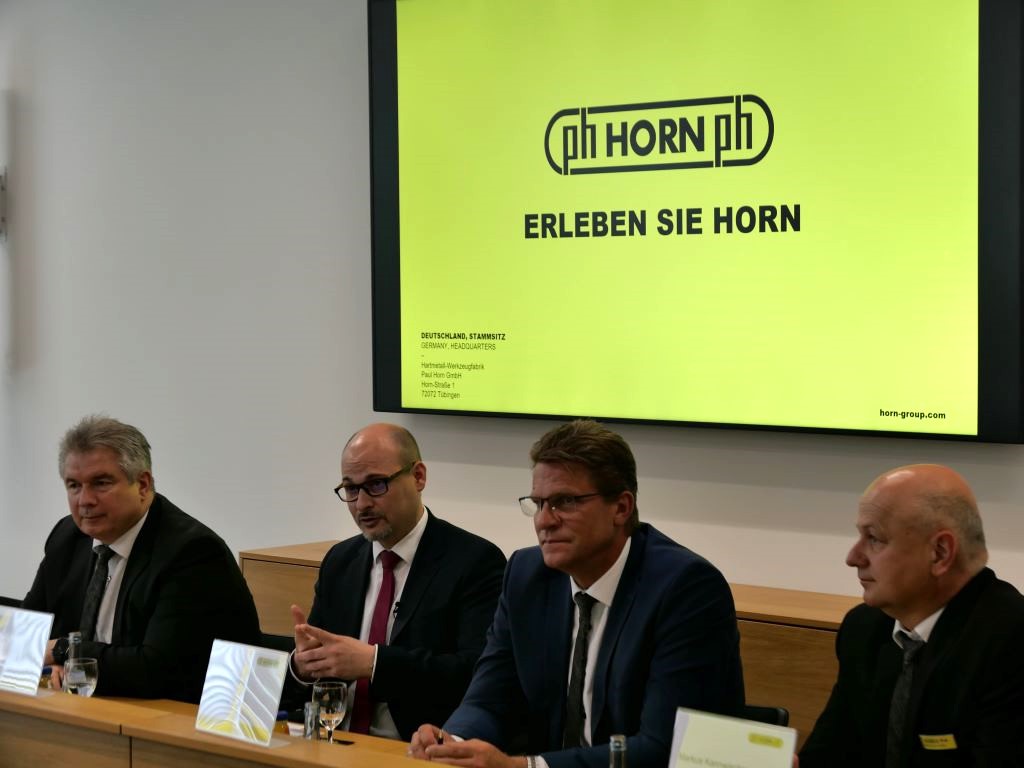
With the SUPERMINI precision tools, the carbide tool factory Paul Horn GmbH has been successful since 1989. The Horn portfolio now includes around 2,500 standard variants. With the 3rd generation, the Tübingen-based company has achieved an innovative development in all respects that promises enormous added value for the user.
(Frank Dietsche)
Contact: