
Fruit juices, iced teas, sports drinks, smoothies – such and other liquid, non-carbonated foods are often filled at temperatures of 85 to about 100 °C. This hot-fill process makes the beverages thermally stable and neutralizes most microbial germs. The containers must withstand this procedure as well as the vacuum that occurs after sealing during cooling. As a bottle material, PET (polyethylene terephthalate) offers the best properties and can be precisely processed into temperature- and vacuum-stable geometries using the stretch blow molding process. This places the highest demands on the blow molds, in which the prefabricated and heated PET preforms take their final shape under high blow pressure and high temperatures.
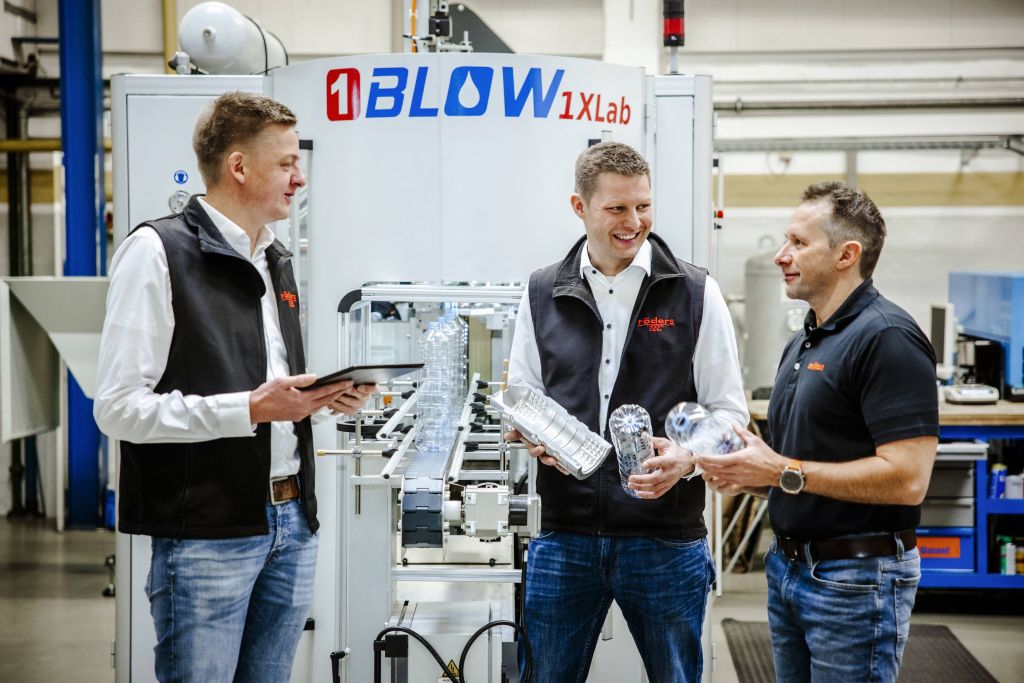
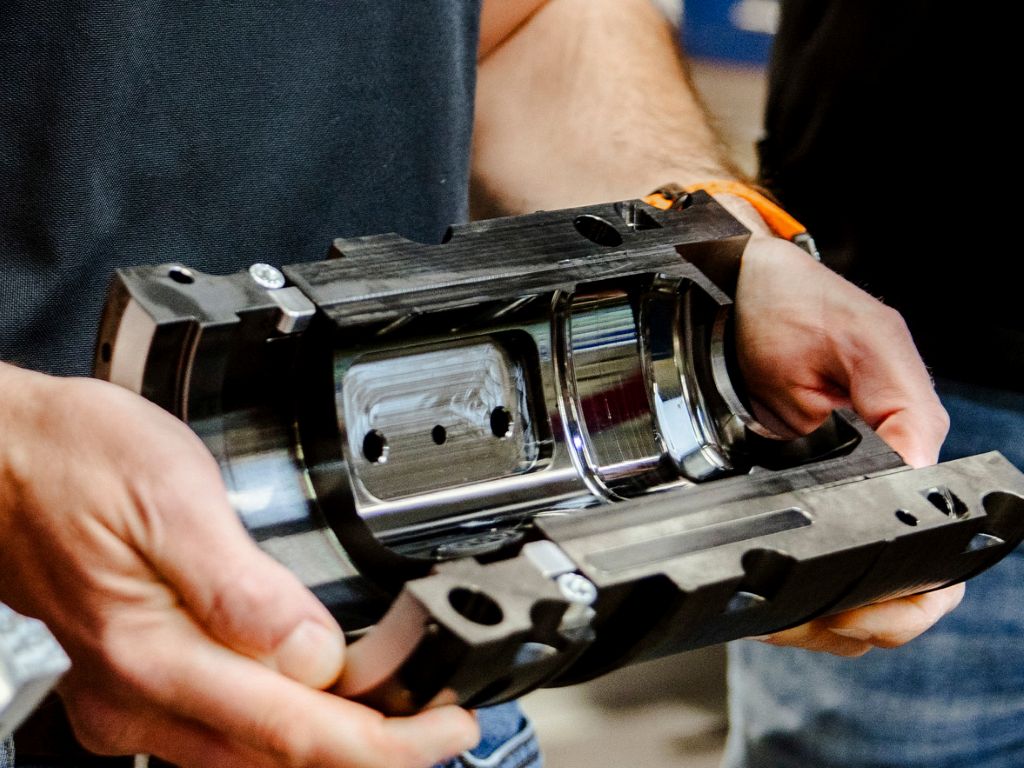
At this point, the mold-making experts from Röders showcase their extensive know-how. The internationally active company, headquartered in Soltau, Lower Saxony, has been shaping the development of PET blow mold technology since its inception in the 1970s to the present day. Since then, several hundred thousand blow molds have been delivered to customers worldwide; currently, the capacity is 7,000 per year, and the delivery time is usually very short. The backbone of this is Röders' largest business area: the production of HSC (High Speed Cutting) machines, in which blow molds can also be produced with high-gloss surfaces (Ra < 10 nm) without manual polishing.
Only one machine stop per shift
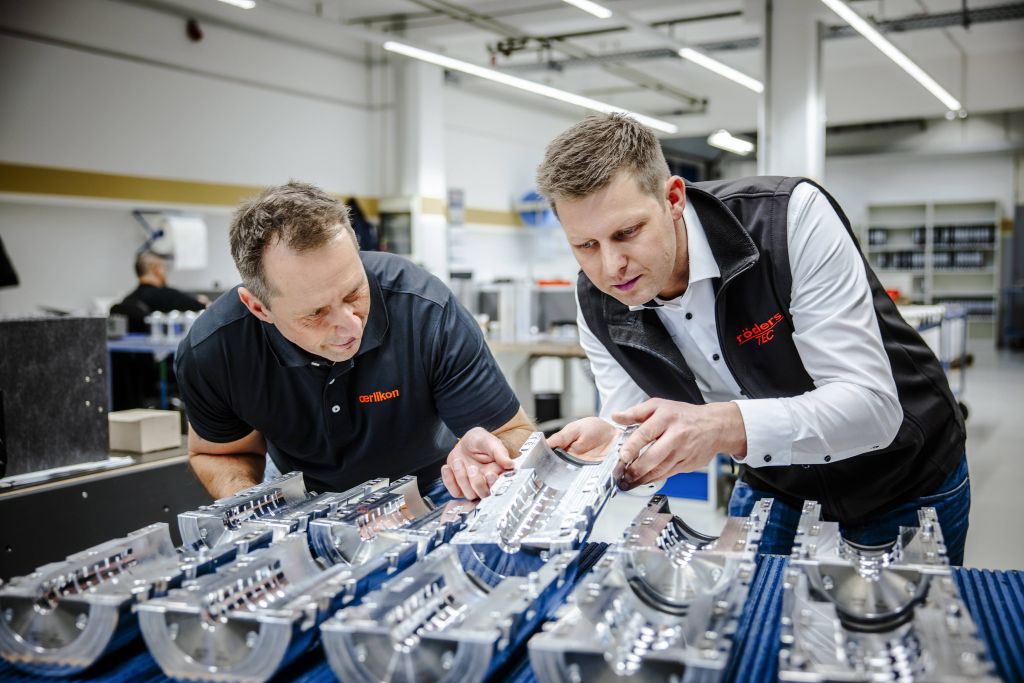
Highest surface quality is essential for Röders – especially for steel blow molds for stable hot-fill processes. Very smooth mold areas and a design that ensures optimal mold filling and demolding are crucial. Coatings like BALINIT DYLYN PRO, which Röders recommends to its customers, provide significant added value. The carbon-based DLC layer (Diamond Like Carbon) from partner and surface specialist Oerlikon Balzers was specifically developed for the food and medical industries. It is chemically safe, certified by the Food and Drug Administration (FDA), and thus offers a globally valid quality advantage over other coatings.
Moreover, it reliably protects against corrosion and wear. Its outstanding anti-adhesive properties result in significantly less friction and abrasion in the contact between mold and PET material. This minimizes the stick-slip effect: the heated plastic adheres less, does not stop abruptly, and does not tear off. The result: better material flow, uniform mold filling, easier demolding, and a higher optical quality of the PET bottles, especially at critical points. Above all, manufacturing and cost-effectiveness benefit.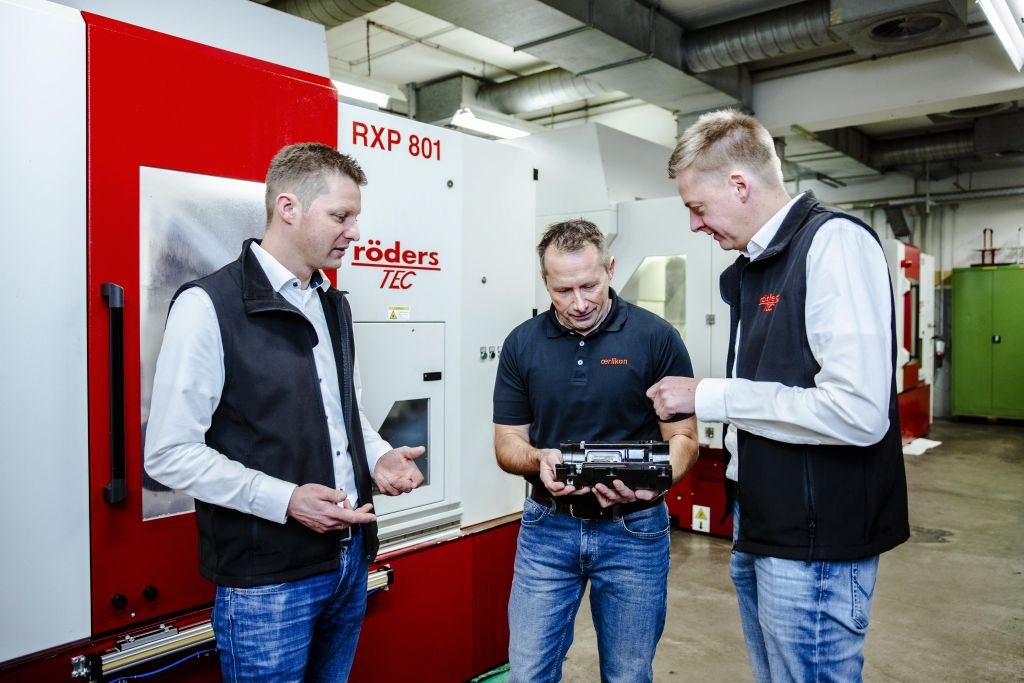
Thanks to BALINIT DYLYN PRO, a US customer of Röders now only has to stop his machines once for mold cleaning during an 8-hour shift – previously, several stops were necessary. The cleaning duration itself has also been reduced, as mold coatings can now be removed more quickly. 'Considering large production lines with 20 blow stations and an average of about 30,000 bottles produced per hour, significant cost effects can be calculated for continuous operation in mass production,' explains Steffen Lüning, Sales Manager for blow molds at Röders.
Reduced machine downtimes have a direct impact on overall equipment effectiveness (OEE), unit costs, and delivery capability, enabling a quick return on investment regarding coating costs.
That the coating improves material flow and mold filling is also economically beneficial, adds Helge Heuer, Technical Sales Manager for blow molds at Röders: 'This can sometimes reduce the blow pressure and thus also the energy consumption – a great advantage in regions with high energy costs.' Not least, BALINIT DYLYN PRO demonstrates its good anti-adhesive properties in the increasing processing of recycled PET. Because fluctuations in rPET quality can promote deposits on the molds if the blow process is not appropriately adjusted. Coated mold surfaces counteract this effect.
Contact: