
In aerospace, ceramic cutting materials have been the preferred choice for many years when it comes to machining safety-critical parts such as engine components made of nickel-based or high-temperature superalloys. The materials are temperature-resistant, tough, and difficult to machine. Where carbide tools reach their limits, ceramics can showcase their strengths. They enable very high cutting speeds, short processing times, and productive processes. With clever tool solutions, innovative cutting materials, and expertise, ISCAR supports users in machining with ceramics.
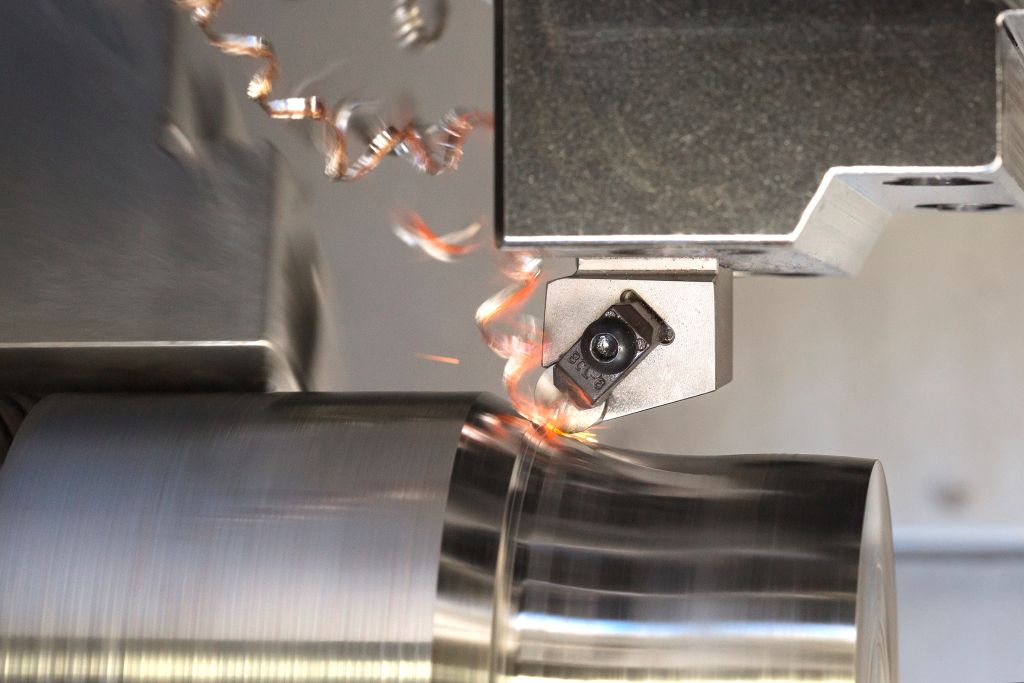
"Ceramics withstand significantly higher temperatures than carbide, they are harder and chemically much more resistant," summarizes Antonia Splettstößer from Business Development at ISCAR the advantages of the cutting material. "This allows for significantly higher cutting speeds and thus productivity increases." While turning Inconel 718 with a coated carbide insert, about 50 meters per minute is realistic, a ceramic cutting tool achieves more than 300 meters per minute.
Innovations in Cutting Materials and Tools
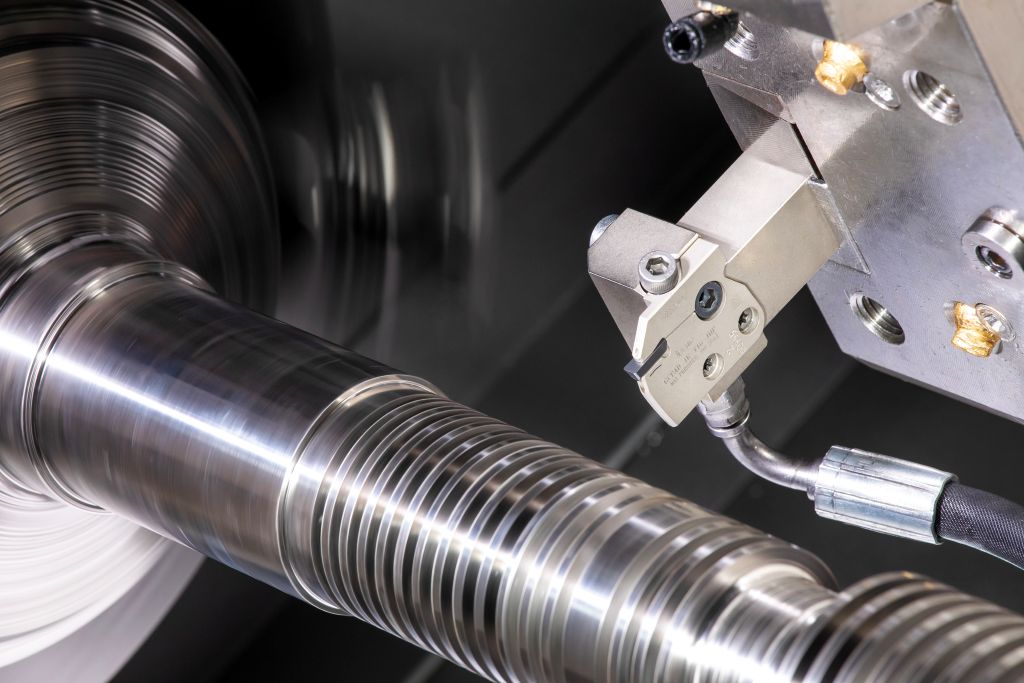
Originally, ceramic inserts were primarily used for roughing in aerospace, but more and more users in the industry are now also venturing into finishing. The reason: The ceramics, cutting inserts, and tools have been continuously developed, improving fracture safety and toughness.
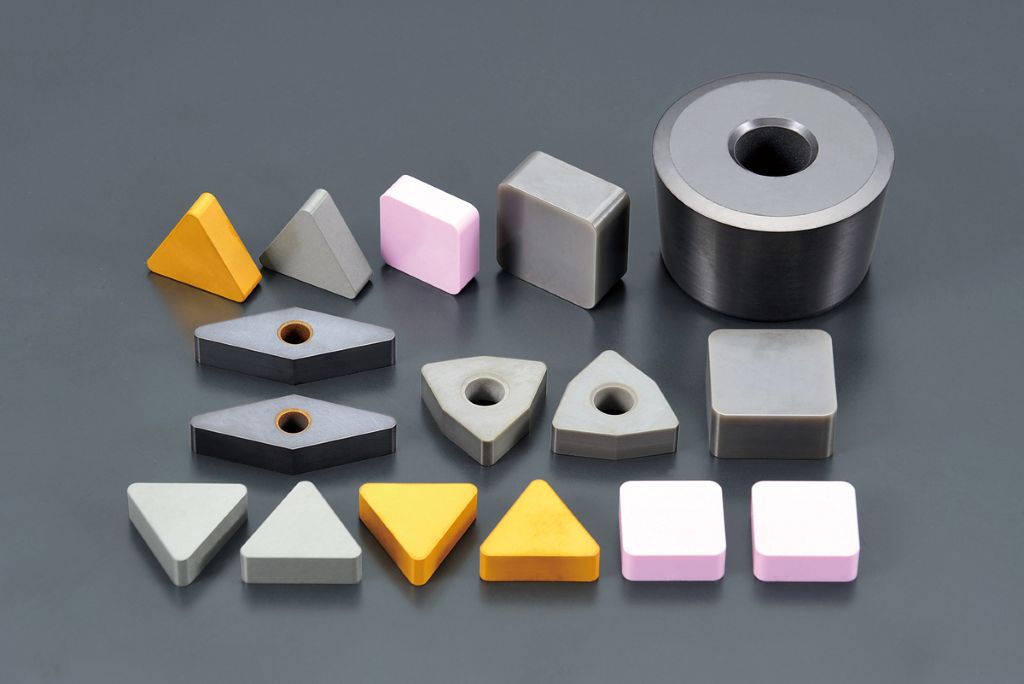
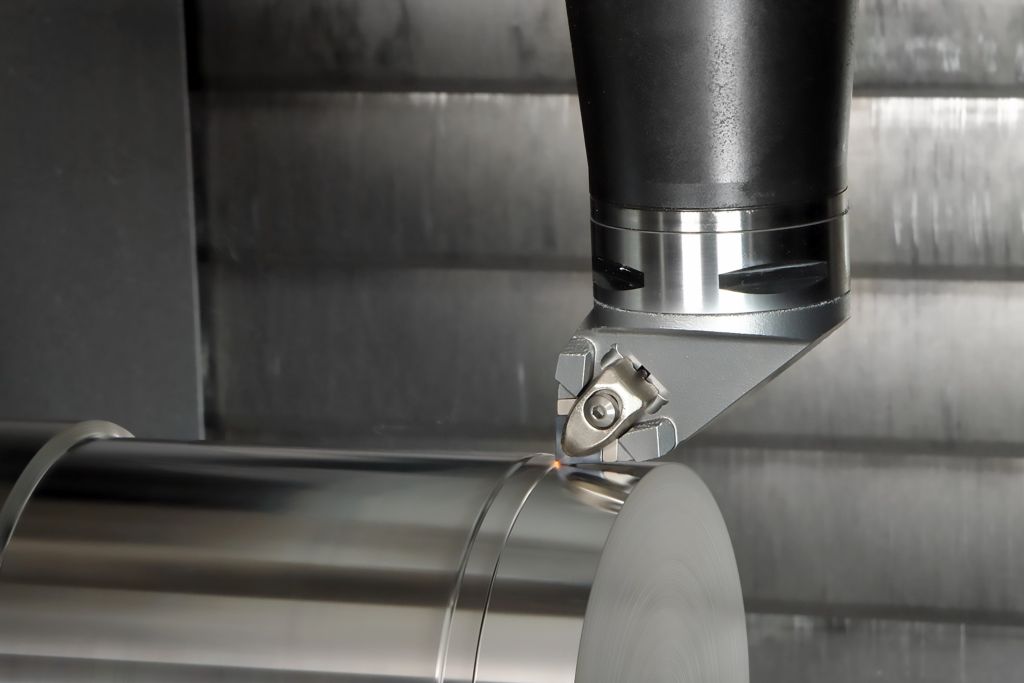
The range of ceramic cutting materials is large. Whisker-reinforced ceramics combine high temperature resistance with greater fracture safety and enable cutting speeds of up to 300 meters per minute. SiAlON ceramics are somewhat less temperature-resistant but allow for significantly higher feeds, making them ideal for roughing.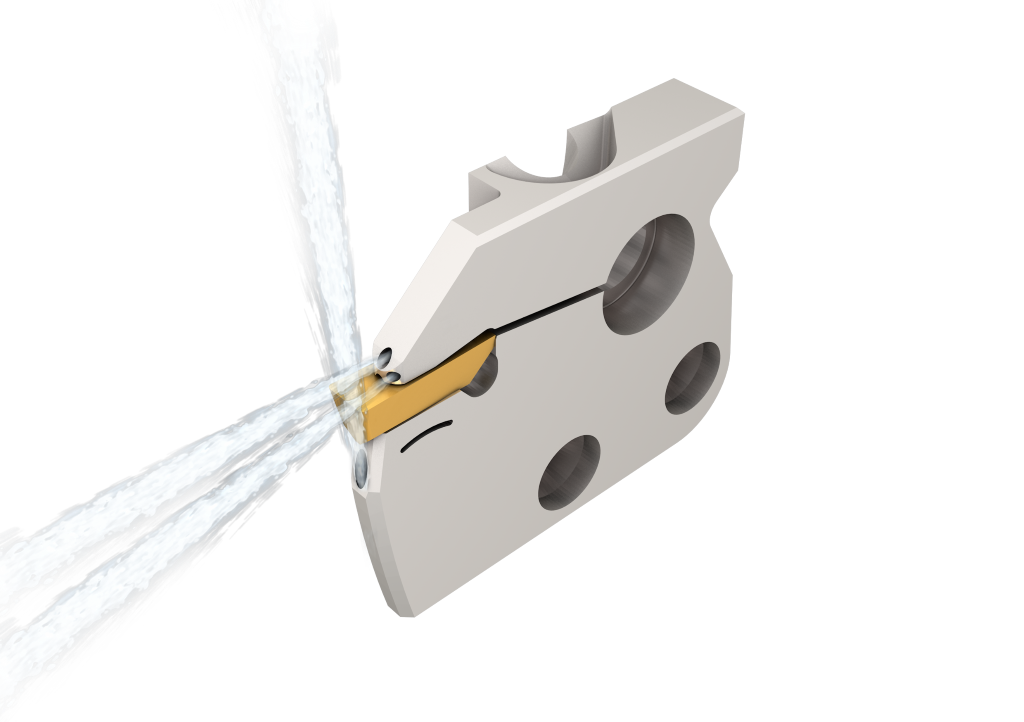
Another development stage is the so-called Bidemics, ISCAR's innovative cutting material that combines the advantages of ceramics and carbide. It enables high-speed machining of up to 400 meters per minute while improving process stability. "ISCAR offers a wide portfolio with more than 400 different ceramic inserts. There is a suitable cutting tool for every application," Antonia Splettstößer is confident.
Higher Productivity
There are also innovations on the tool side. For example, ISCAR has developed a GCPAD adapter designed for grooving and turning in high-temperature alloys and castings with ceramics. Thanks to additive manufacturing, it features an integrated damping mechanism that reduces impact loads and minimizes the risk of insert breakage, as well as flow-optimized internal cooling channels and precisely aligned coolant exits. "This directs the coolant exactly where the heat is generated, namely right into the cutting zone," explains Antonia Splettstößer.
With ISCAR's new CERMTURN turning tools, users can flexibly, easily, and economically use ceramic cutting materials in turning operations. The CAMFIX and shank tools feature interchangeable cassettes for ceramic and carbide cutting inserts. Machinists are highly flexible with the jet-cooled tool and can use multiple insert options with one holder and the different, securely clamped cassettes.
The cutting material is also used in casting and hard machining and everywhere high temperatures and extreme loads occur while achieving high productivity. "With carbide cutting materials, ISO-S and -K materials can be processed reliably. With ceramics, users have the opportunity to significantly increase the productivity of these processes," summarizes Antonia Splettstößer. In practice, this means: where it is economically and technologically sensible, carbide inserts are replaced by ceramics.
Expertise for Machinists
This also brings companies that have little or no experience with this cutting material into contact with it. "Many new users have grown up with carbide and are very familiar with its use," says Antonia Splettstößer. "Unfortunately, ceramics work completely differently."
An example: While reducing the cutting speed often helps to increase the tool life with carbide, because less heat is generated in the cutting zone, the opposite is true for ceramics. "Here, high temperatures are even desired because the material to be machined becomes softer. This contradicts the intuition of many machinists – they often have to increase the cutting speed to achieve longer tool lives," explains the expert.
To optimally support users, ISCAR has established its own ceramic, CBN, and PKD competence team that works based on scientific findings and solid expertise. It assists customers in selecting the appropriate cutting material, offers individual training, and imparts practical knowledge – from the basics of material science to concrete tips and troubleshooting methods.
Contact: