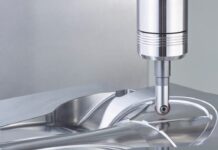

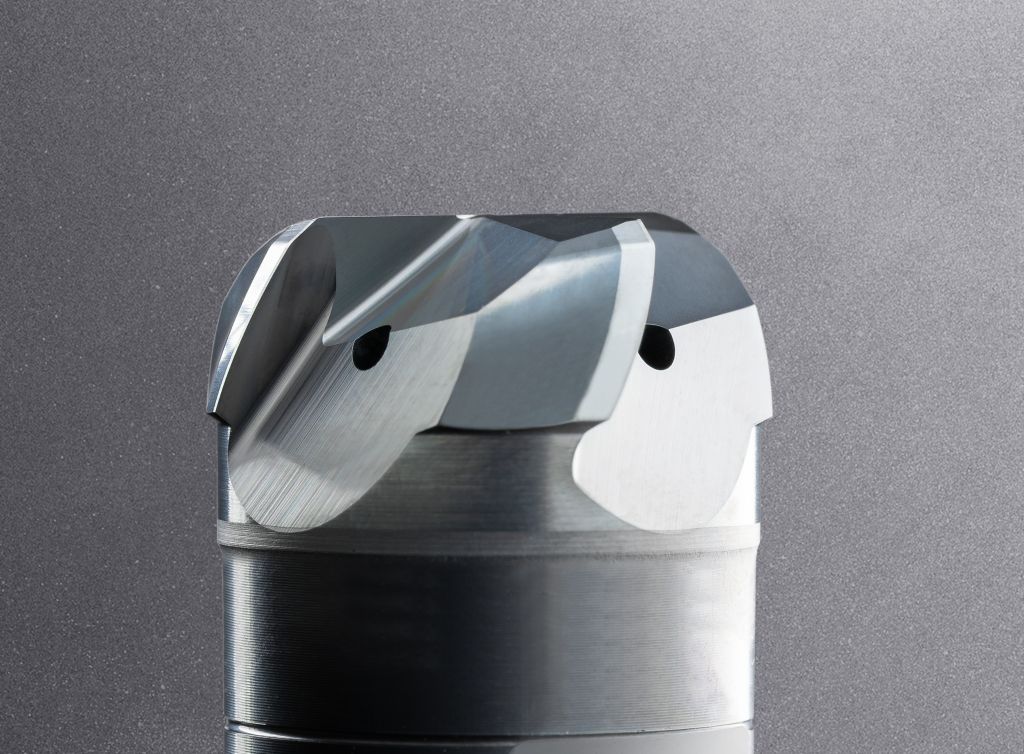
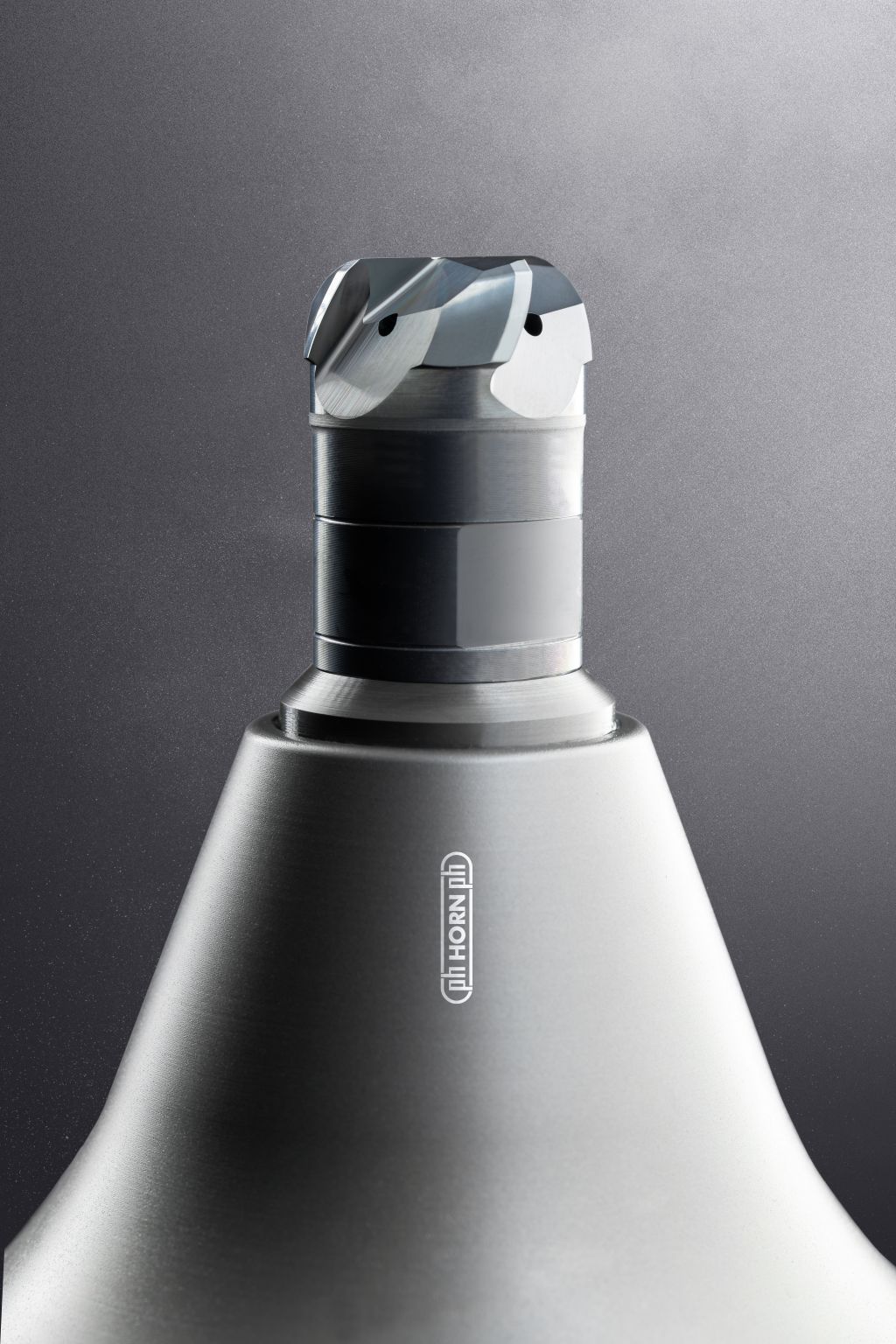
Horn specifically designed the system for the increasing demands for precision, flexibility, and productivity in the manufacturing of homokinetic joints. The system covers a wide range of components and offers three system sizes. Flexible machining strategies enable both soft and hard machining – from roughing and chamfering to finishing milling. Customers can precisely adapt the strategy to their process requirements, ensuring high cost-effectiveness.
The tool manufacturer specifically enhances the performance of the tool system with the KX system. Soft-cutting cutting heads and defined cutting edge preparations increase process reliability.
The precise IK positioning and a newly developed interface improve rigidity. Practical benchmarks demonstrate the performance capability: users significantly increase cutting values and reduce cycle times.
Thus, they shorten the machining time by several seconds per workpiece depending on the component and sustainably increase productivity.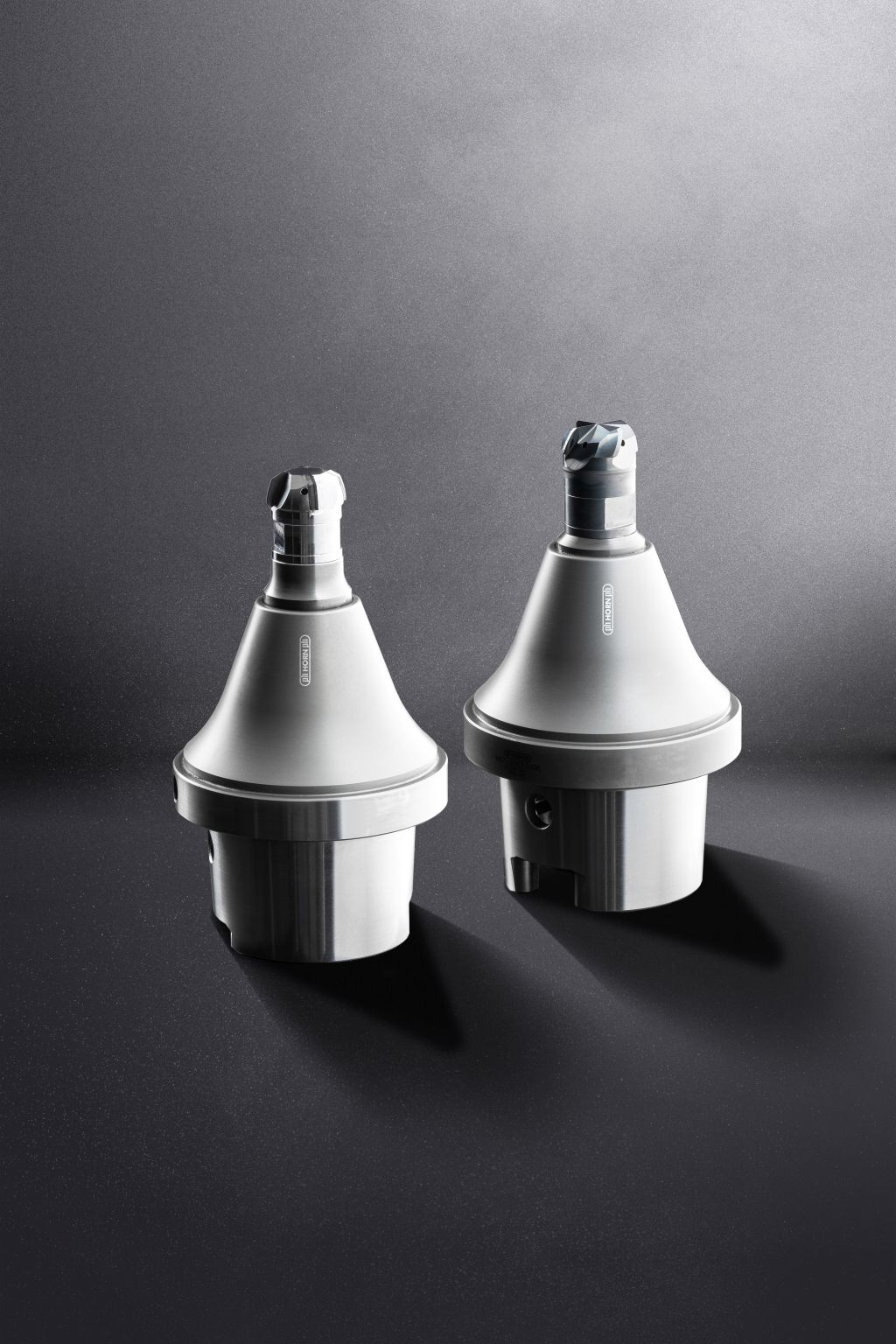
They are used in every automobile: homokinetic joints, also known as constant velocity joints. The joint serves to evenly transmit torque and angular velocity from the drive shaft to a second shaft positioned at an angle. Constant velocity joints transmit rotational motion uniformly to the next shaft. The joints are most widely used in vehicle construction for transmitting power from the transmission to the drive wheels. Constant velocity joints can transmit rotational movements at angles of up to 50 degrees. In addition to ball fixed joints, constant velocity sliding joints are also used. They allow for axial movement in addition to angular movement, ensuring that power transmission is not interrupted during steering or wheel suspension movements.
The heart of a homokinetic joint is the balls that roll in precisely machined ball tracks.
The ball tracks have very low manufacturing tolerances and a high surface quality to be achieved. The tight tolerances and manufacturing quality determine the long lifespan of the joints. Therefore, the form tolerances of the parameters are in the micrometer range.
Contact: