
The directives 2000/53/EC (ELV), REACH 1907/2006, and RoHS 2011/65/EU collectively aim to eliminate lead from materials and thus reduce health and safety risks for humans throughout the entire lifecycle of products – from production through use to disposal and recycling. Despite the proven harmful effects of this substance, the regulatory process is proceeding at different speeds, influenced by the availability of alternatives deemed technically and economically viable. The result? A patchwork of different deadlines and transition periods that aim for the gradual and final elimination of lead but simultaneously risk unnecessarily prolonging the transition that should actually occur more swiftly and decisively.
The end of lead has begun
In this context, Eural Gnutti – a manufacturer of drawn bars from aluminum alloys for machining and one of the largest suppliers of extruded bars and profiles – has set the countdown to zero and is accelerating the transition with solutions that are already lead-free and comply with the regulations under development. This approach not only shortens adaptation times but also positions the company advantageously against upcoming regulatory challenges.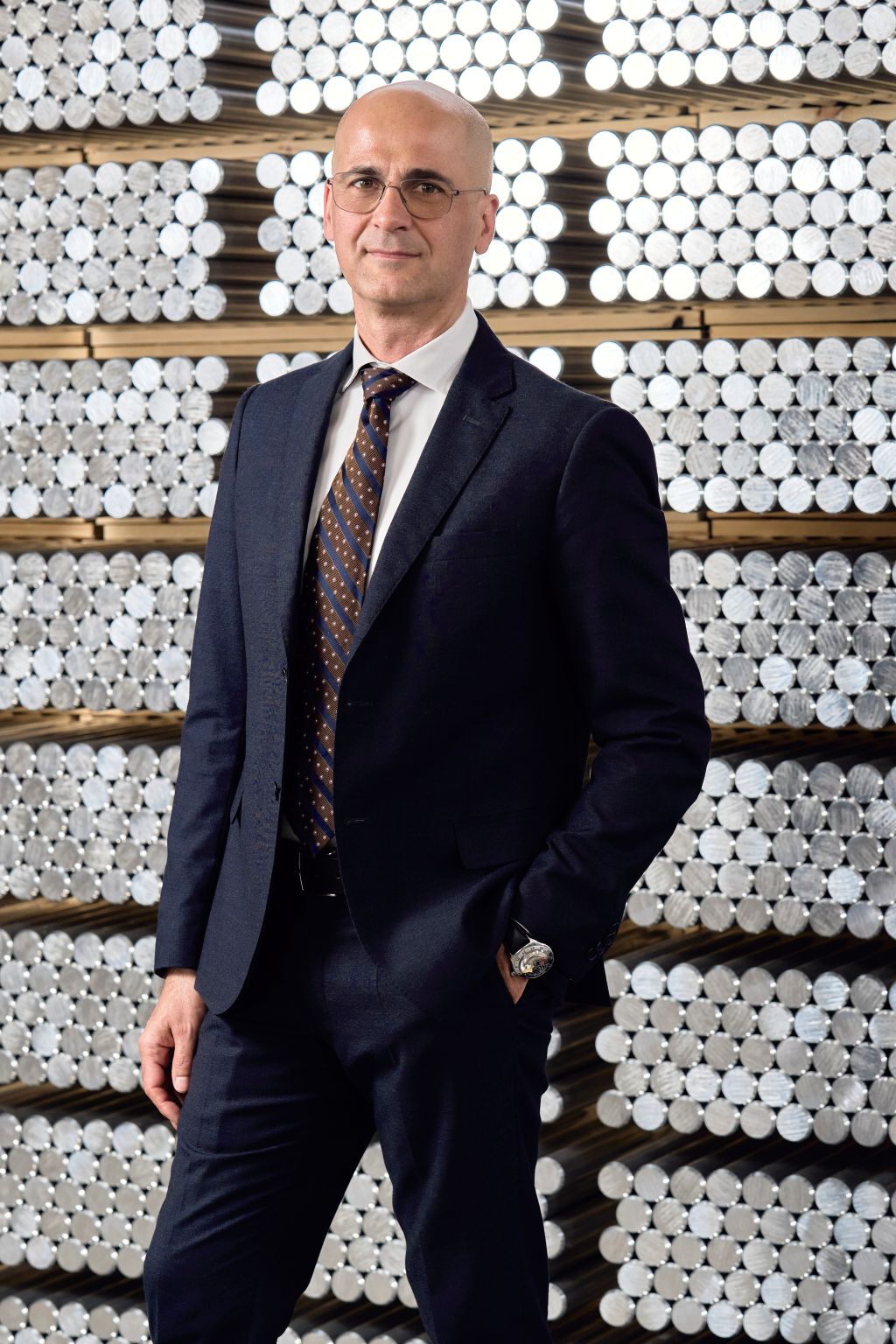
Specifically, Directive 2000/53/EC (ELV) focuses on the automotive sector and prohibits the use of lead in end-of-life vehicles, with exceptions for certain critical components for which specific exemptions have been granted. Although these have been extended, they are being gradually reduced, with an expected expiration date at the end of 2027. The REACH regulation, which governs the registration, evaluation, authorization, and restriction of chemical substances, classifies lead as a substance of very high concern and highly toxic above 0.1% (SVHC list). It mandates reporting and authorization procedures and imposes stricter restrictions on the use and trade of lead in metal alloys. Further assessments are currently being conducted for a final ban in certain sectors.
The RoHS directive, on the other hand, restricts the use of lead in electrical and electronic devices and only allows exceptions for specific applications. Specifically, the amendments to Annex III of Directive 2011/65/EU concern exemptions for the use of lead as an alloying element in aluminum with progressive expiration dates. However, the exemption for lead-containing aluminum alloys for machining will expire at the end of 2026.
"Our LEAD-FREE alloys fit perfectly into a regulatory framework aimed at limiting lead content in alloys, as lead is considered an ecotoxic element," explains Giorgio Di Betta, Sales Director of Eural Gnutti. "This was confirmed by the delegated regulation (EU) 2024/197 of the European Commission dated October 19, 2023, which was published on January 5, 2024.
This regulation brought significant changes to Regulation (EC) No. 1272/2008 regarding the harmonized classification and labeling of certain environmentally toxic substances, including lead." He continues: "Since the 1990s, Eural Gnutti has made significant investments in research and development to anticipate and support this epochal change early – a crucial step for the sustainable future of the industry." In conclusion, he emphasizes: "At the same time, we believe it is essential to ensure competitiveness in the international market under fair conditions for all market participants. It is our wish that appropriate measures are taken to ensure a uniform level of compliance and to avoid inequalities compared to non-EU countries that continue to market products that do not comply with the applicable regulations."
Why lead-free alloys are the future
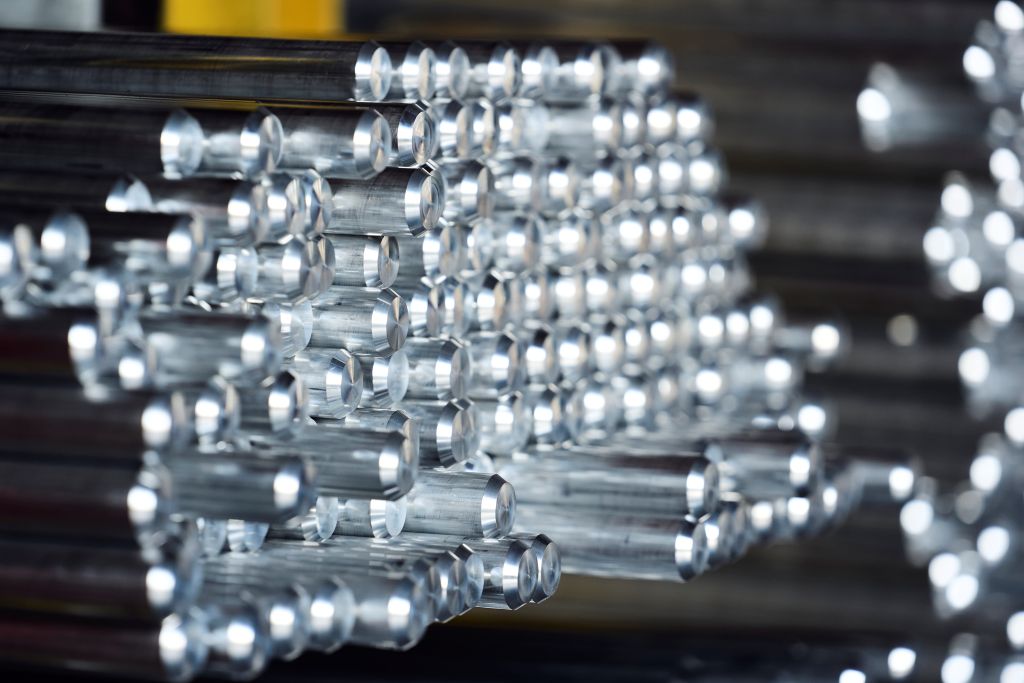
Although the use of lead in industry is steadily declining, it has historically played a key role in iron and non-ferrous alloys to optimize their machinability. Due to its specific distribution within the alloy, lead improves chip formation and reduces friction between metal and tool. However, Eural Gnutti's forward-looking strategy has demonstrated that it is possible to develop new, lead-free alloys that are both technically and economically viable and offer the same high-performance characteristics. This innovation ensures outstanding machinability and increases the productivity of machine tools by enabling shorter cycle times – with positive effects on production costs and the quality of the manufactured components.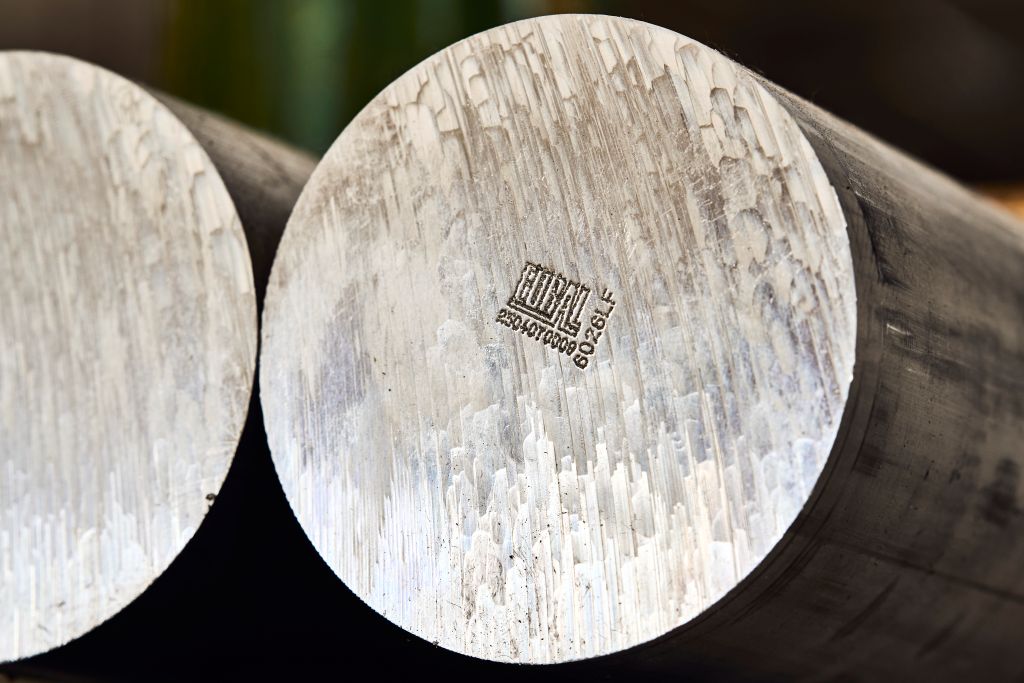
In detail, the LEAD FREE project marked a significant development step for the company and led to the development of three state-of-the-art alloys, partially made from recycled aluminum. The first, 6026LF, paved the way for this new generation of materials. It was followed by alloy 2033, specifically developed as a replacement for highly machinable alloys of the 2000 series, as well as the latest and most innovative variant, 2077.
The 6026LF LEAD FREE alloy from EURAL represented a milestone in the industry as it combines excellent mechanical properties with exceptional chip formation while offering high machinability and versatility. It is particularly valued in the automotive industry, especially in brake systems and applications requiring high strength and top-notch surface quality – even after hard anodizing. Additionally, the chemical composition of the alloy is suitable for contact with food, as numerous scientific studies have shown.
The 2033 LEAD FREE alloy from EURAL was developed to provide excellent performance in machining on high-speed automatic lathes, particularly through the formation of extremely fine chips. Thanks to its superior mechanical properties and its ability to withstand higher pressures than the 2011, the 2033 is particularly suitable for applications in highly specialized industries, including automotive, electrical and electronics, stamping, and the production of screws, bolts, and threaded parts – even with thin wall thicknesses. Here, optimal machinability and fast production times are essential.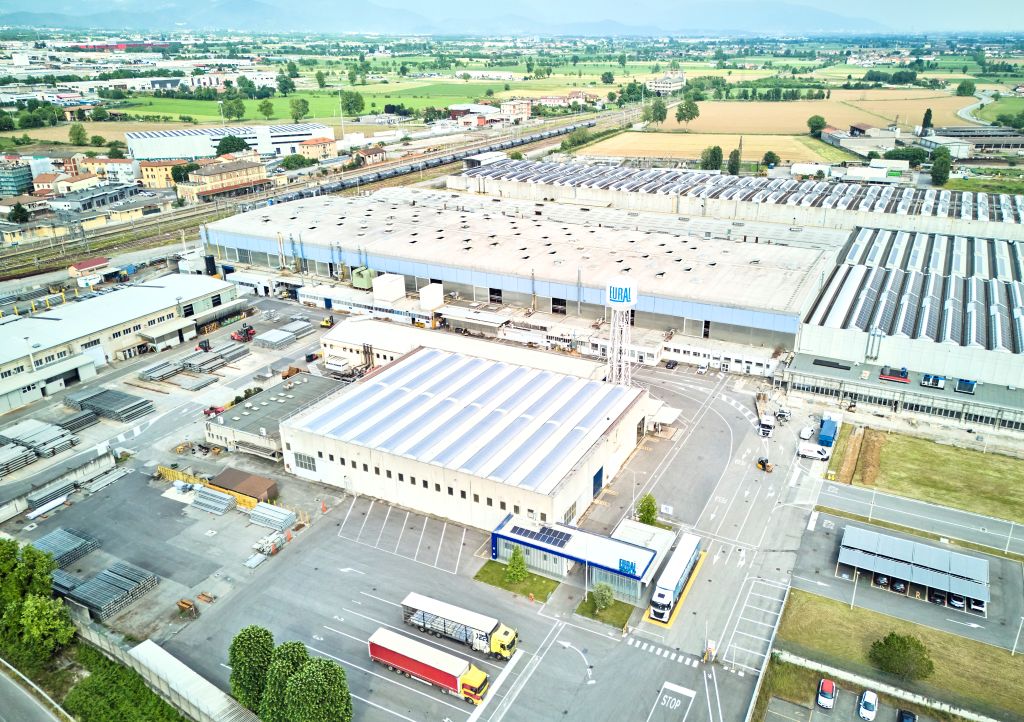
Finally, the 2077 LEAD FREE from EURAL represents an innovation in the field of high-strength alloys, as it is the only one that guarantees both high mechanical properties and excellent chip formation. With its combination of high strength and exceptional machinability, the 2077 serves as an alternative to certain steel grades and cast iron. The chip formation, comparable to alloys 2011 and 2033, enables extremely high productivity levels, tighter tolerances, improved surface roughness, and longer tool life – an ideal alloy for the most demanding applications.
"The implementation of the principles of the circular economy is an integral part of Eural Gnutti's strategy, positioning itself as a Green Transition Enabler – with the ability to accelerate the transition to a more responsible industry. Our LEAD-FREE alloys are part of a broader plan that combines technological excellence with reducing environmental impact and efficient resource use," explains Paola Gnutti, President of Eural Gnutti, adding: "In this sense, recycling aluminum is a central part of this vision and demonstrates that innovation, sustainability, and competitiveness can go hand in hand – without compromises."
Contact: