
Aluminum machining is gaining importance, especially in the automotive industry. Due to its low weight, aluminum is ideally suited to reduce the weight and thus the fuel consumption of vehicles. The great diversity of aluminum alloys to be processed and their different properties, caused by the specific silicon content, pose a significant challenge for tool manufacturers.
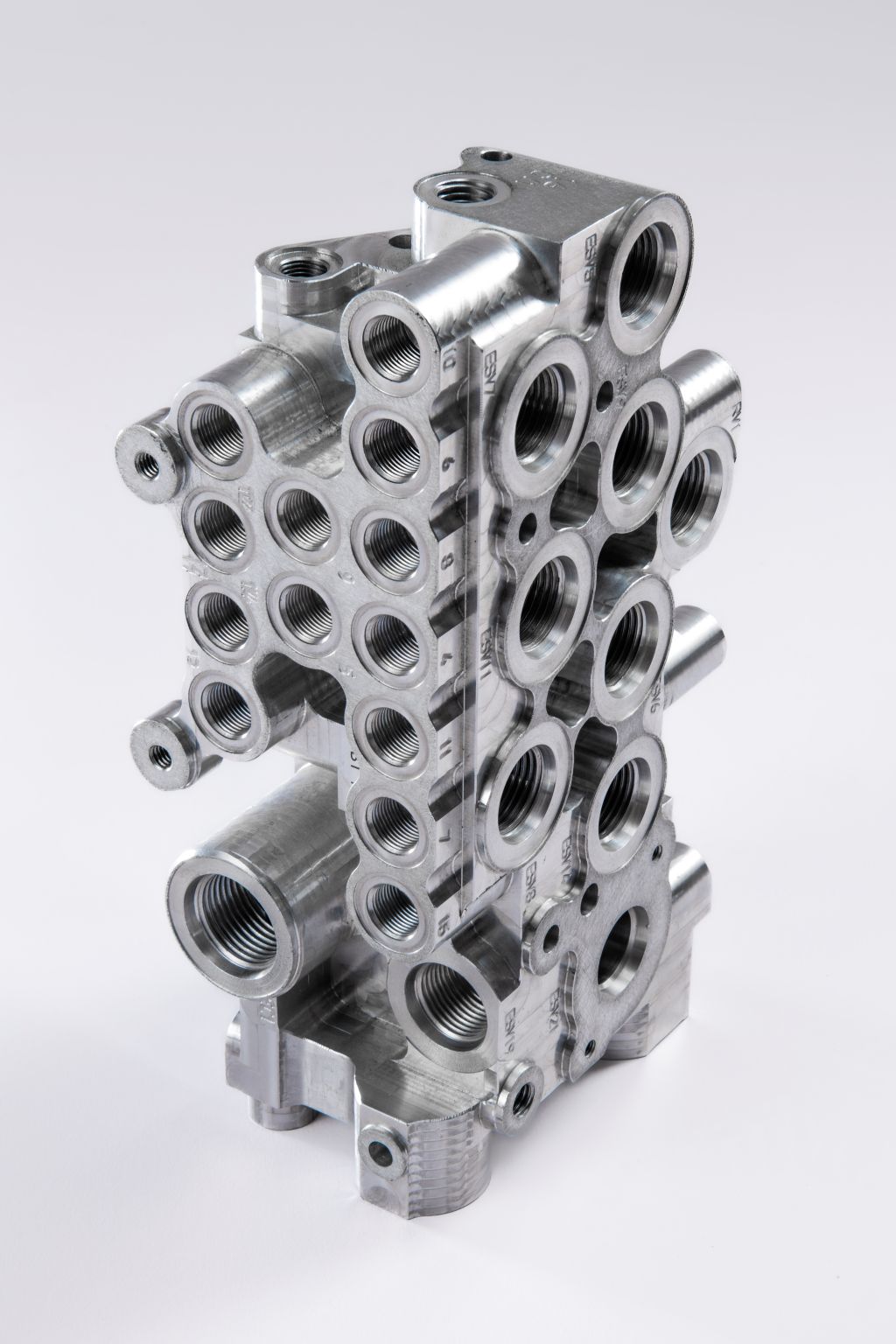
Particularly in electromobility, aluminum offers enormous potential. It is primarily used in the production of battery modules, stators, and other lightweight structural components. Due to its low weight compared to steel and other materials, it is very well suited to significantly reduce the weight of a vehicle, which positively affects the range. However, not all aluminum is the same. In the industry, aluminum alloys are mainly used with copper, magnesium, and the main alloying element silicon (Si). Silicon provides very good casting properties and is therefore an important component of the alloys. The alloys vary greatly in their properties, especially due to different silicon contents. This has implications for machining.
Challenges in Aluminum Machining
Machining aluminum requires specialized tools due to its material properties. For example, hypereutectic alloys (> 17 percent silicon content) require extremely robust coatings, while alloys with low silicon content often cause problems with long chips that can lead to chip jams.
Hypereutectic alloys with more than 17 percent silicon content are well suited for wear and heat-stressed castings, especially in engine construction. They are therefore primarily used for the production of pistons, crankcases, and cylinder heads. In the melt, the silicon crystals solidify first, followed by the remaining melt. The hard and brittle silicon leads to increased tool wear during subsequent machining. Therefore, only specially coated solid carbide tools or even diamond tools can be used here. By using specific chip groove designs and optimized coatings, wear can be minimized. This avoids downtimes and keeps the machining quality consistently high.
Less demanding, but still a stress test for the tools, are materials such as the aluminum alloy GD-AlSi9Cu3, with 9 percent silicon content, which is used, for example, for gearbox housings. Here, it is particularly important to optimize the tool life and cycle time. Through a favorable combination of special tool geometry, coating, and polished chip grooves, Müller was able to double the tool life and halve the cycle time in practice. This makes production more efficient, as more parts can be machined before a tool needs to be replaced.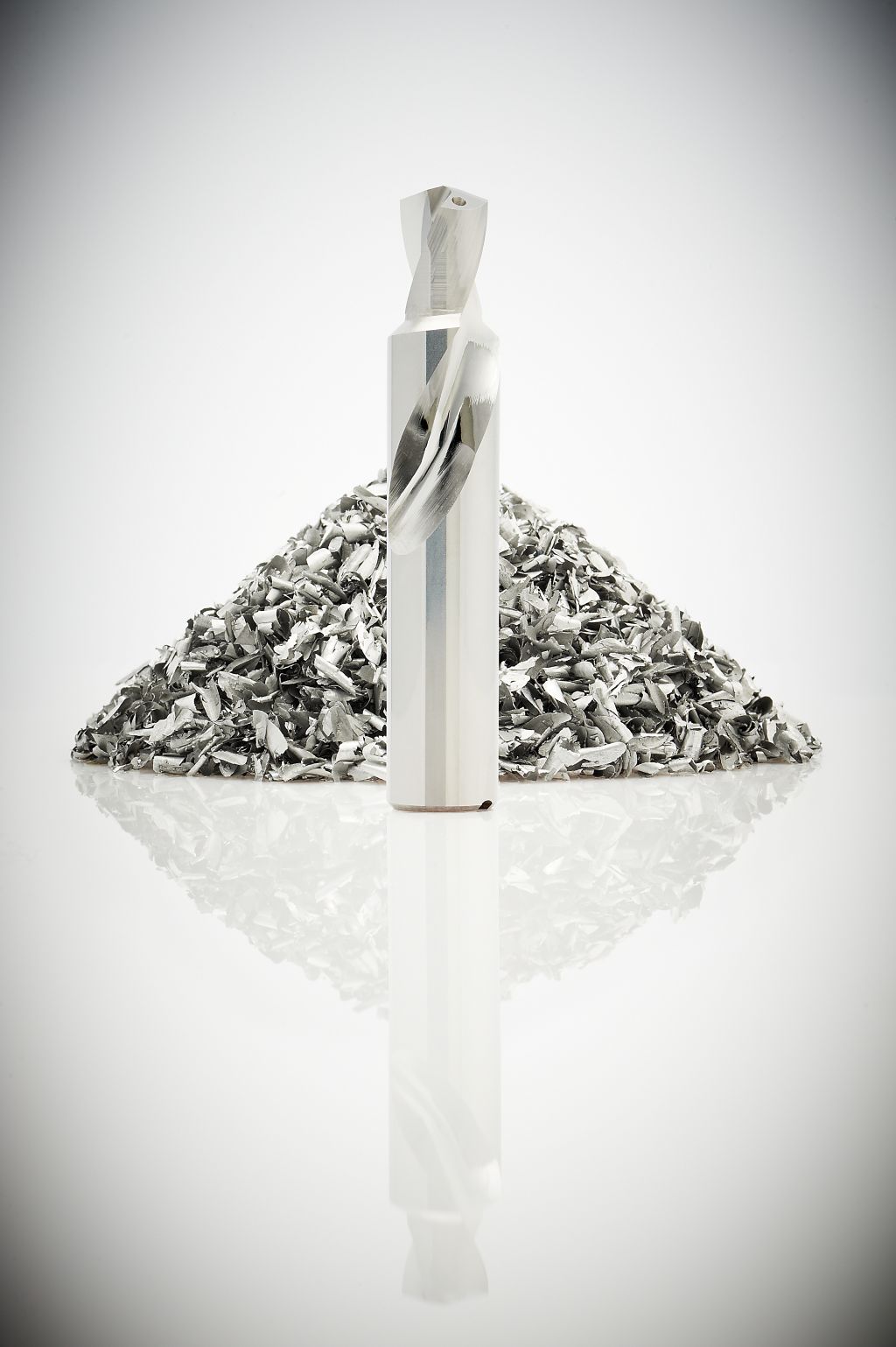
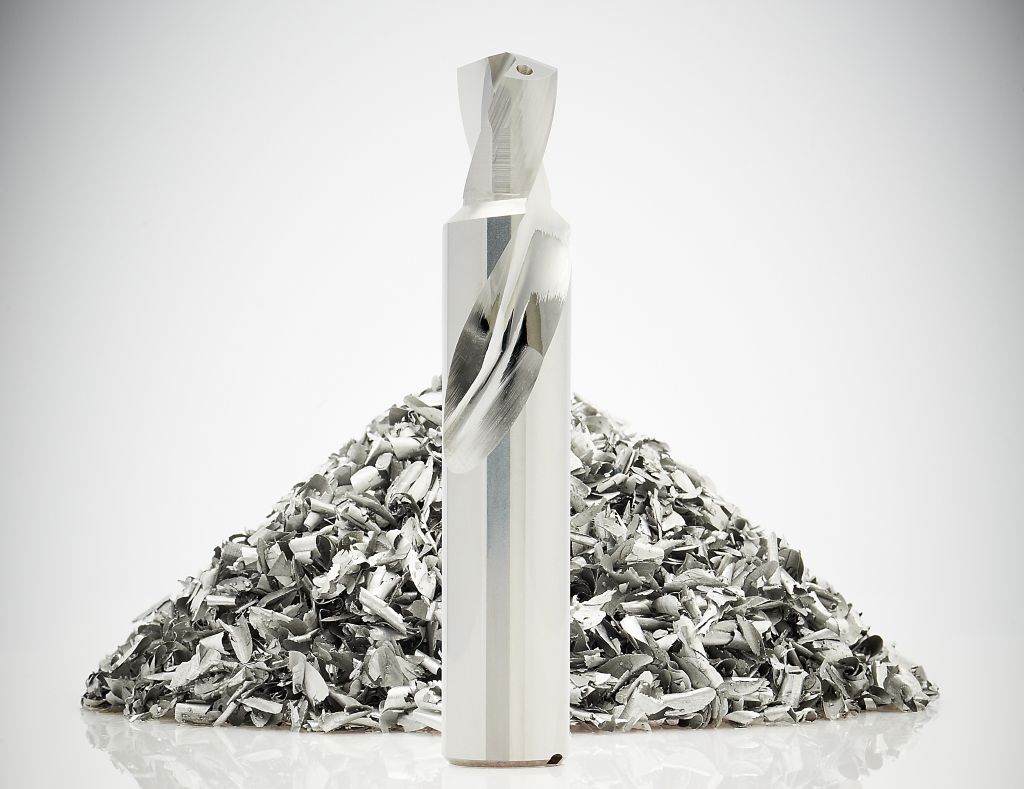
A challenge of a different kind is posed by materials with low silicon content, such as those used in the production of structural vehicle parts like bodies. These tend to produce very long chips during machining, leading to tangled chips and chip jams. Müller was commissioned to optimize the machining of the material AlMg0.7Si-T66 with a very low silicon content of 0.7 percent for the production of linear units. Previously, the tangled chips and chip jams had to be manually resolved by an employee. This was not only inefficient but also prevented fully automated production and delayed production due to downtimes. By using a custom step drill with optimized chip grooves for chip management, Müller was able to significantly shorten the chips. This prevented them from becoming a problem. As a result, employees can focus on other tasks, and the cycle time was halved.
Müller ensures that the selection of the appropriate tool is specifically adapted to the properties of the material to be machined. To ensure high quality standards and long durability, Müller polishes all its chip grooves, whether coated or uncoated. This minimizes friction during machining and increases tool life. All tools from Müller can also be resharpened, extending their lifespan. Even resharpened tools have polished chip grooves.
Sustainability in the Supply Chain
In particular, in the automotive industry, including the supply chains, sustainability and the reduction of CO2 emissions play a central role. Therefore, Müller offers a refurbishment service for all its tools, as the recyclability of tools can make a valuable contribution to reducing CO2 emissions and material waste. High CO2 emissions occur during the production of carbide. These can be avoided if a worn tool that can no longer be resharpened is reworked into a new, smaller tool.
When a tool can no longer be resharpened, the customer sends it to Müller and orders an alternative. The experts at Müller cut off the worn cutting edge, grind the unused part round, and incorporate the desired geometry. Subsequently, it may be coated and polished – and the new tool made from old carbide is ready. The recycled tools have the same high tool life as new tools. Resharpening is also easily possible. Therefore, there are no quality differences compared to a new tool. According to calculations based on average values that indicate CO2 emissions during carbide production, several tons of CO2 can be saved annually. Concrete examples from the industry quantify the savings at 14 tons of CO2 per year. This value varies depending on the tool volume: the more tools are recycled, the more CO2 can be saved.
Contact: