
The pneumatic and electrical equipment manufacturer Festo produces a variety of fittings, screws, and sleeves in its production facility in St. Ingbert. Due to health hazards and resulting legal requirements, increasingly, material alloys without lead content – lead-free alloys – are being used. At Festo, this primarily concerns aluminum and brass. Currently, for example, hollow screws for machines and equipment in the food industry are being manufactured. These are now made from the lead-free aluminum alloy E754-3 25AA 2033T8.
Highly abrasive
However, lead-free aluminum alloys, similar to lead-free brass, can only be processed productively and economically with optimized manufacturing processes. When machining – turning, drilling, milling – they only form the usual chip shapes with difficulty. Usually, irregularly breaking and crumbling chips are produced, which detach poorly from the workpiece. This leads to the usual cutting edges of machining tools wearing out prematurely or even breaking.
Optimized and Coated Cutting Edges
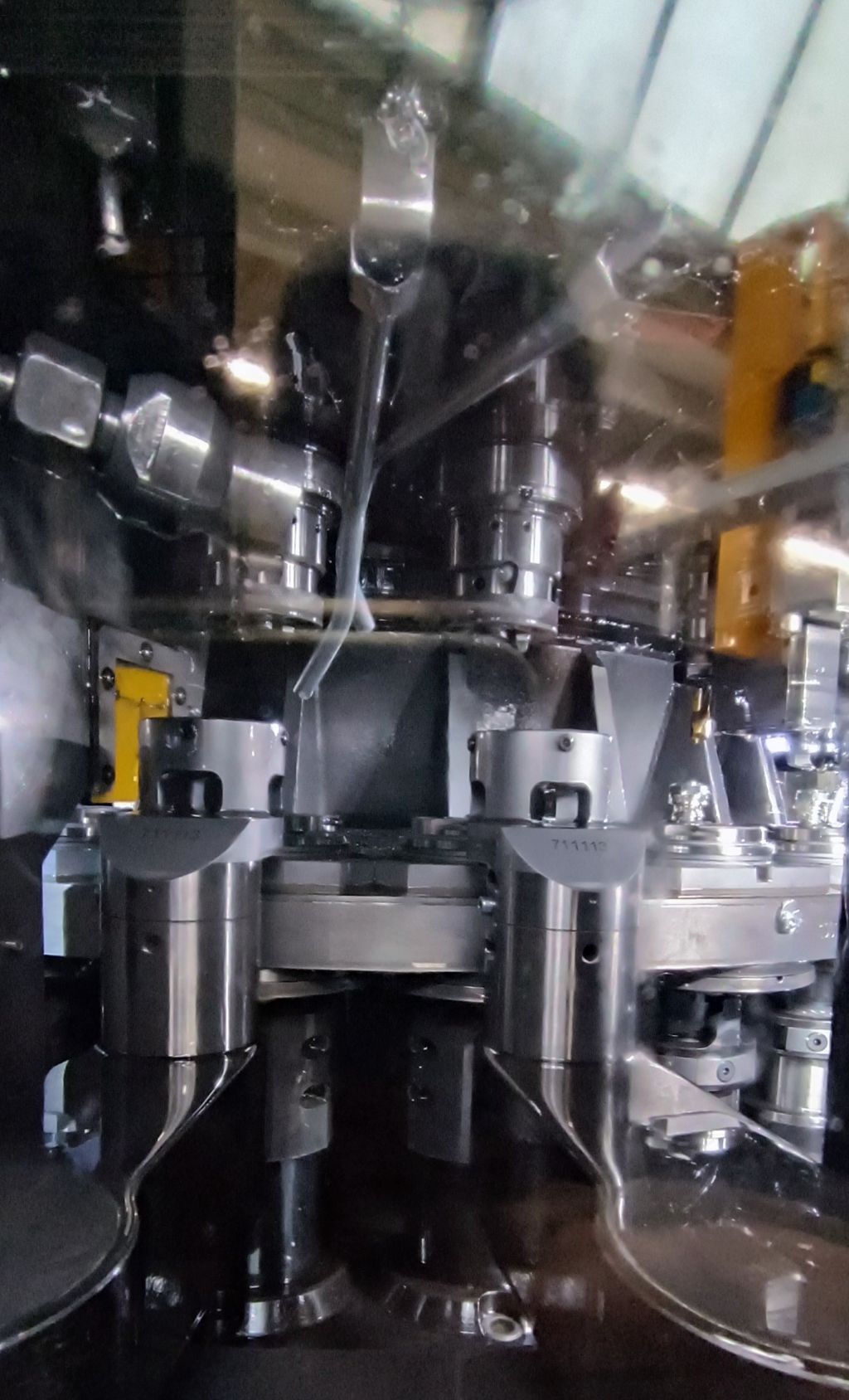
The threads of the hollow screws for valves made from the lead-free aluminum alloy are produced highly productively by specialists at Festo on a Piccola rotary indexing machine from the Italian machine manufacturer Gnutti. Initially, this proved to be not very process-reliable. The previously used thread cutting dies wore out too quickly and unpredictably.
To still be able to manufacture economically, the manufacturing technicians at Festo need suitable thread cutting dies with innovative cutting geometries and coatings. For this, they utilized their long-standing collaboration with the tool experts from the manufacturer JBO Johs. Boss GmbH & Co. KG, Albstadt.
Various geometries, cutting values, and coatings have been and are being tested. Meanwhile, thread cutting dies made of HSS with cutting geometries specifically tailored to aluminum and a Diamond-Like Carbon (DLC) coating are producing the G3/8 threads on the hollow screws.
Easily cutting with good sliding properties
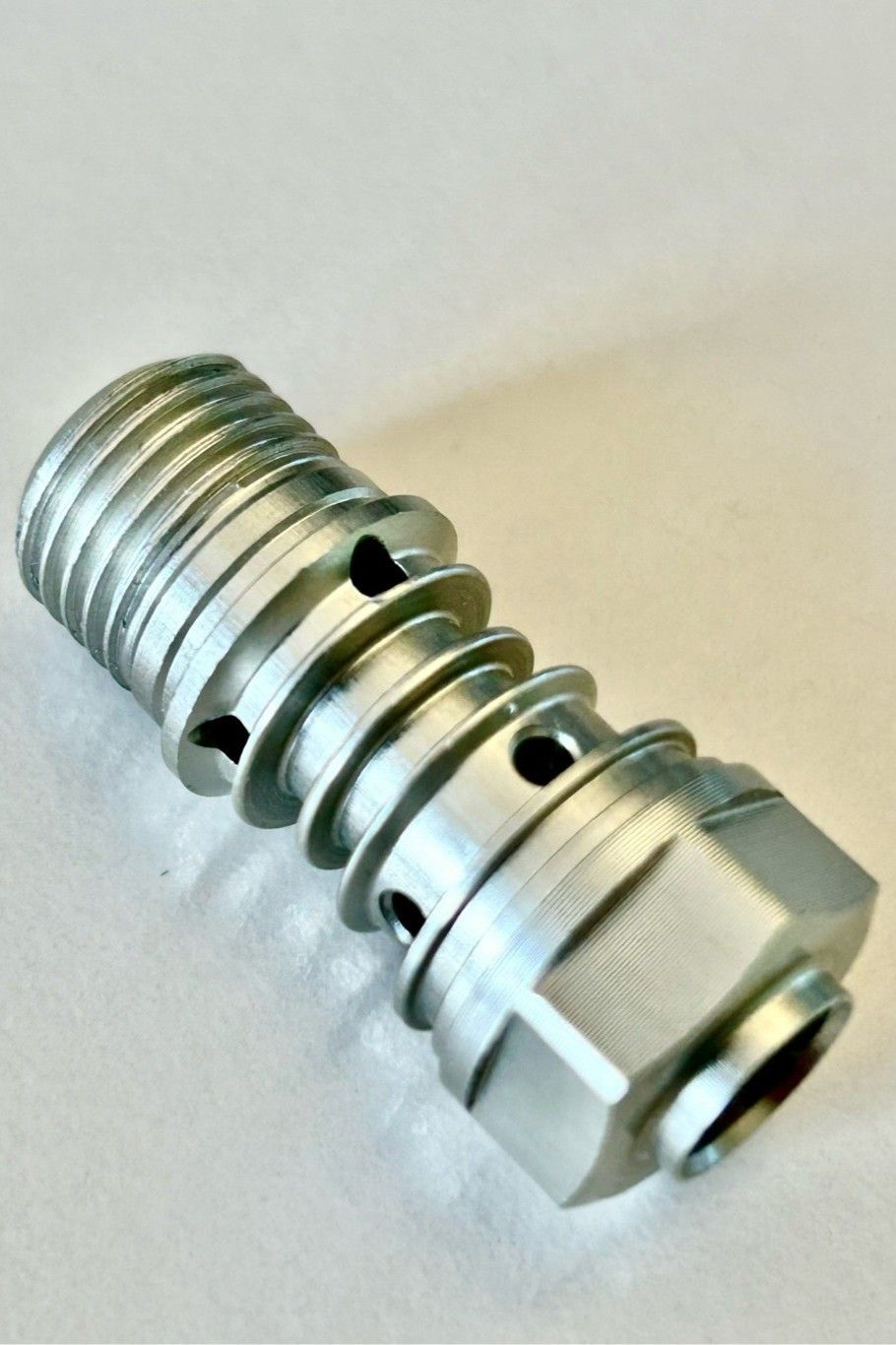
As the tool experts at JBO confirm, the DLC coating on the cutting edges of the thread cutting dies ensures that chips slide off significantly more easily. Additionally, the hard coating protects against wear. The rotary indexing machine at Festo produces the threads on the hollow screws at a speed of 900 rpm, corresponding to a cutting speed of 47 m/min. The now optimized thread tools from JBO achieve tool lives of about 30,000 threads. Thus, they prove to be particularly resistant to wear. As the manufacturing technicians at Festo in St. Ingbert confirm, they achieve correspondingly long tool lives to be able to process economically. According to internal statements, this is a milestone, as manufacturers of other tools still struggle with low tool lives or reduced cutting values.
Due to this circumstance in all other processing, the cycle time increases significantly, and the output is significantly reduced.
Energy-efficient and Process-Reliable
The HSS thread cutting dies are equipped with aluminum geometry and DLC coating, so they require less torque and have a higher wear protection. This ensures the highest process reliability and efficient manufacturing of external threads at Festo. Previously used, non-optimized thread tools required irregularly high torques and often caused the overload of individual spindles of the rotary indexing machine. As a result, these were idle, and the manufacturing processes on the rotary indexing machine had to be restarted in a time-consuming and labor-intensive manner.
In contrast, the optimized thread tools from JBO now work significantly better. They require only about 70 to 80 percent of the drive power or torque of the former thread cutting dies. Downtime of the work spindles is thus avoided. This is primarily due to the good sliding properties of the DLC coatings. Thus, the optimized thread tools from JBO ensure energy-efficient and process-reliable manufacturing of components made from lead-free alloys in large series.
Contact: