
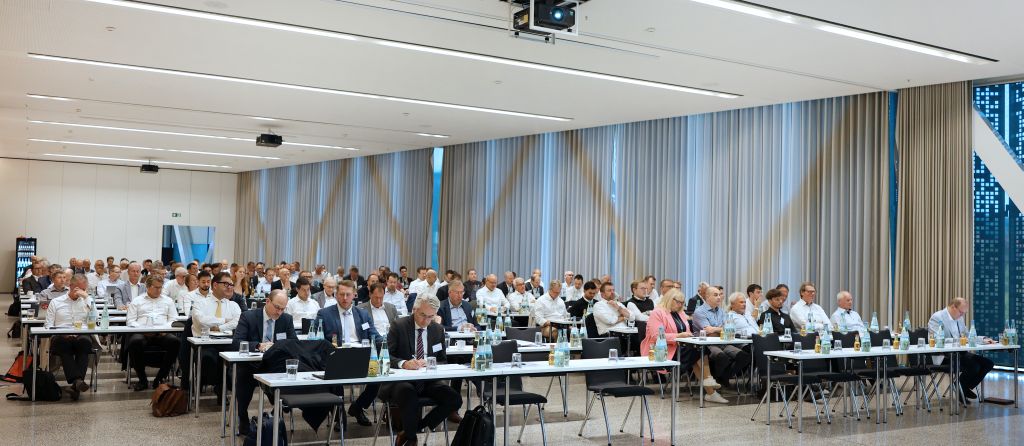
The industry remains cautiously optimistic about the coming months. At the autumn meeting of the Association of German Turned Parts Industry on October 9, 2026, in Würzburg, companies reported increasing order intakes and better utilization. However, the 145 participants also discussed what is hindering a sustainable upswing: overregulation, uncertain energy prices, and a lack of skilled workers.
Reports from member companies painted a differentiated picture: while some businesses continue to report weak demand, others reported full order books and growth. Growth impulses are coming, among other things, from the medical and electrical engineering sectors as well as applications for data centers. In the automotive business, however, a stagnating to declining development is evident.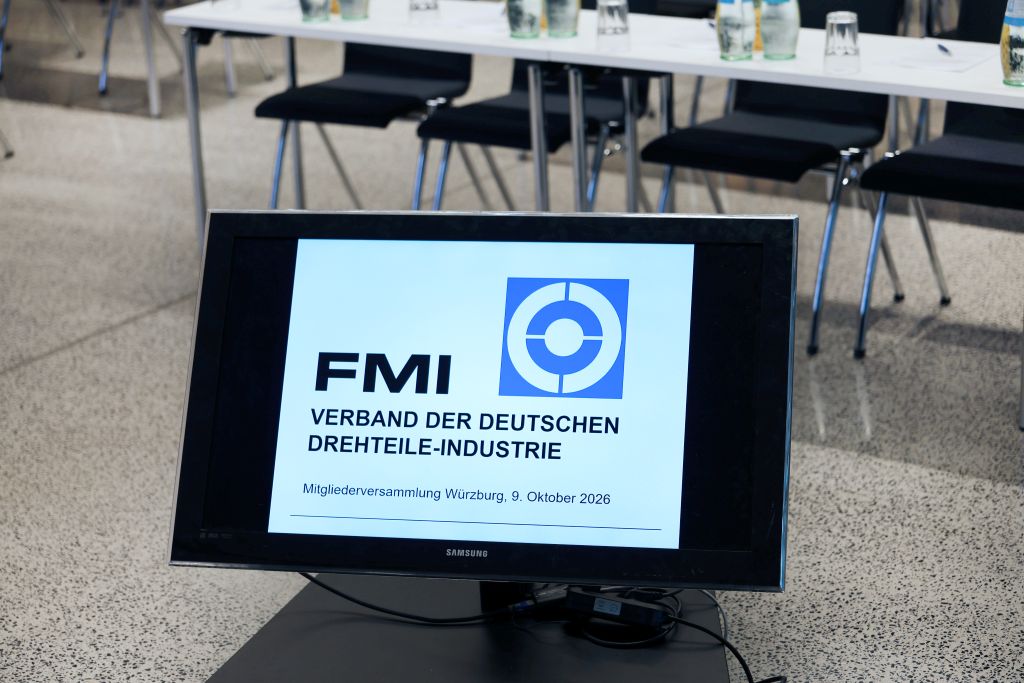
Werner Liebmann, Managing Director of the Association, classified the company reports based on industry indicators: order intake shows a clear increase, exports continue to develop positively, and material costs also slightly decreased in the second quarter. The business climate has been in the green zone since March 2026 and continues to show a positive trend. 'Overall, the signs of a revival are intensifying, but a sustained recovery in the industry cannot yet be derived from this,' says the Managing Director.
'Tight regulatory requirements continue to cause far too much effort. Additionally, there is a lack of predictability, especially regarding energy costs.'
A recurring topic was the personnel situation. Several companies reported that they are looking for machining technicians and other skilled workers. For some members, the lack of qualified personnel is already hindering growth.
Regulation, materials, and energy efficiency in focus
In addition to the economic situation, practical technical topics were also discussed at the meeting. Many specific questions from the audience accompanied the presentation by Volker Bockskopf from the WSM Economic Association for Steel and Metal Processing on the EU Packaging Regulation PPWR, which aims to reduce packaging waste. The central question was what responsibility turned parts manufacturers have for the packaging they use. It is crucial to clearly define one's role in the supply chain instead of hastily taking on additional obligations, as Volker Bockskopf emphasized. His advice to companies: keep a cool head and carefully examine the requirements based on the specific packaging situation.
Subsequently, Christian Vietmeyer, Managing Director of WSM, presented the work of the economic association and his role as a representative of the turned parts association in political operations in Berlin and Brussels. Active political representation is necessary to bring the perspective of the supply industries of steel and metal processing into political decision-making and legislative processes.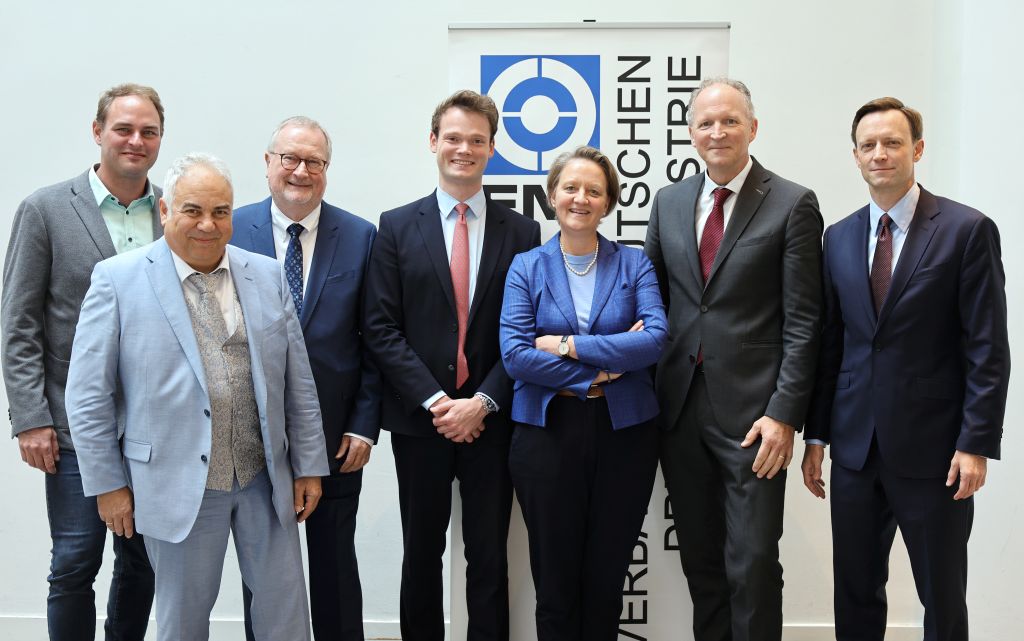
Dr. Heiko Haupt-Peter from Steeltec built on his presentation from 2024 and provided an update on developments regarding lead in machinable alloys. He presented encouraging results in the processing of boron-containing steel variants. The safe process area could be expanded through higher cutting values. In one variant, the tools even showed less wear than with the lead-containing material.
A flexible automation solution was the topic of the presentation by Joachim Burkert from wbt-Automation. He introduced a compact and mobile robot cell (cobot). The system can pick up, check, and place small parts – without an interface to the machine tool.
Amadea Hilleke and Thomas Kerner from Reglas Engineering Office demonstrated in their presentation 'Energy Management – Savings Potential of a Holistic Energy Concept' with concrete examples how companies can save more than 50 percent of their energy costs. The basis is a detailed analysis of load profiles and annual costs of individual consumers. It is crucial to plan everything as a complete system. Measurement concepts, interfaces, and operating conditions must be considered early. Monitoring and intelligent energy management ensure long-term savings and enable further potentials to be tapped in ongoing operations.
Transition in Management
The future structure of the association was also a topic at the autumn meeting. For several weeks, Werner Liebmann and Tobias Dittmar have been jointly managing the affairs of the association. Werner Liebmann, who has shaped the association as Managing Director for many years, will retire in mid-2027.
Tobias Dittmar introduced himself to the attending members. The lawyer brings many years of experience in leading industry associations, shaping association networks, and political representation. He has long been concerned with what regulatory and economic policy developments mean for medium-sized industrial companies.
'I want to build on the successful work of the association and further develop it together with the board and member companies,' said Dittmar. 'Reliable cooperation and direct exchange with the companies are important to me. The association's work should continue to be aligned with their concerns and challenges.'
The next spring meeting is scheduled for 2027 in Darmstadt, with the autumn meeting in Essen. Additionally, next year the International Turned Parts Congress will take place in Stratford upon Avon, UK.
Contact: