
Shaping the Future of Medical Technology – with Precision and Strong Partners
The demands in medical technology are high – precision in the micrometer range, absolute process reliability, and maximum flexibility are not optional but mandatory. For Armbruster GmbH, a specialist in the production of medical instruments and implants made of stainless steel and titanium, this is daily reality. To continue producing at the highest level in the future, the company invested in a clever combination: Two 5-axis machining centers of the type VERSA 745 from Fehlmann AG, connected with the flexible automation system Ultimate from Cellro.
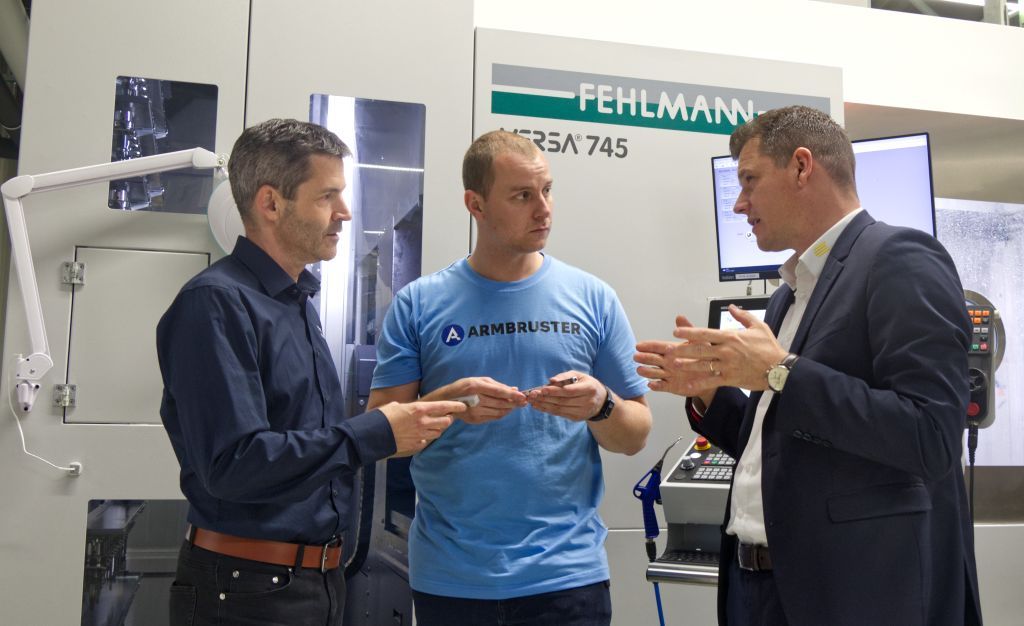
Armbruster GmbH, based in Steinach, is a family-run company in its second generation. For more than three decades, this medium-sized enterprise has focused on the production of highly complex components for medical technology, which accounts for around 60 percent of its revenue, as well as precise parts for mechanical engineering. The manufacturing spectrum ranges from turning, milling, and eroding to metallic 3D printing and numerous surface technology processes – such as automated cleaning, blasting, streaming, deburring, and polishing – to subsequent assembly.
All processes are integrated into a certified quality management system according to DIN EN ISO 9001 and 13485.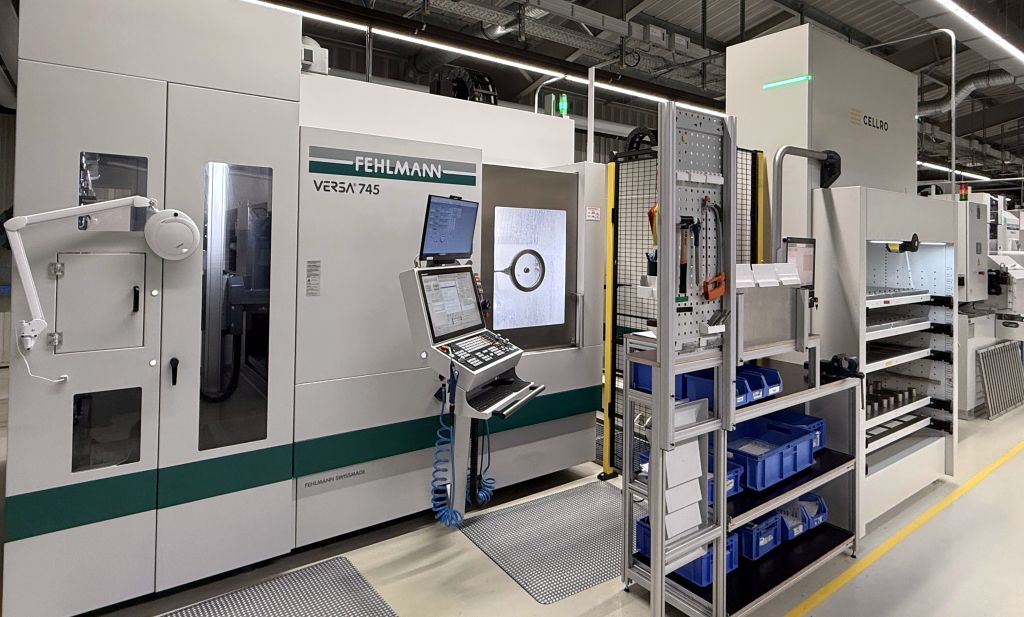
What particularly distinguishes Armbruster: the ability to respond flexibly to changing market demands – with short lead times, high part diversity, and an uncompromising quality standard. To meet this philosophy even with increasing complexity and growing automation, the company relies on modern technology and long-standing partnerships. One of these has connected Armbruster with the Swiss Fehlmann AG for decades.
Stay flexible, deliver precisely – every day
"Most of our components are quite demanding. Complex geometries, tough materials like titanium and stainless steel – everything has to fit perfectly. At the same time, the market expects short delivery times, flexible batch sizes, and reliable reproducibility," explains Tobias Armbruster, managing director at Armbruster. An example is the economical milling of cutting blocks for knee joints.
Here, the experts reached their manufacturing limits. While there was the possibility to erode the slots completely – it would have been far too time- and cost-intensive. Therefore, the slots were to be pre-milled, and then in a second step, eroded to the exact geometry and surface quality.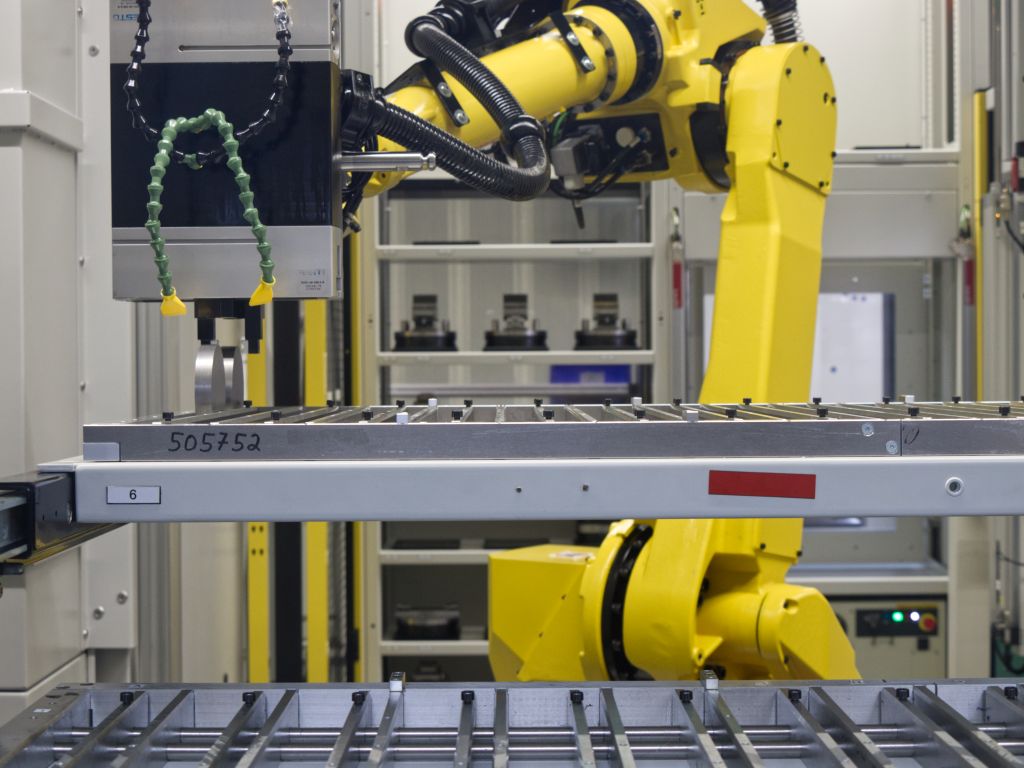
Strategic considerations also came into play: The increasing shortage of skilled workers in Germany, the ever-shortening lead times, and the expectations of international customers, especially in FDA-regulated medical technology, made it clear that an overall technological step forward was necessary. The goal was not only to manufacture this one component but to establish a solution that allows Armbruster to produce flexibly, automated, and in compliance with standards in the long term.
High demands – little space
Finding the right solution was anything but simple. At the center was a 5-axis machining center that offers the highest precision and flexibility, has a zero-point clamping system for controlling pneumatic clamping devices – and still takes up little space. Additionally, a spindle with over 20,000 min⁻¹ was required, ideally with an HSK-A63 interface for stable, low-vibration machining even with long tools.
A swivel range of over 120° was mandatory to process complex geometries as much as possible in a single setup.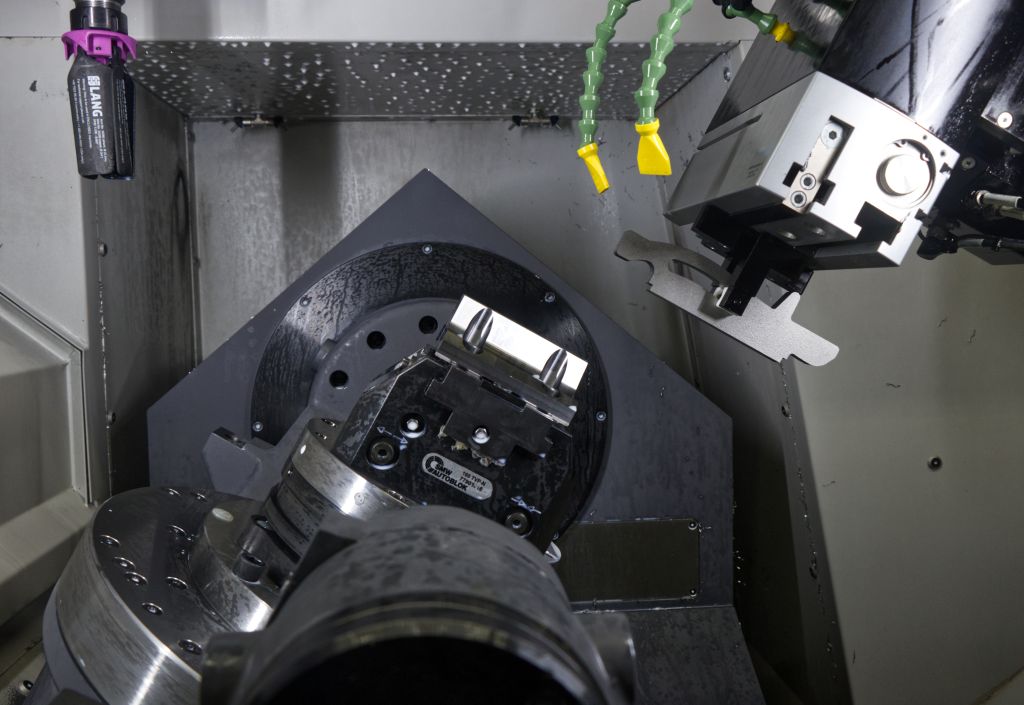
"We needed a machine with at least 120 tool places, compact design, and enough power for larger components," recalls Mario Bauer, team leader for milling and project manager at Armbruster. "At the same time, delicate tools should also be easily usable. A lot of power in a small area – that was the key point."
But even in automation, the requirements were high:
A system was sought that could not only automatically change workpieces but also clamping devices without any manual intervention. Various raw part sizes should be processed consecutively in an unattended operation. And all of this should be realized in as tight a space as possible, with sufficient pallet and gripper spaces for long autonomy times.
Compact solution – strong interplay
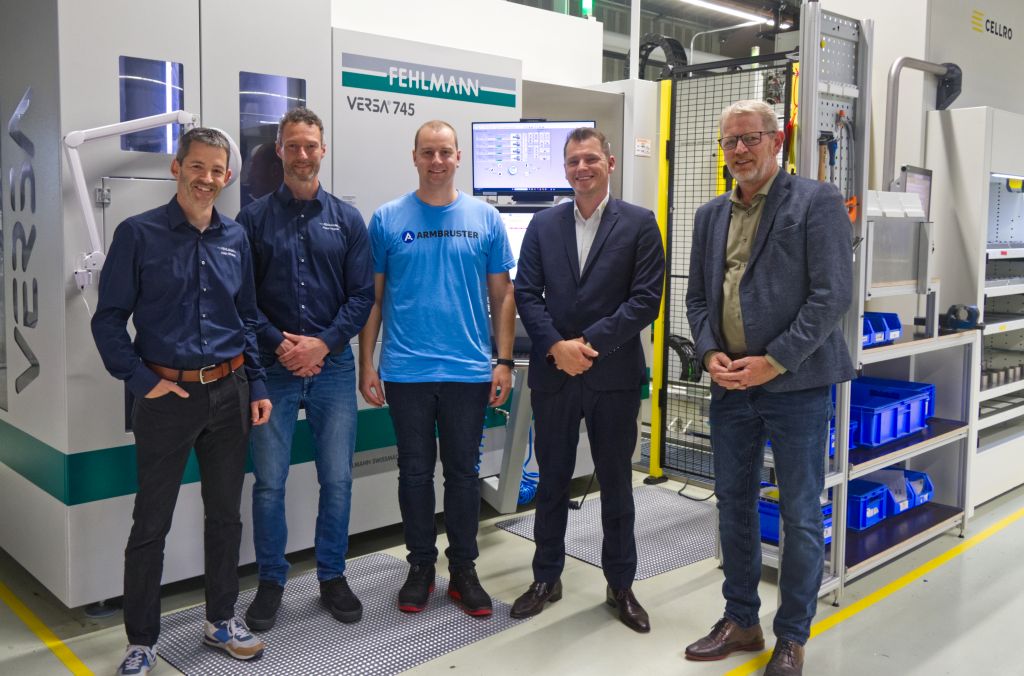
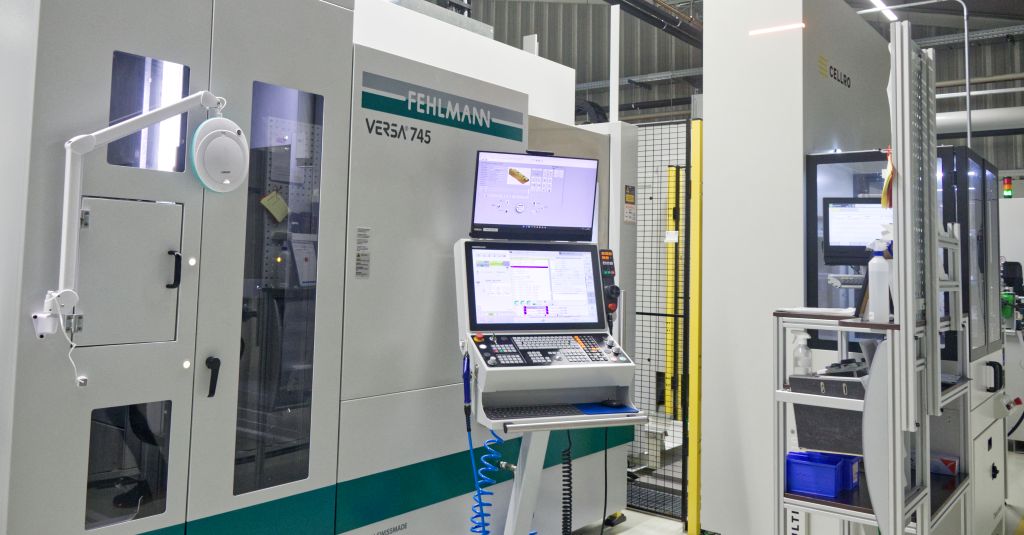
The solution: Two 5-axis machining centers of the type VERSA 745 from Fehlmann, connected with the flexible automation system Ultimate from Cellro. The compact duo combines high-precision milling, intelligent handling, and process-safe workflows – all on just 61 m².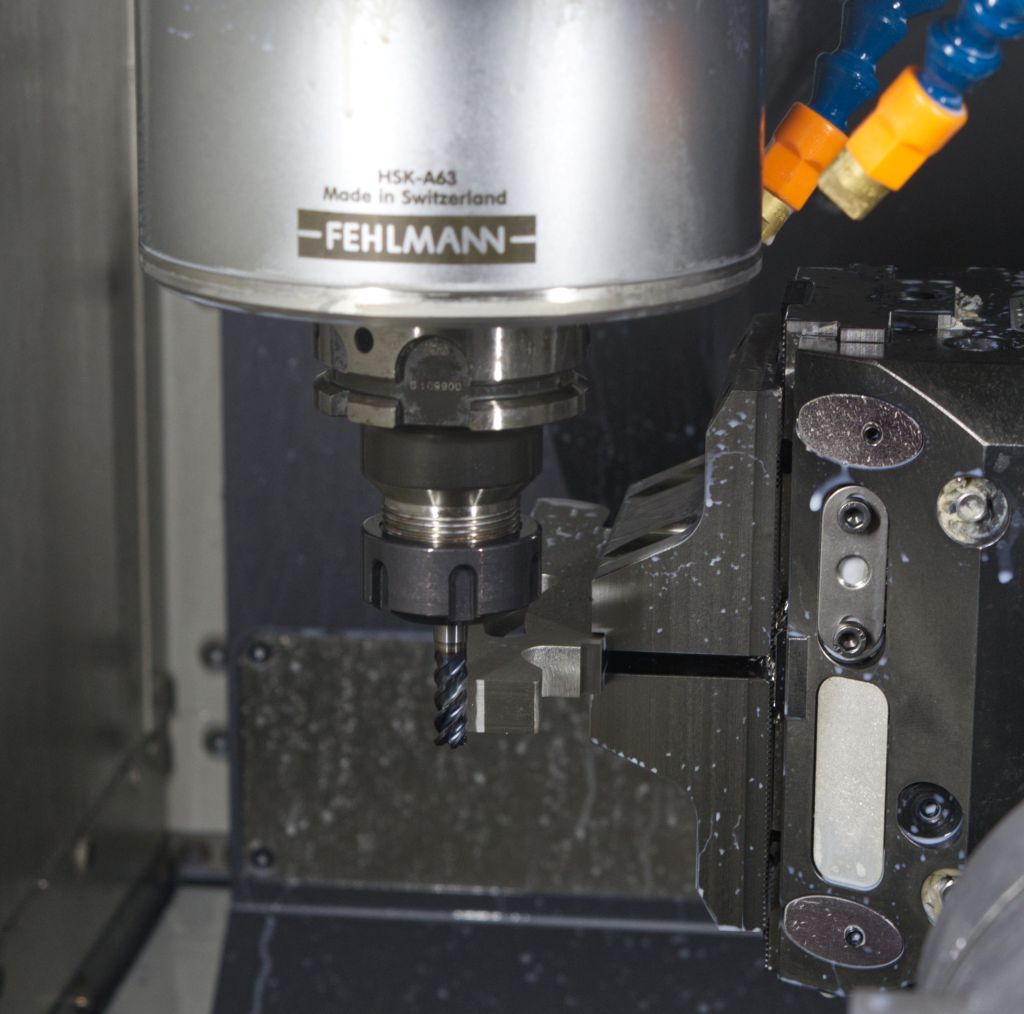
The VERSA 745 has everything: a powerful HSK-A63 spindle with 24,000 min⁻¹, a swivel range of up to 135°, a massive portal structure made of cast iron, scraped geometries for the highest dimensional accuracy, and directly driven rotary axes with torque motors. Even difficult materials like titanium can be processed precisely and reliably. "Our customers expect precision, reliability, and efficiency – especially in medical technology," emphasizes Alain Strebel, Head of Sales Northern Europe at Fehlmann.
"The VERSA concept was developed specifically for this: stable construction, thoughtful thermal management, and automatic calibration at the push of a button."
Moreover, the machine scores with thoughtful access and a clear separation between the operating and automation side. "In addition to our standardized automation solutions, we also offer various interfaces for communication with a wide range of systems. The required know-how is in-house – so we can comprehensively and competently support our customers in integration," says Alain Strebel.
A separate access for automation on the side facilitates integration and simultaneously allows ergonomic access to the machine as well as a clear view of the component.
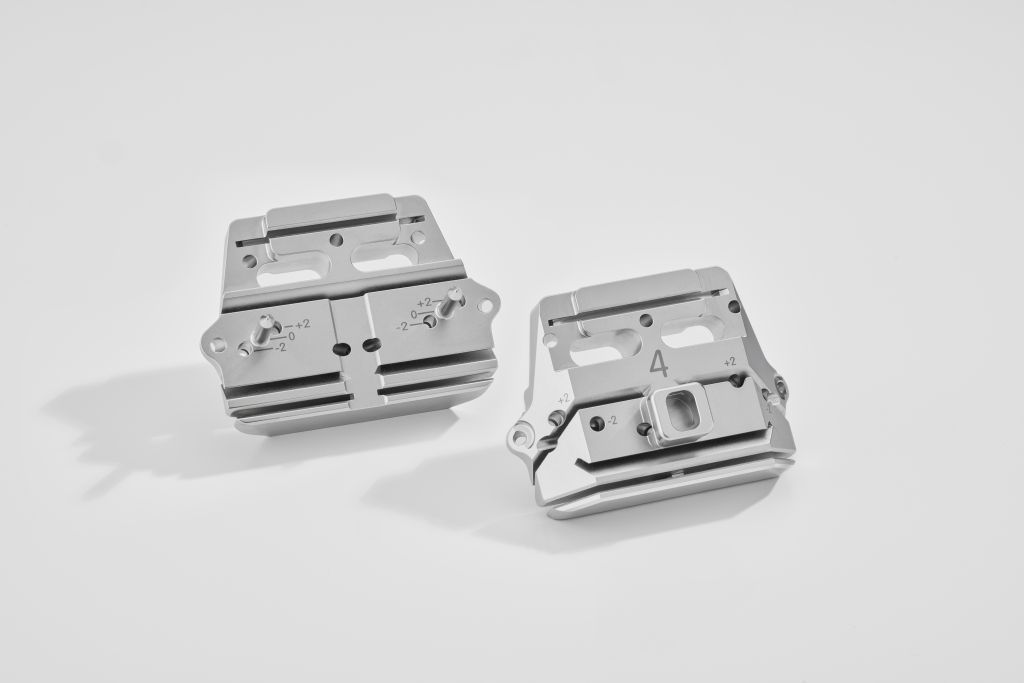
The VERSA machines are perfect for machining complex geometries such as those on the cutting blocks. The narrow and deep slots are now precisely pre-milled by Armbruster, so they only need to be finalized by eroding. This saves time, reduces costs, and improves the entire manufacturing process.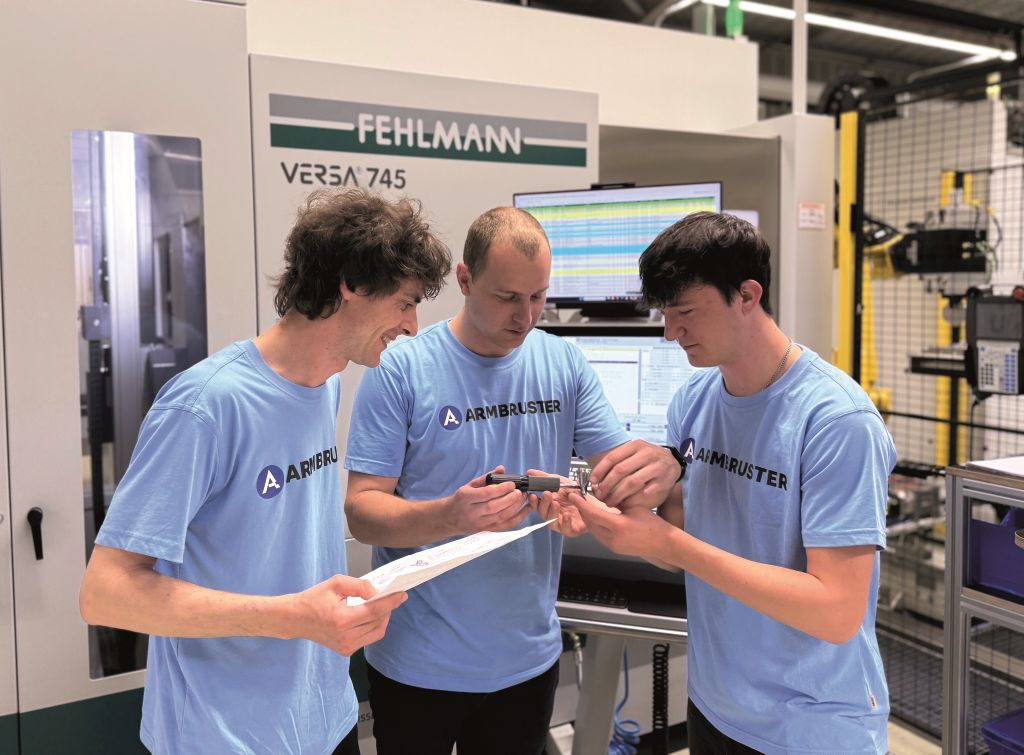
Intelligent automation – tailored to the point
For Fehlmann and Cellro, it was the first joint project. The contact was established through Armbruster, but the technical coordination took place directly between the teams – from sales to service to engineering. The result: a perfect interplay.
The Cellro Ultimate now takes over the complete parts and clamping device handling for both machines.
Thanks to modular grippers, automatic vice change, and intelligent clamping device control, everything runs smoothly – and in the tightest space. A special feature: The robot is mounted on a travel rail and can flexibly approach both machining centers.
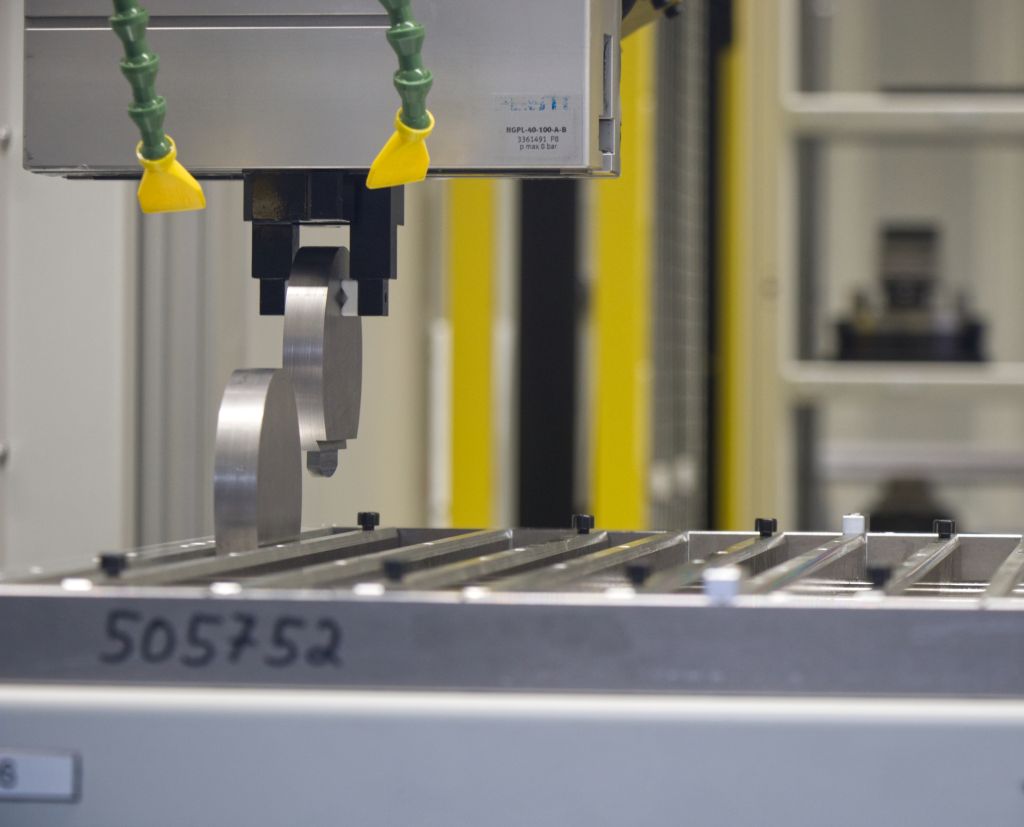
A specific challenge was the round-sawed raw parts for the cutting blocks – they must be inserted standing upright, which many systems cannot manage. Therefore, Armbruster developed its own device for storing the parts, and Cellro supplemented the software for handling. The robot now accurately recognizes the position and can securely grasp and insert the parts – tailored to the needs in Steinach.
"Our automation solutions are designed to adapt to the customer's production reality – not the other way around," explains Christian Dietz, regional sales manager at Cellro. "At Armbruster, we integrated the special handling of round-sawed workpieces directly into the system logic. Such adjustments make all the difference."
From everyday life: Automated precision in 24/7 operation
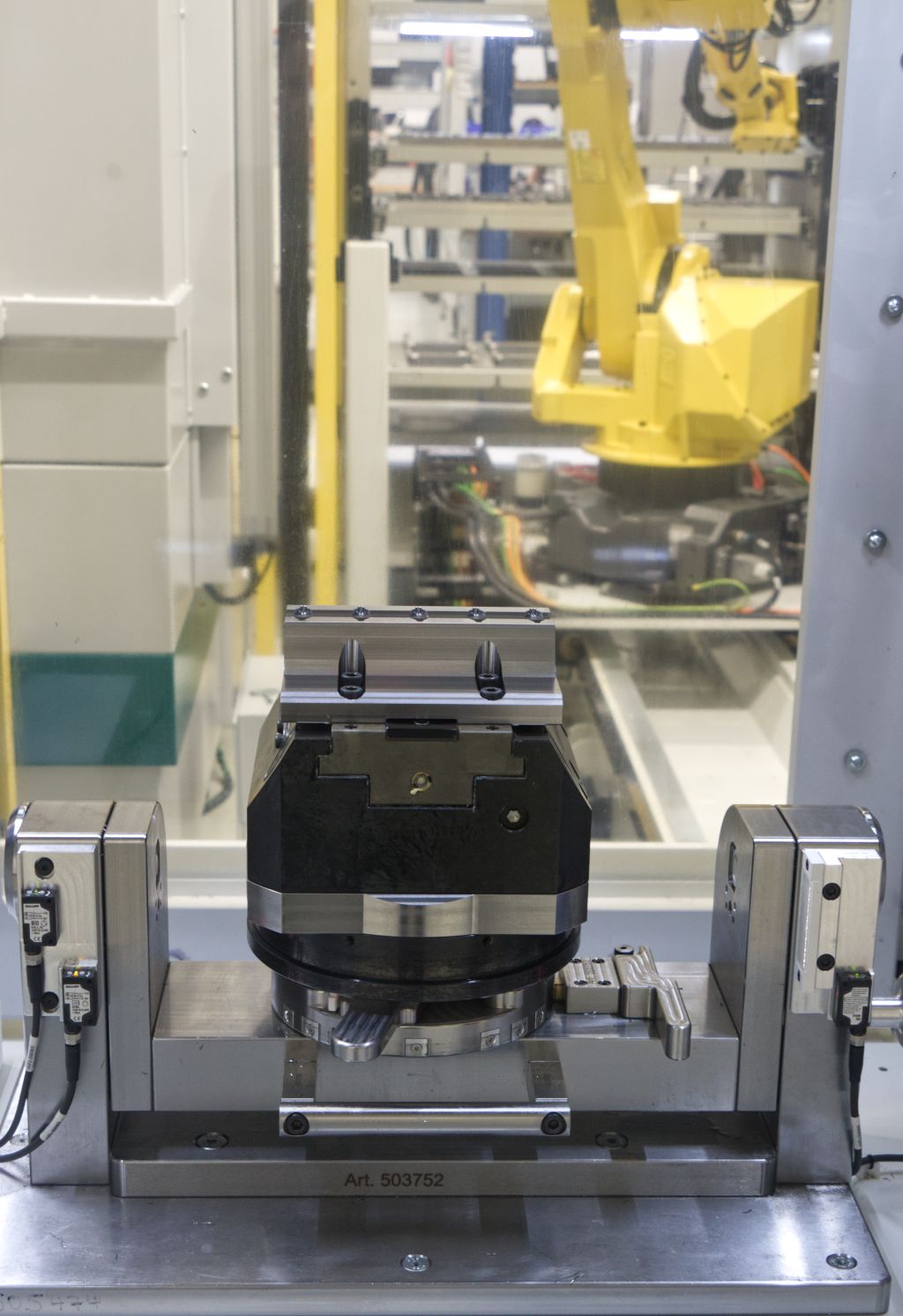
The manufacturing cell is already producing 850 milling hours per month – with a rising trend. The goal is to reach the mark of 1,100 hours. 24 pallet spaces, three grippers, and an auxiliary station allow for the change of pallets, products, and clamping devices during ongoing operations – fully automated.
Everything went smoothly during commissioning as well. Technicians from Fehlmann and Cellro were on-site at the same time, addressing safety issues such as emergency stop signals and fine-tuning together with Armbruster. Operating the machines was no problem thanks to the familiar Heidenhain control, and the Cellro system was tested early with the employees. "Our operators were involved from the beginning – we wanted to hear their opinions. The training and acceptance of the cell at Cellro in the Netherlands cleared up many concerns. Today, everyone enjoys working with the solution," says Mario Bauer.
One project, three partners, one language: Technology coordinated at eye level
With the new production cell, Armbruster demonstrates how to combine innovation and quality. The combination of proven machine technology, intelligent automation, and collaborative cooperation forms a strong foundation – also for future challenges. "We wanted a solution that grows with us – and we found it," summarizes Tobias Armbruster. "And that with partners we can rely on at any time – technically and personally."
The result shows how German manufacturing competence, Swiss machine engineering precision, and Dutch automation innovation can shape the future of medical technology manufacturing.
Contact: