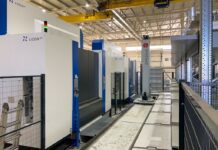

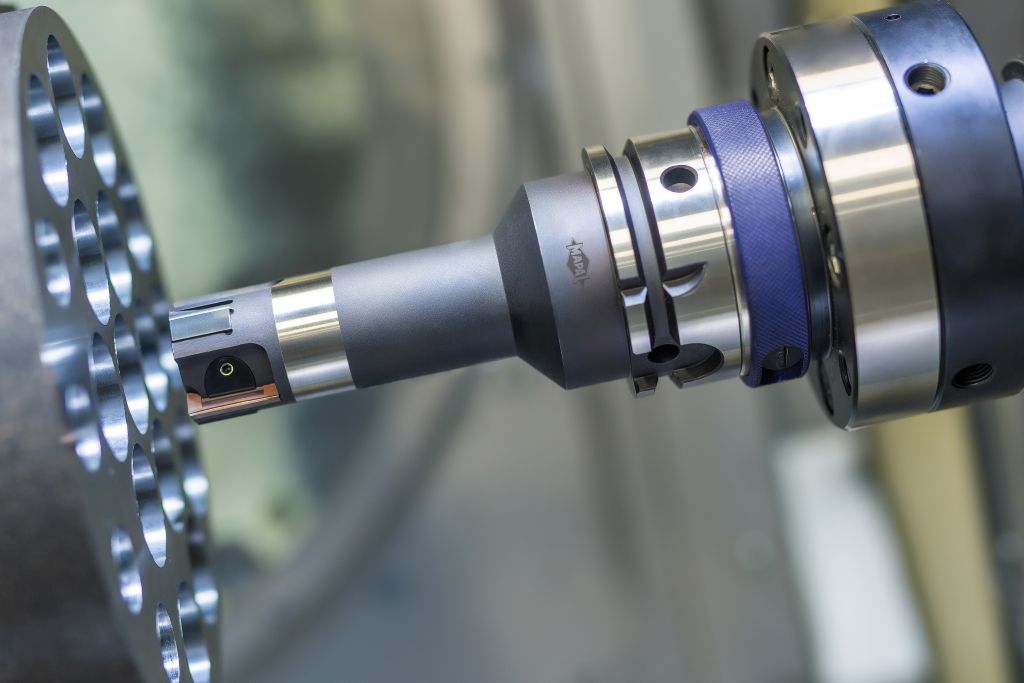
The machining of long-chipping steel materials such as stainless steels has always posed a challenge. With the development of a new standardized chip breaker geometry for precision drilling tools, MAPAL has now achieved a significant step that brings both technical and economic advantages.
In metalworking, chip formation plays a central role in the topics of process reliability, tool life, and surface quality. Particularly in the precision machining of unalloyed, alloyed, and stainless steels, controlled chip formation is crucial.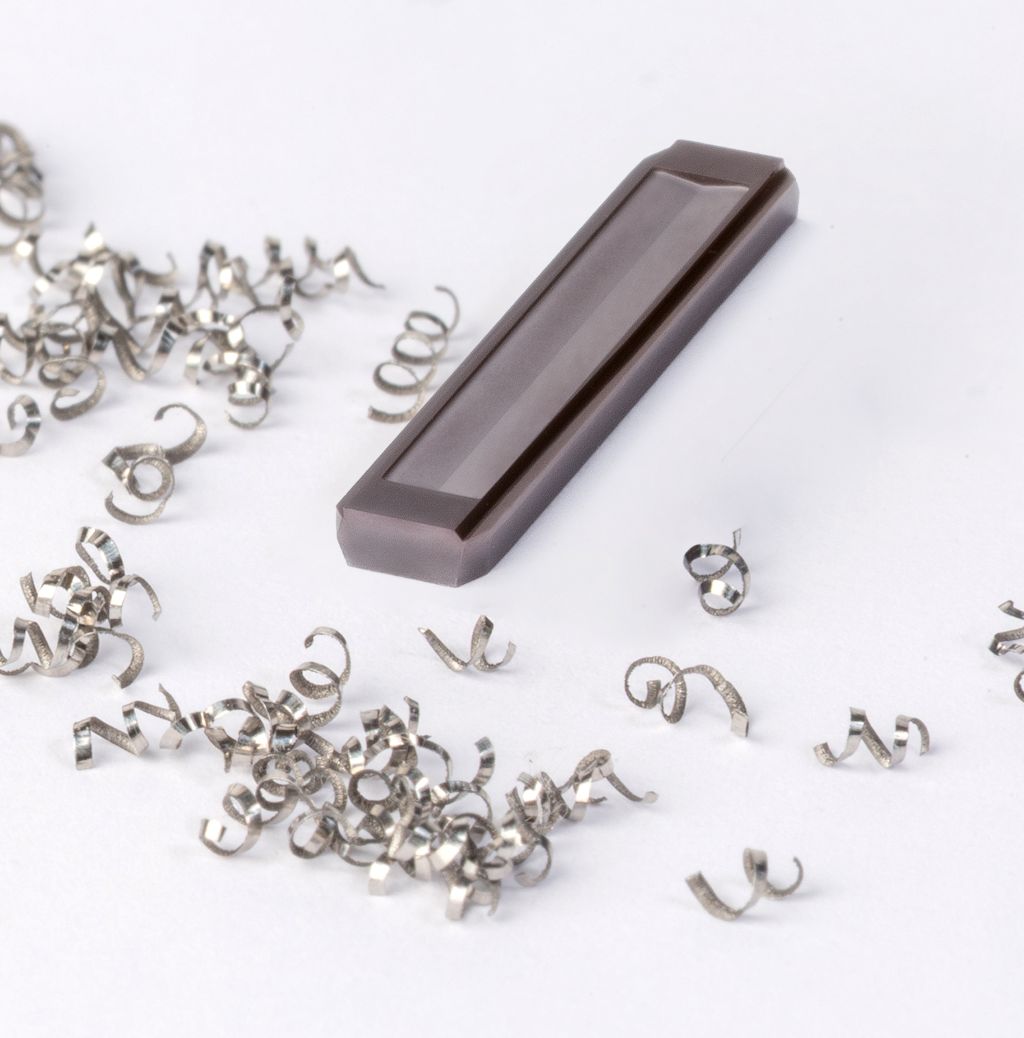
MAPAL presented a completely new approach to chip breaking at this year's EMO in Hannover for the area of precision drilling tools. It combines an exactly defined entry and chip angle geometry with optimally coordinated cutting values and depths. This precise coordination enables perfect chip formation, even with demanding materials. The result: optimal chip removal, reduced heat generation, and significantly increased process stability.
The advantages of this technology are evident not only in the quality of the machined workpieces but also in the economic efficiency of production. Less machine downtime, lower tool wear, and higher dimensional accuracy make this approach a real advancement in cutting technology.
Chip breakers are fundamentally not a new invention – however, the idea of implementing a standardization for long-chipping steel materials in precision drilling is. The chip breaker geometry developed by MAPAL combines decades of experience in this field with a clear focus on economic efficiency and application orientation. Until now, MAPAL has used chip breaker technologies in a more individualized manner. With the innovation presented at EMO 2025, the company is taking a significant step towards standardization and efficiency.
The precision drilling tools with chip breaker geometry for unalloyed, alloyed, and stainless steels are now available with defined geometries and coatings in stock.
Contact: