
Inconel 718 is a nickel-based alloy that withstands extreme temperatures and pressure differences – ideal for use in aerospace. However, its machining places high demands on machines, tools, and the coolant (KSS). To ensure that the latter is always clean, tempered, and available in the right quantity, the leading German engine manufacturer MTU Aero Engines has opted for a central KSS cleaning and chip disposal system (ZKSS) from KNOLL.
MTU – these three letters stand for top-class technology in aviation. The company, headquartered in Munich, specializes in the development, manufacturing, and maintenance of civil and military engines of all thrust and power classes. The Munich plant is not only the administrative headquarters but also an important production site.
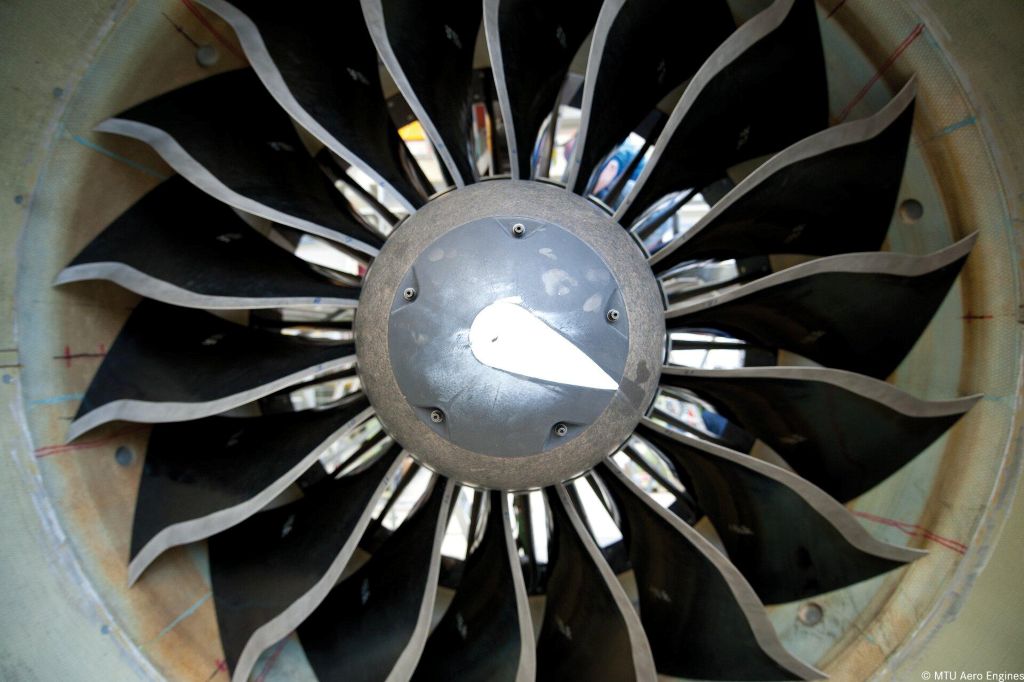
Here, among other things, components for Pratt & Whitney's eco-efficient geared fan engines are produced, which save about 25 percent of fuel compared to conventional drives.
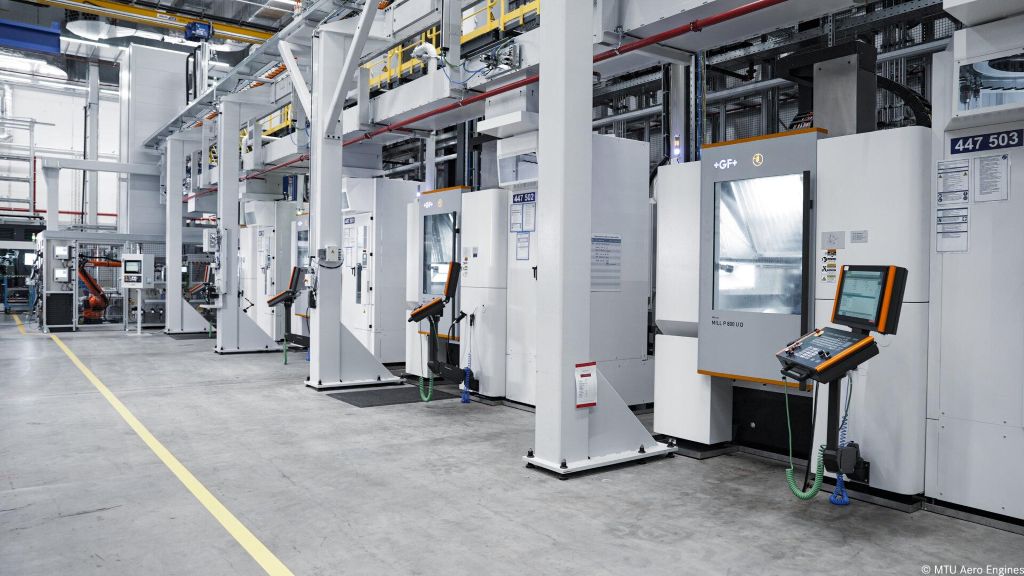
These engines are in high demand, which is why MTU expects increasing production volumes. This forecast was also decisive for the construction of a multi-story production building, where low-pressure turbine discs will be largely automated turned and milled starting in early 2024.
"To achieve maximum process reliability in this new manufacturing setup, a reliable supply of clean, precisely tempered KSS is essential," emphasizes the workshop team leader Zeljko Leovac. "This can only be economically realized with a central KSS system. If each facility had its own KSS system, the space requirements in the hall would be too large."
Already positive experiences with central systems
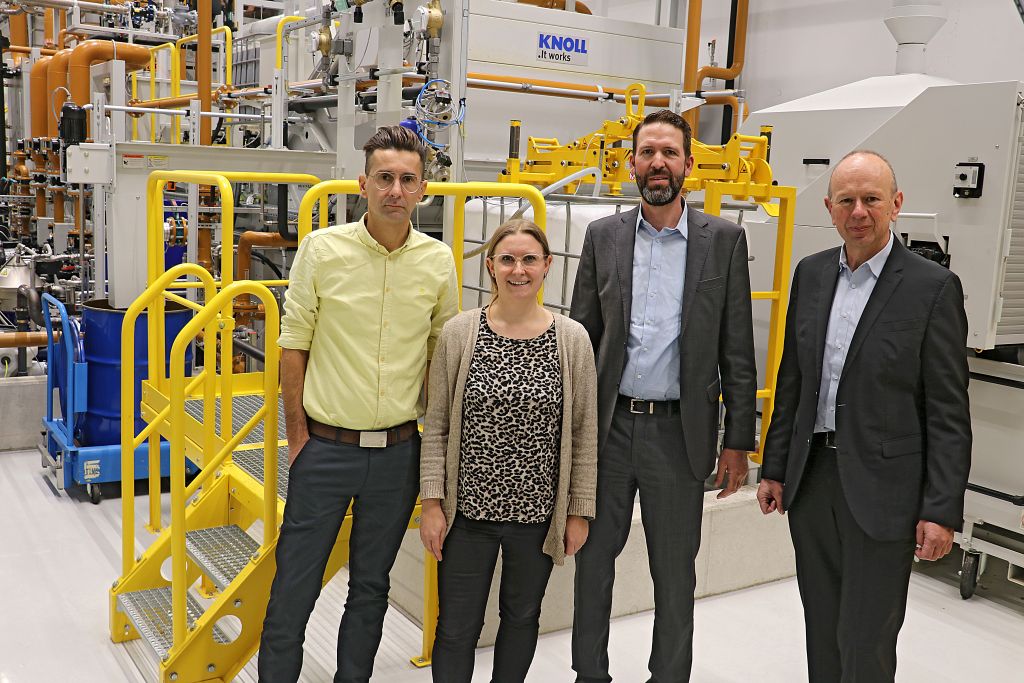
The order for such a ZKSS system went to KNOLL Maschinenbau, Bad Saulgau, for several reasons. Christina Braun, who was responsible for the procurement of the ZKSS as well as the machining machines for the low-pressure turbine disc production and is now its project manager, reports: "We have been successfully working with KNOLL systems for cleaning KSS emulsion for 40 years, initially exclusively with decentralized solutions.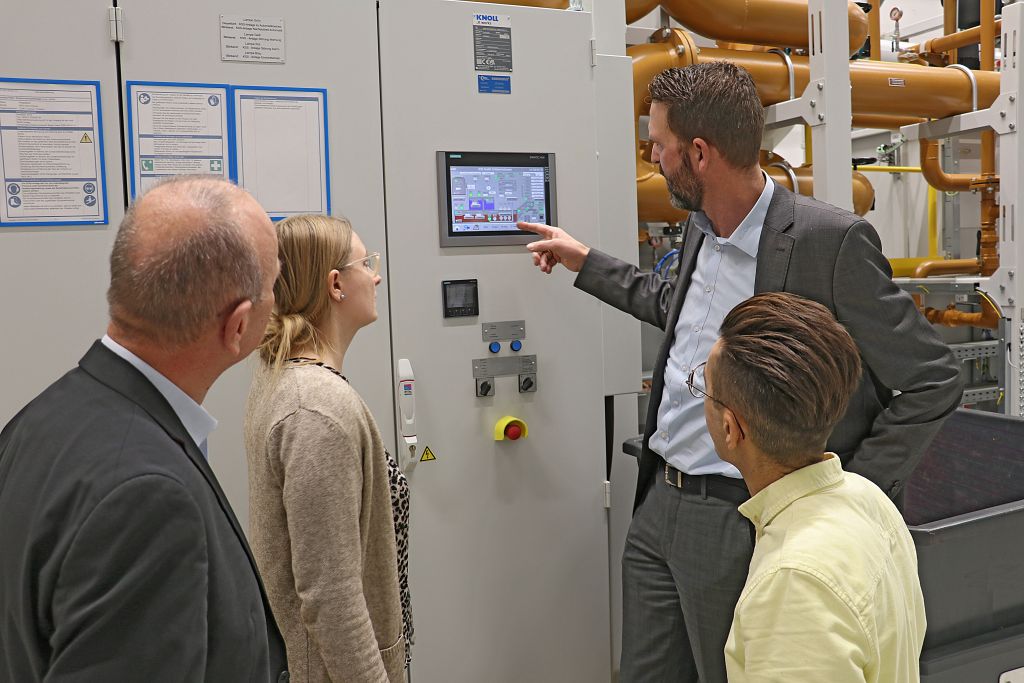
For several years, we have also installed two large KNOLL central systems in our titanium machining halls and are very satisfied with them."
In the new production hall, only Inconel 718 is machined. "We wanted to recover these chips in a pure form and send them for recycling," explains Christina Braun a key requirement that KNOLL was able to meet, as well as demands for a technical availability of at least 99 percent, continuous redundancy, low maintenance effort, sustainability, and minimal space requirements.
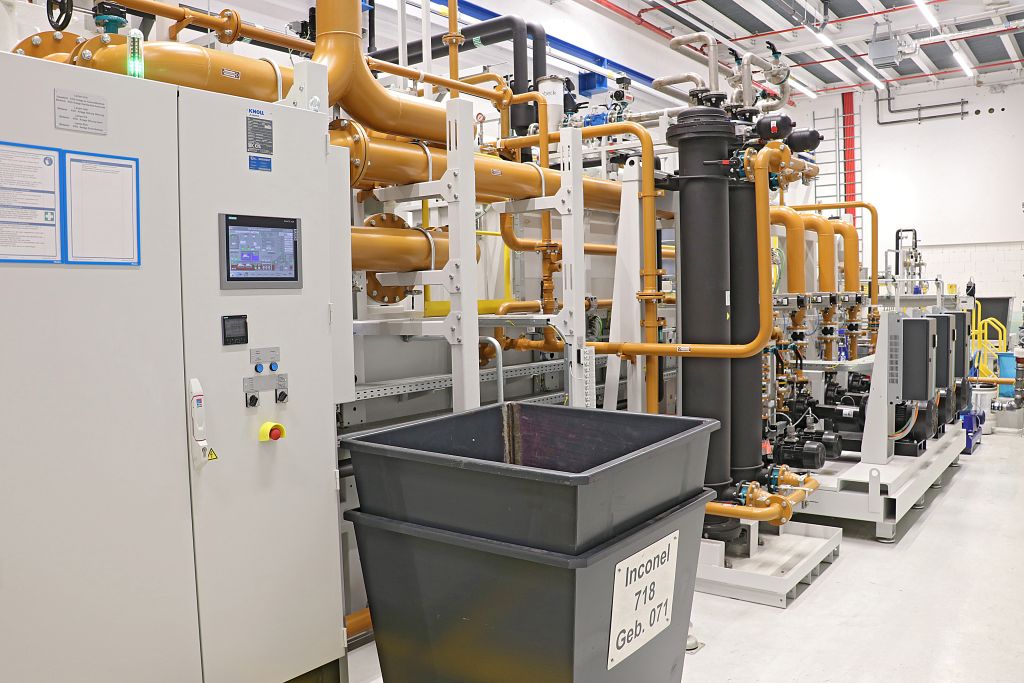
The KNOLL system is housed in a separate extension of the hall to keep the production area as quiet as possible. "This has already proven itself with the existing ZKSS systems," argues project manager Braun. On about 190 m2, there is now a 40 m3 dirty water tank with a scraper conveyor and an equally large buffer tank for major maintenance work. In addition to the pumps, filters, and other components, there is also an automated chip container station.
KNOLL components on the machine tools
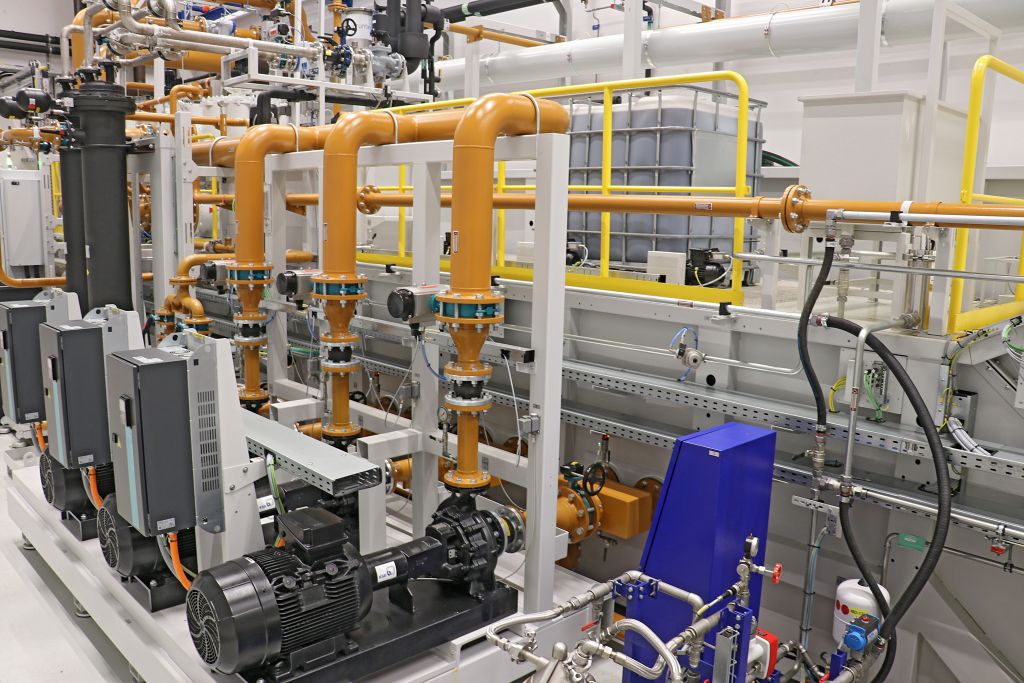
But the KNOLL service begins already in the manufacturing hall. More precisely, at the turning and milling centers, which the respective machine manufacturers equipped with KNOLL pressure boost stations – for efficient internal coolant supply (IKZ) to the tools.
Additionally, the machines are equipped with return pump stations including chip shredders for the KSS and chip transport to the central system. Lothar Schmid, who is responsible for this project at KNOLL, mentions:
"The shredders we use have been specifically designed for the abrasive Inconel chips and tested with original chips."
In designing the return pump stations, the project team considered both the delivery height up to the hall ceiling and the amount of the KSS-chip mixture generated.
Prepared for the future
The new MTU manufacturing system will be equipped in two expansion stages with a total of eight turning and seven milling centers, along with fully automated component and tool storage. In the current first stage, only half of the capacity is available. The second stage is to be realized long-term by 2036.
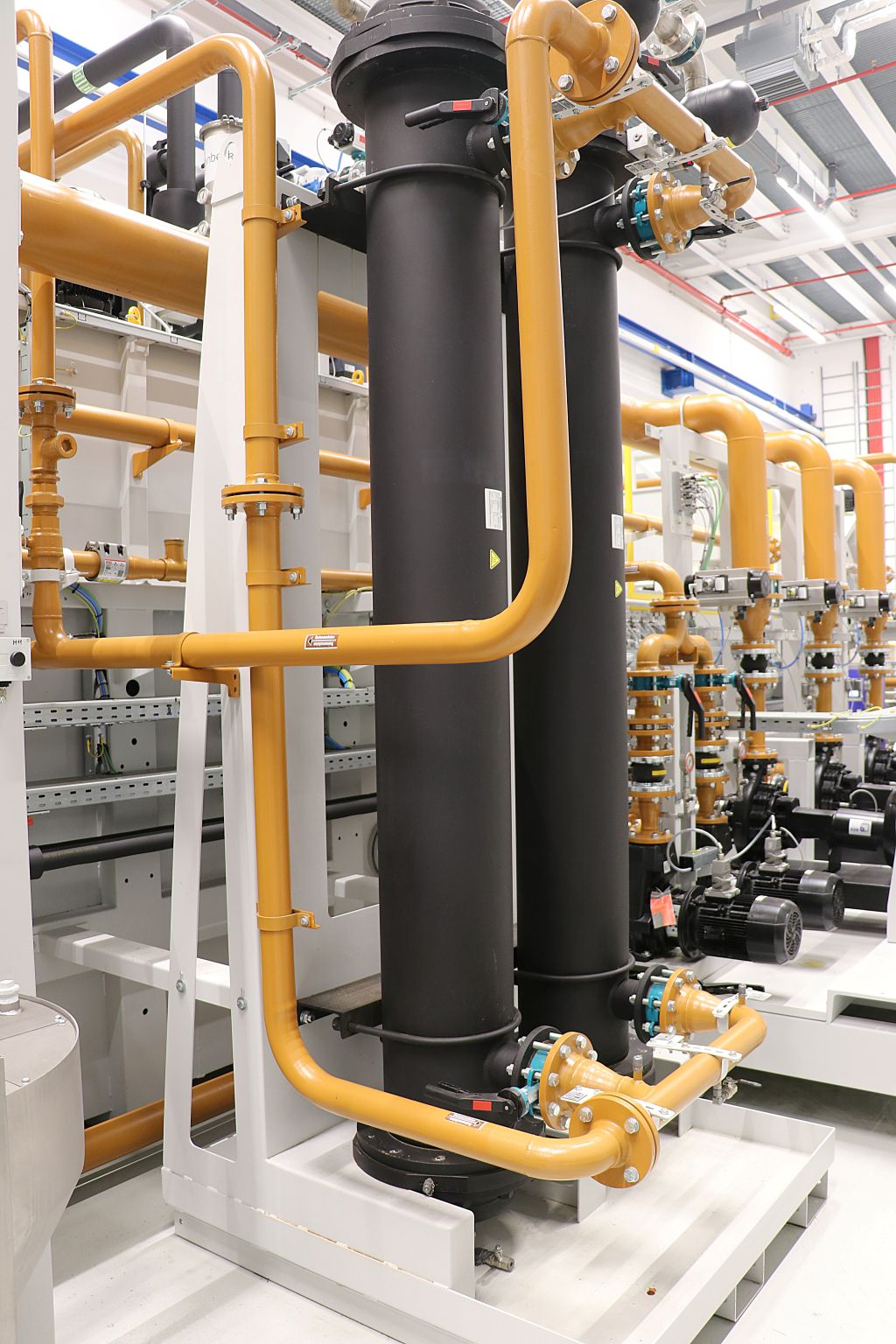
The central KSS system is already designed for the final expansion stage, with a tank volume of about 40 m3 and a maximum flow rate of 3,300 l/min. Additionally, a second, equally large tank is installed, in which the entire KSS quantity can be buffered for major maintenance work.
The required nominal filter fineness of 25 µm is achieved in three stages: First, sedimentation takes place in the dirty water tank. The KSS then passes through three drum gap filters with a gap width of 0.2 mm via a lifting station and finally through two backwash filters, which ensure the main filtration quality of 25 µm.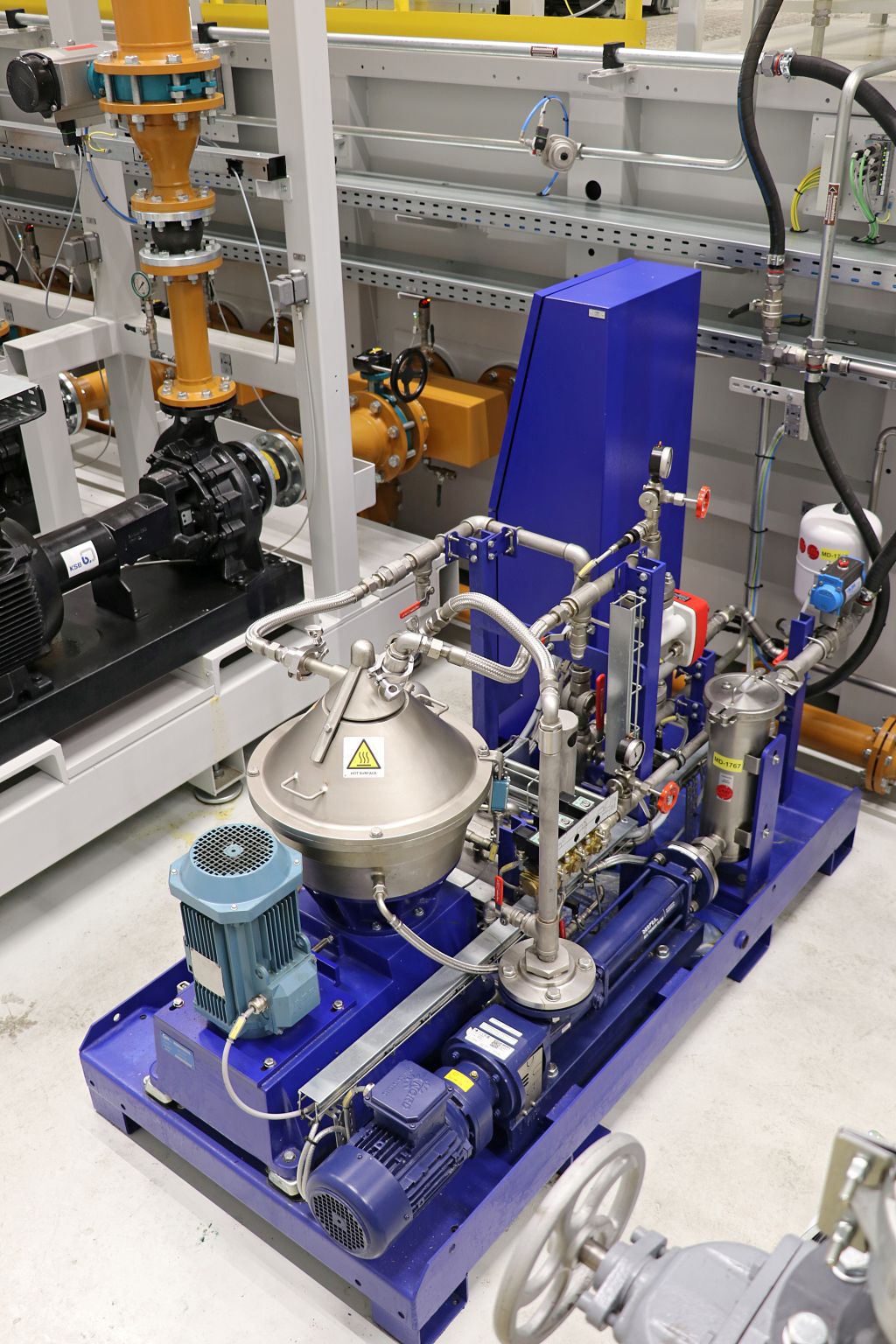
Extensive special equipment
To ensure the high quality of the KSS and the machined components in the long term, additional components are required. For example, a KNOLL vacuum filter VL1000 with a 20 µm filter fleece is installed, which cleans the backwashed medium. Also working for bath maintenance is a bypass-operated centrifugal separator. It prevents the accumulation of finest particles in the KSS. A downstream magnetic separator additionally removes pipeline wear from the KSS caused by the abrasive Inconel chips. Also present: a foreign oil separator that removes unwanted lubricant components.
Good maintenance pays off
Maintaining the KSS emulsion not only involves filtration; the composition must also be exactly right. Therefore, it is essential to take a sample once a week and analyze it in the laboratory. "Once for the entire manufacturing system," emphasizes Zeljko Leovac. "In decentralized KSS systems, a sample must be taken at each machine and adjusted if necessary. The central system saves a lot of maintenance effort in this regard."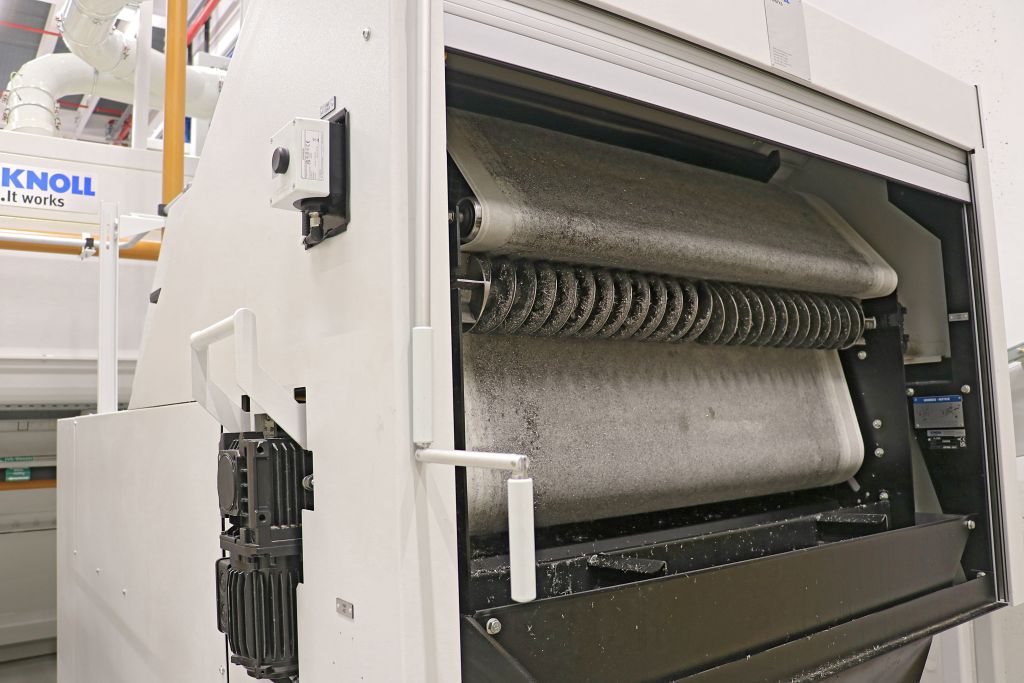
The replenishment of the coolant system is automated. Either city water or deionized water is dosed with added coolant concentrate. Other additives such as fungicides and defoamers can also be added automatically to keep the coolant stable. According to manufacturing expert Zeljko Leovac, this is extremely important to ensure that 'we can guarantee consistently high component quality.'
Container terminal for chip disposal
As mentioned at the beginning, machining the low-pressure turbine discs generates a large amount of chips. In the case of pure Inconel, this is not waste but a valuable raw material. Therefore, MTU cooperates with a recycling company that takes back the chips, melts them down, and makes them available again as raw material.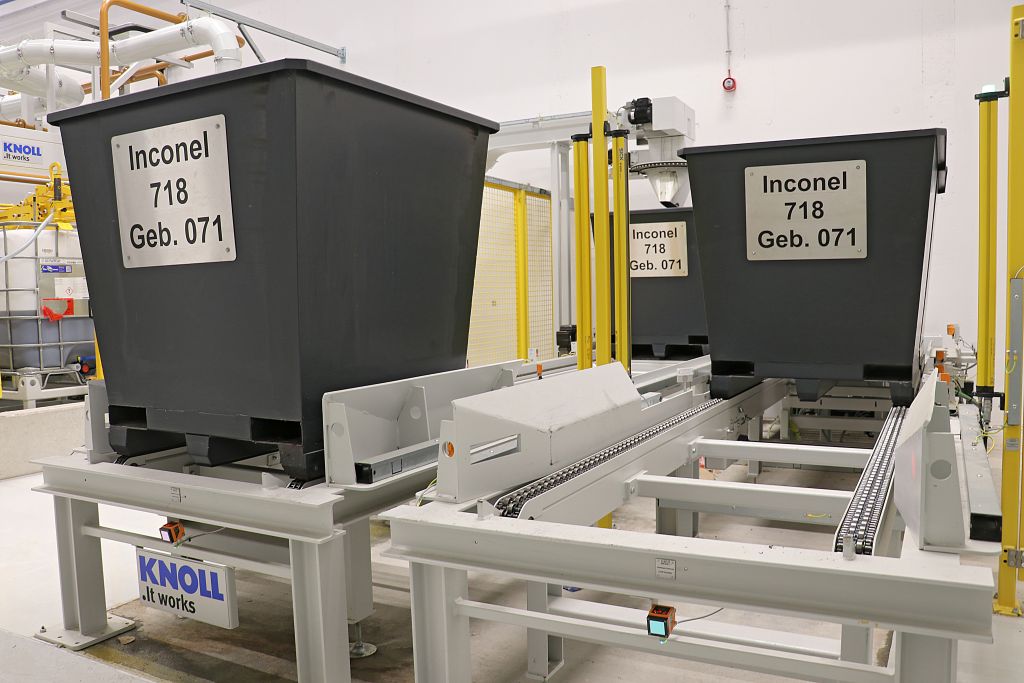
One of the tasks of the KNOLL plant planners was to ensure that the chips separated from the coolant system are automatically filled into special containers provided by MTU. Since the volume of one container is not sufficient for the 40 hours of unmanned weekend operation, a container terminal had to be realized where several containers can be automatically filled and buffered.
Automation
'Our experiences from previous projects were beneficial here,' mentions Gerhard Fink, the responsible regional sales manager at KNOLL. 'We also equipped the other two central systems at MTU with a similar station, which we further refined and adapted to the current conditions.' It was particularly challenging to make the task and retrieval station accessible for the forklift while maintaining safety distances in the confined space.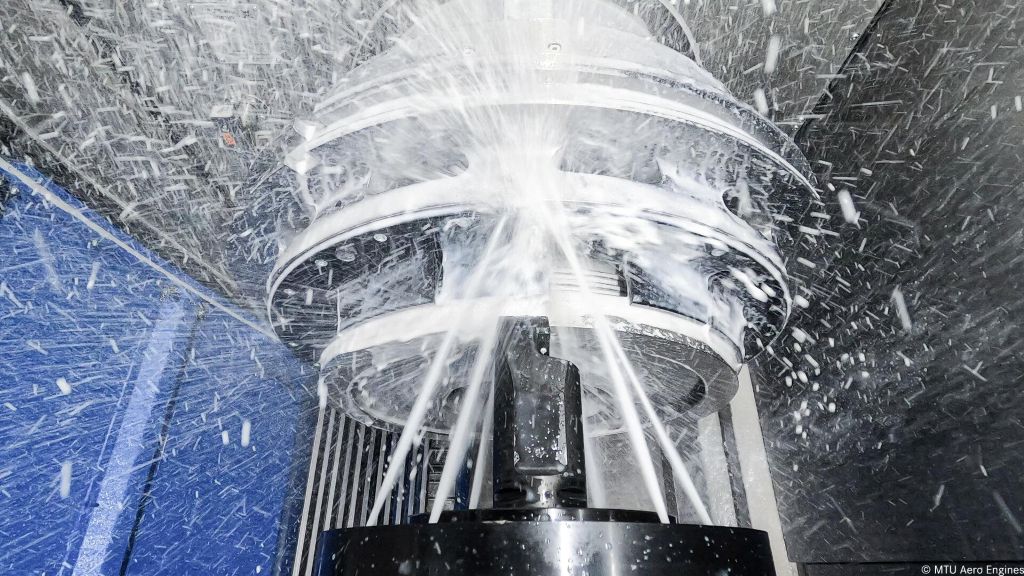
It was advantageous that the planning team could also rely on the expertise of the KNOLL automation department, which specializes in conveyor systems. Accordingly, the implemented solution is based on a congestion roller transport system developed by KNOLL, which provides space for up to seven containers (a buffer section for three full and three empty containers, as well as a space in the filling station).
Partnership on equal terms
From the design to the installation of the central coolant system and the container terminal – the collaboration between KNOLL and MTU was characterized by significant mutual commitment. All parties agree on that. 'KNOLL repeatedly responded to our wishes,' confirms Christina Braun. Lothar Schmid emphasizes that MTU quickly granted all necessary approvals and provided the required resources to implement the discussed solutions promptly. Zeljko Leovac is particularly pleased about a year without disruption in coolant supply: 'Since the filling, the system has been running smoothly. We greatly appreciate that.'
Contact: