
Critically looking back, hopefully looking forward – the Association of the German Turning Parts Industry analyzes the past year. The results of the situation report highlight the different challenges and show potential for long-term stabilization.
The Association of the German Turning Parts Industry surveys the general mood among its members every year, as well as figures and developments. The result is a situation report with information on order intake and revenue, but also on capacity utilization and personnel. A total of 46 companies with 8,338 employees participated in the survey for 2024.
The evaluation shows that the economic situation is more difficult than in the previous year. The revenue development is clearly negative at -7.4 percent for the first time, while in 2023 the value was +1.2 percent. Slightly lower material costs mean that the declines for adjusted revenue (excluding the influence of material costs) at -2.9 and value creation at -4.4 percent are somewhat more moderate.
Stable: Export Share and Order Reach
Order intake is still declining at -7.9 percent. This is the second consecutive year in which companies are struggling with a significantly decreasing order situation. Two bright spots: The export share is at 36.3 percent, roughly at the previous year's level. The average order reach also remains stable at 33.3 weeks, providing a certain level of planning security.
Two-thirds of the surveyed members report insufficient utilization of their production capacities. This situation has implications for employment: After several years of stable values, the number of jobs among the surveyed members has decreased by about 5 percent. Only 12 percent of companies plan to hire new employees in the near future, compared to 34 percent who reported a need for staff last year. An increasing share of companies has to resort to short-time work – 32 percent found themselves forced to use this measure by the end of 2024.
Regarding costs, the following picture emerges: Personnel costs are at 33.8 percent, higher than the previous year, which was at 31.8 percent. In contrast, material costs have slightly decreased and now account for 30.6 percent (2023: 32.8 percent) of revenue.
Perspectives Despite Challenges
Investments have decreased compared to the previous year, which is also reflected in the investment ratio. It remains at a very low level of 5.1 percent, staying significantly below average for the fifth consecutive year. At 8,870 euros, the recorded real expenses per employee are correspondingly low and well below the figures from the pre-crisis years. The surveyed members continue to invest the largest part of this capital primarily in production – the value is at 80 percent.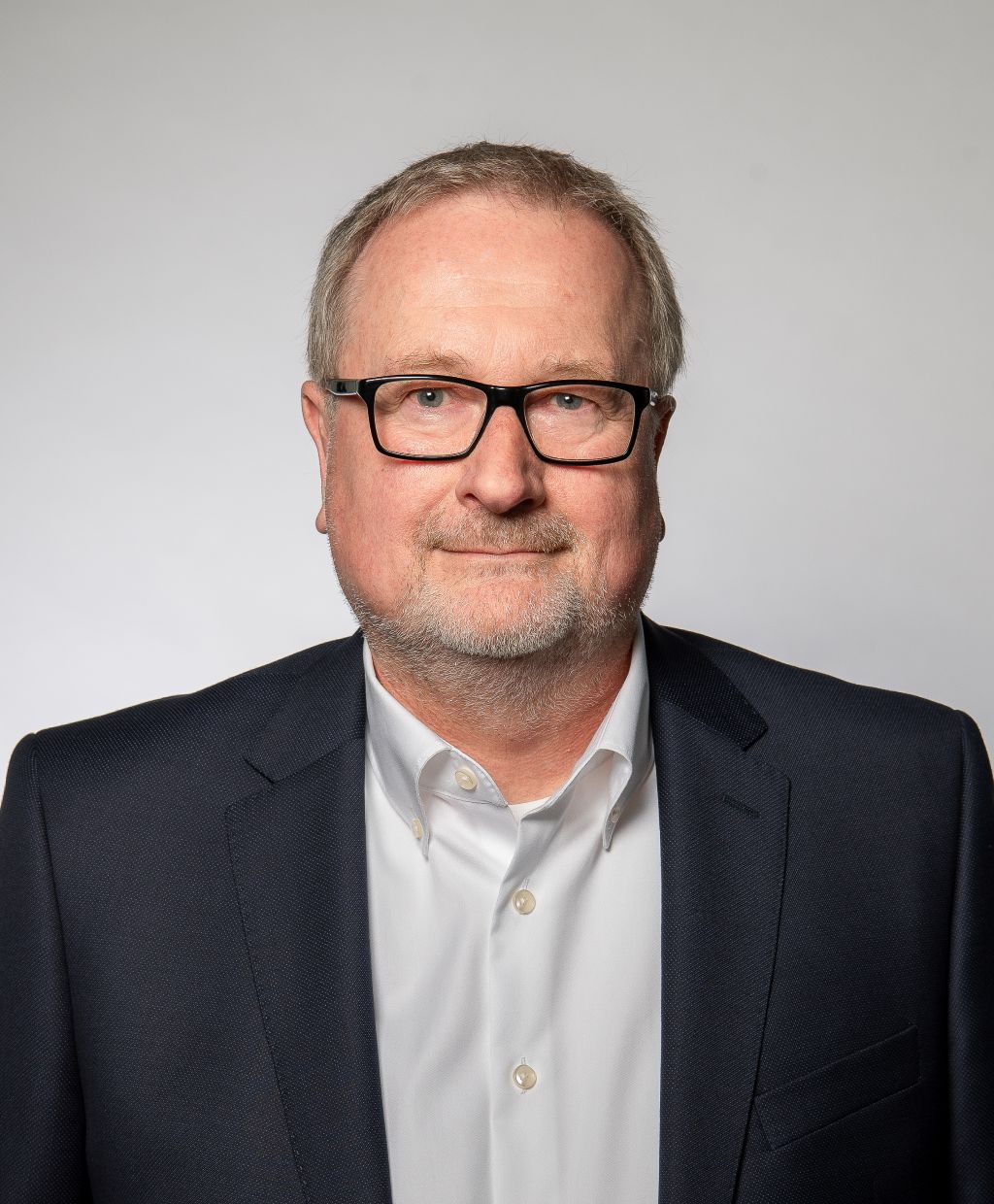
Regarding the outlook for 2025, those responsible remain cautious. While last year 58 percent were convinced that the economic situation would improve or at least remain stable, now only 7 percent believe in an upward trend. 39 percent expect a stable business development, and the remaining 54 percent anticipate that the situation will become even more difficult this year.
"We hope that the economic framework conditions do not deteriorate further in the coming months," emphasizes Association Managing Director Werner Liebmann. He knows that companies are facing significant difficulties but also sees perspectives for 2025: "Our members are innovative and are trying to position themselves better for the future. The still high export quota also offers potential to look forward with a bit more optimism in a challenging market environment."
Contact: