
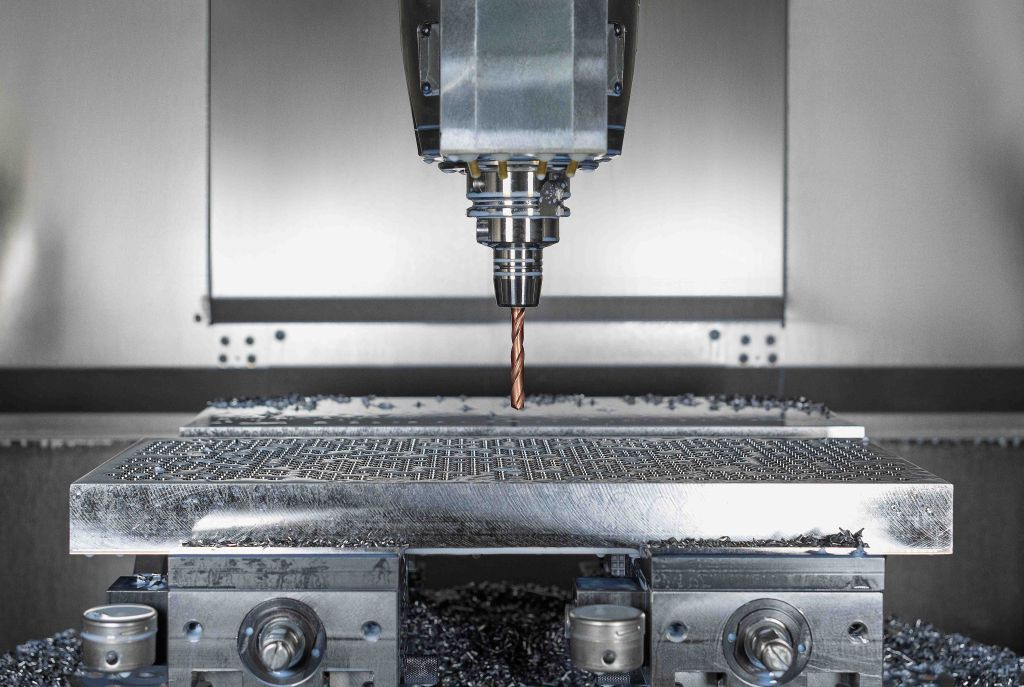
The target was ambitious: a tool life increase of at least 30 percent in various drilling applications. 'Our central approach was to consciously not start with the coating development,' explains Dr.-Ing. Ivan Iovkov, who significantly shaped the development of BALINIT OPTURA in the research & development department of Oerlikon Balzers. Instead, a robust testing methodology for drilling processes was developed over a year in a preliminary project. The goal was to achieve high comparability of results and a clear separation of influencing factors to obtain a reliable data basis for later development.
All tools, substrates, cutting edges, and micro-geometries were systematically characterized. The tests were designed for high-performance applications as well as moderate cutting values. Other focuses included targeted heat treatment and detailed material analysis. Each test plate was characterized by hardness and force measurements at defined positions to capture batch variations and material inhomogeneities. To balance their influence, the order of the drillings was randomized.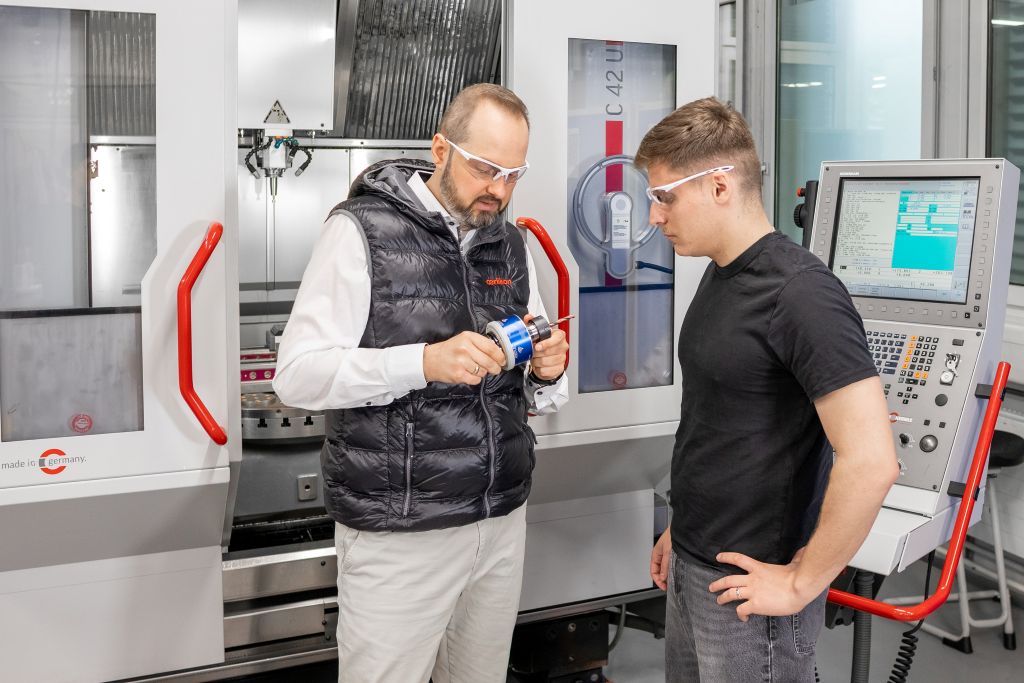
Advanced measurement technology and modern sensors helped capture feed forces and drilling moments throughout complete test series. The data provided valuable insights into wear development and the underlying mechanisms in the process. By using state-of-the-art hydro-expansion tool clamping technology, vibration-related influences could be reduced. The microscopy of wear development was partly automated, and the evaluation was data-based and partially supported by AI.
Coating design is based on wear mechanisms
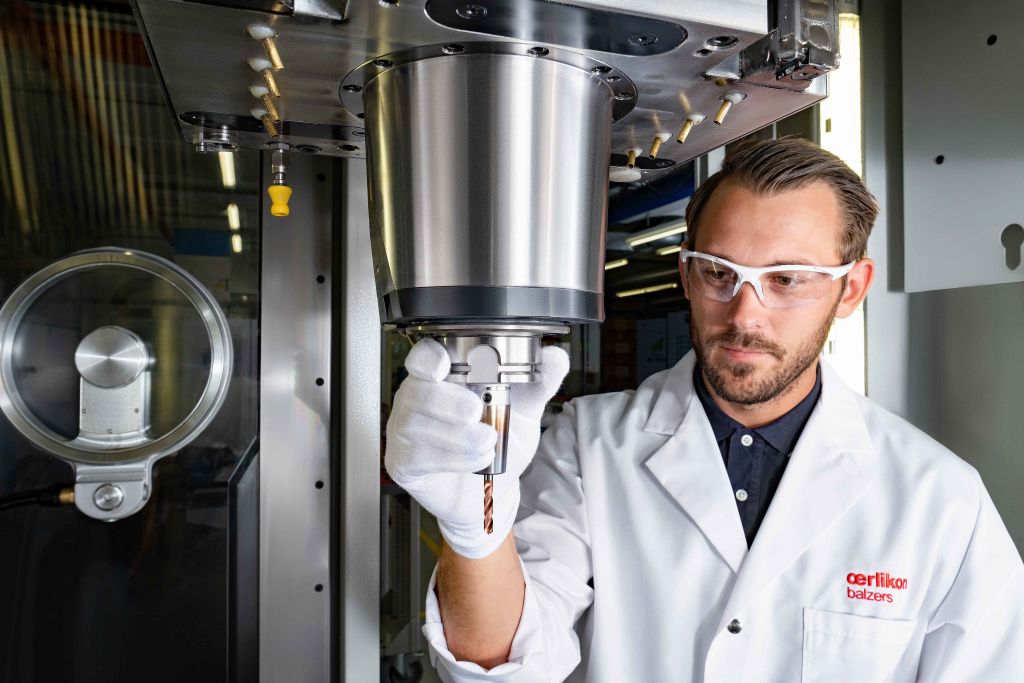
Based on the results of this systematic testing methodology, the new coating was specifically aligned with the real wear mechanisms. Instead of maximizing individual properties, the focus was on the optimal interaction in the process. While drilling in ferritic steels primarily involves adhesive and thermal loads, abrasive and impact stresses dominate in hardened steels and cast iron. The TiAlN-based multilayer coating system therefore combines high hot hardness with sufficient toughness and controlled ductility.
An important development step was the targeted reduction of residual stresses. This allows for greater coating thicknesses without increased chipping risk – an advantage especially for demanding drilling applications and reconditioned tools. The multilayer design also stabilizes the cutting edge and supports uniform wear as well as high process reliability.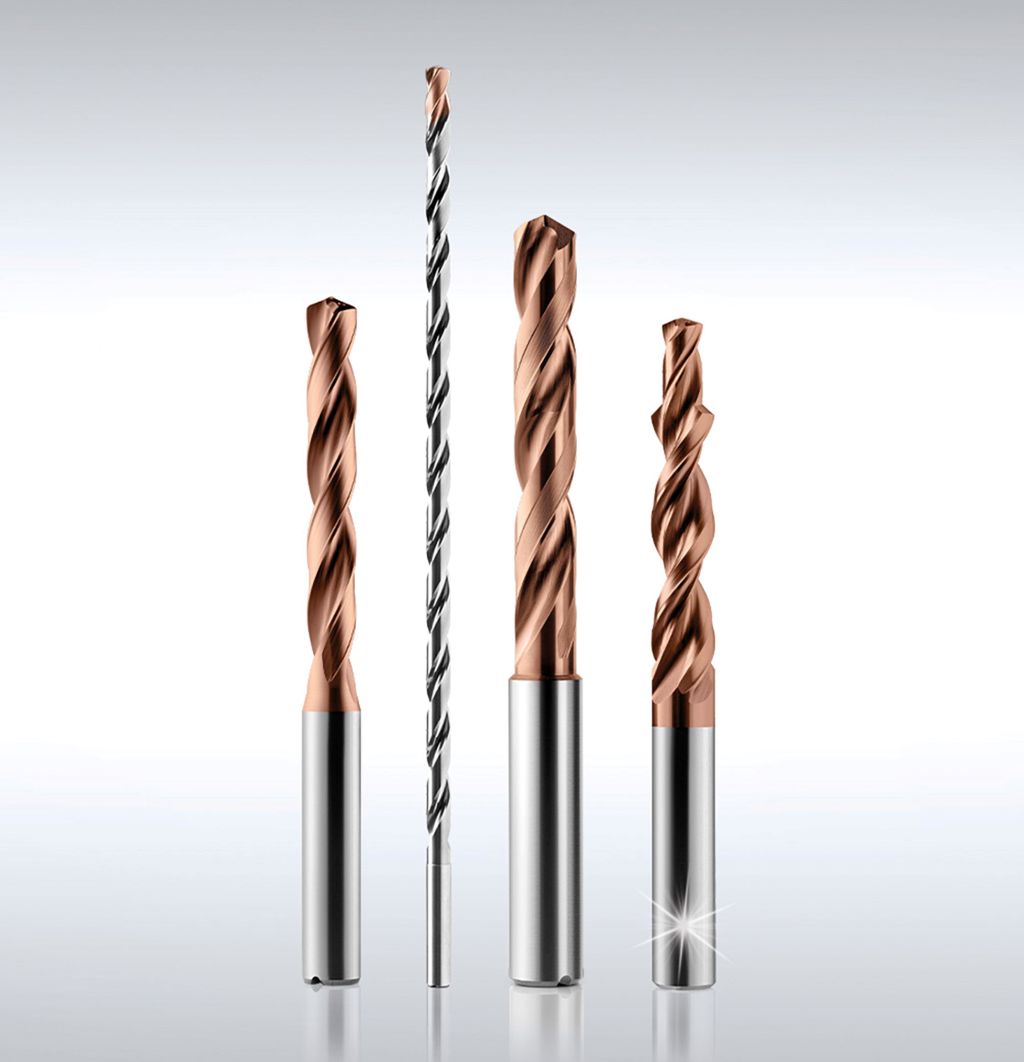
Validation in Industry
In its own machining laboratory, over 40 coating variants with more than 400,000 drillings were tested. Industry partners accompanied the development with practical tests and experiences. The results consistently showed significantly improved process stability and an average of over 50 percent higher tool lives compared to existing solutions.
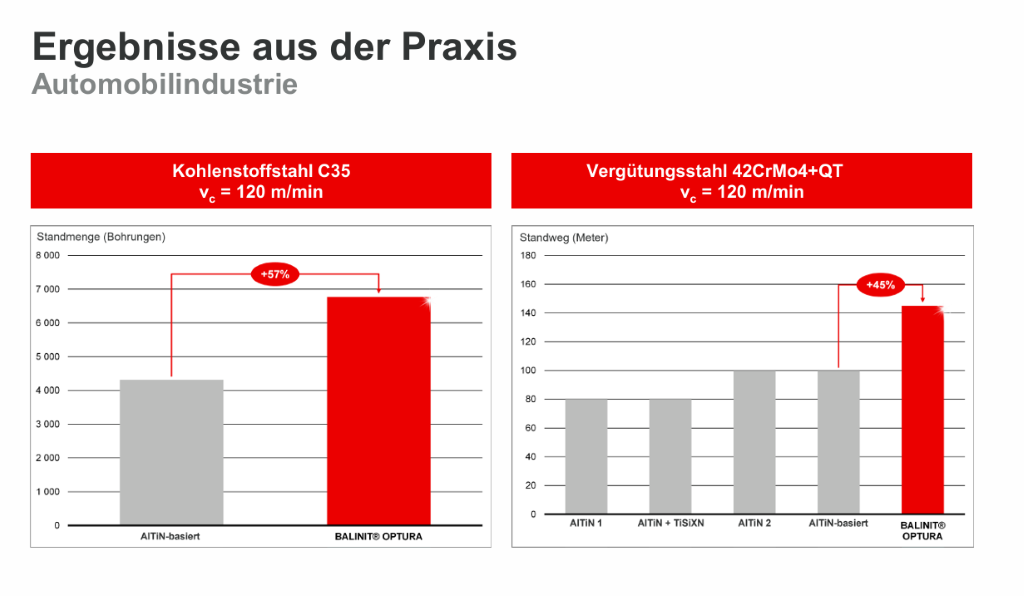
The performance capability of BALINIT OPTURA is evident not only in classic applications such as 42CrMo4+QT. In softer C35 steel, the number of drillings increased by around 57 percent compared to an AlTiN-based solution.
In high-strength steel, tool life improved by about 89 percent compared to a reconditioned carbide drill with double coating. When deep drilling in cast iron, the tool life increased by more than 80 percent compared to an AlTiN-based standard solution.
As a result, the coating supports longer tool lives, fewer tool changes, and more efficient reconditioning. 'The holistic development of BALINIT OPTURA shows that the targeted interplay of testing methodology, process understanding, material analysis, coating design, and industrial validation leads to convincing solutions that can set new benchmarks,' summarizes Dr.-Ing. Ivan Iovkov.
Contact: