
The autumn conference of the Association of German Turning Parts Industry once again demonstrated how the industry is addressing major challenges with constructive solutions. Many member companies describe their current situation as stable but tense. Instead of waiting, they are actively addressing pioneering topics such as skilled labor shortages, energy prices, digitalization, and lead-free materials.
This year, Kathrin Heinrichs, a board member of the Turning Parts Association, welcomed about 140 participants to the autumn conference. 'We are very much looking forward to the exchange and to good ideas, which are especially important in these currently challenging times,' emphasizes Heinrichs. The day before, 'Recruiting' was on the agenda in Munzingen near Freiburg – a topic that concerns all attendees. They received tips on how immigration can be strategically utilized to fill open positions. There were also practical strategies discussed for attracting regional skilled workers in difficult times. The Stuttgart Trade Fair also presented a new trade fair format with the 'Make-to-Order Days' (June 9 and 10, 2026), aimed at bringing manufacturing industry professionals into conversation.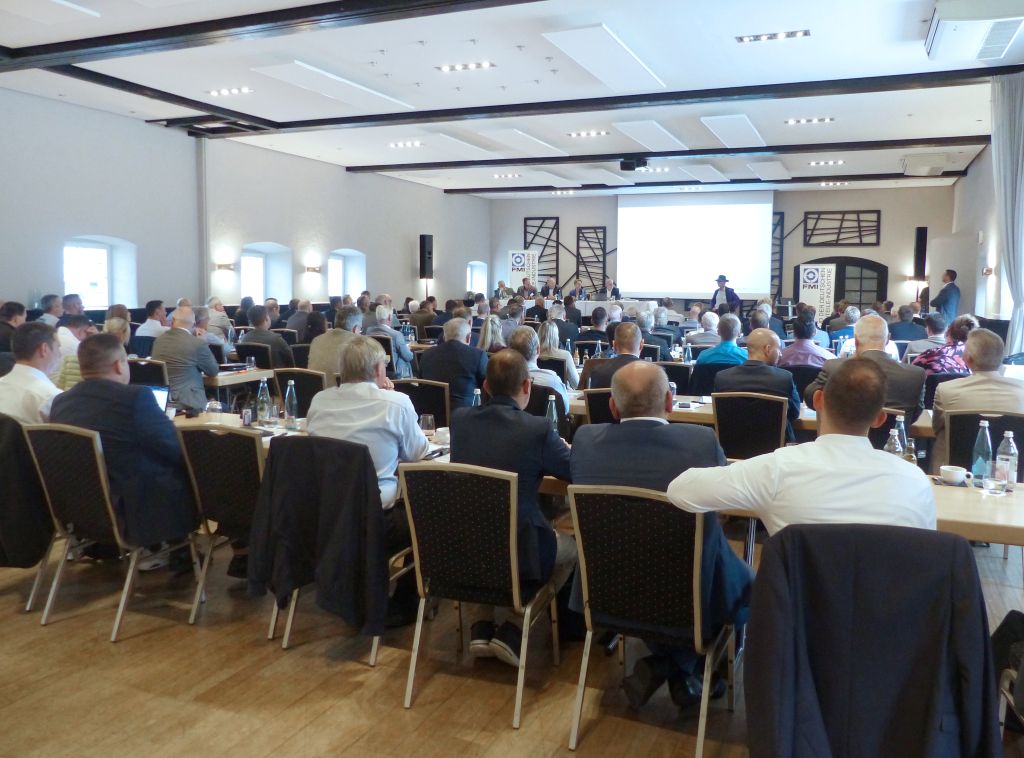
Between caution and optimism
The economic situation was initially the focus of the general meeting. Turning parts manufacturers assess the current situation as predominantly stable. They report revenues at last year's level and see a slightly positive trend in incoming orders, especially with regard to planned projects for the next year. Uncertainty is caused by postponed orders, the situation in the automotive industry, and price pressure from international competition.
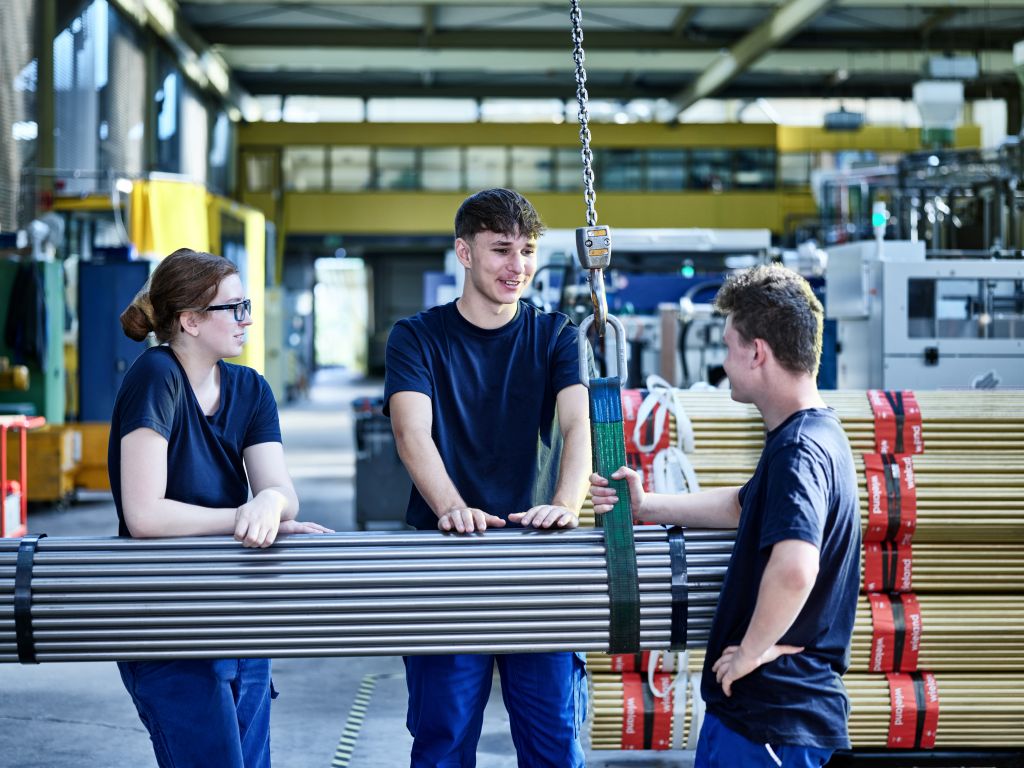
The skilled labor shortage remains a problem. Companies invest a lot of time and money in recruitment, training, and partnerships, but find it difficult to locate sufficiently qualified personnel. Structural challenges such as rising energy costs and the transition to lead-free materials also add to the difficulties. Respondents cite digitalization and IT security as strategic future topics, with a clear trend towards more complex, increasingly automated processes and systems.
Machine manufacturers are looking rather cautiously into the coming year. Although the figures are currently predominantly stable, investments remain hesitant, especially in Germany. They expect a real upswing no earlier than 2027. Companies in the tool sector are showing initial signs of recovery, driven by rising demand and new projects. Here too, members cite international competitiveness, energy prices, and labor shortages as triggers for the mixed situation.
Overall, the mood among turning parts manufacturers, machine builders, and tool specialists can be described as stable with slightly positive expectations. This was also confirmed by association managing director Werner Liebmann: 'The results of the situation report and the current business climate show an upward trend. This makes us look a bit more confidently into the future.'
Future topics in practice
The presentations delved deeply into technical topics, addressing trends and providing plenty of opportunities for discussion. Speakers from Gewatec explained how AI-based evaluations can meaningfully analyze and utilize production data. They demonstrated the AI chatbot from the software provider, which answers questions about manufacturing, assists with planning, and relieves employees. The speakers from Mikron explained the advantages of flexible manufacturing with transfer systems. Another focus was on strategies for machining difficult-to-cut materials, with a focus on process optimization, cooling technologies, and innovative drilling systems.
A joint presentation by Fanuc and Index showcased solutions on how automation can increase efficiency and quality. Digital twins, robotic cells, and the integration of measuring devices ensure seamless processes with high user comfort and precise control.
The speakers from Fluid Competence and Maier Precision Technology demonstrated that a completely mineral oil-free production of turning parts is possible. Conclusion: Innovative technical fluids can replace conventional lubricants, reduce operating costs, and improve the environmental balance.
Resource efficiency in machining and the potentials through the processing of pre-formed parts were the topic of the contribution from VHW-Metallpresswerk. This also sparked an animated discussion among participants.
New board, important impulses
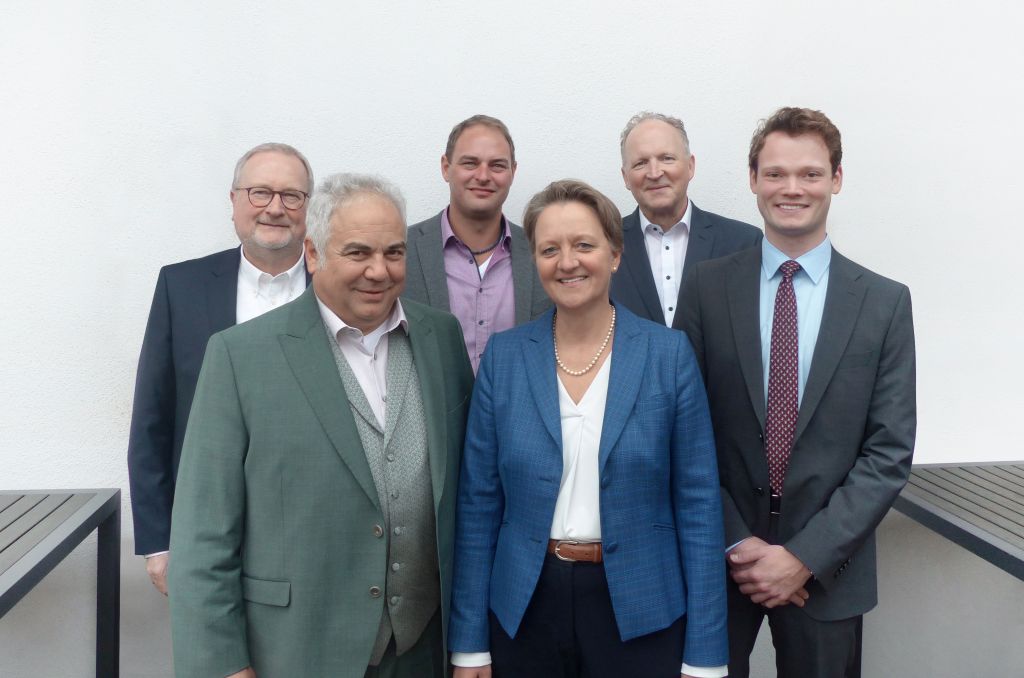
Another agenda item was the election of a new board member: All attendees voted for Julius Klinke. 'I am very pleased that I can now actively contribute my ideas for the industry in the board of the association,' says the young managing director of Julius Klinke GmbH & Co. KG, a manufacturer of turning and precision parts from Neuenrade.
Werner Liebmann took the floor again, pointing out the next SID Congress in 2027 and various services: from providing the CO₂ calculation tool FRED to a selection of training videos to the legal review of contracts. 'The high participation and positive feedback on our offerings show that we as an association are addressing the right topics,' summarizes Liebmann. 'This collaboration is our greatest strength.'
Contact: